
Schedule Appointment
Saving Teeth with Expert Endodontic Care
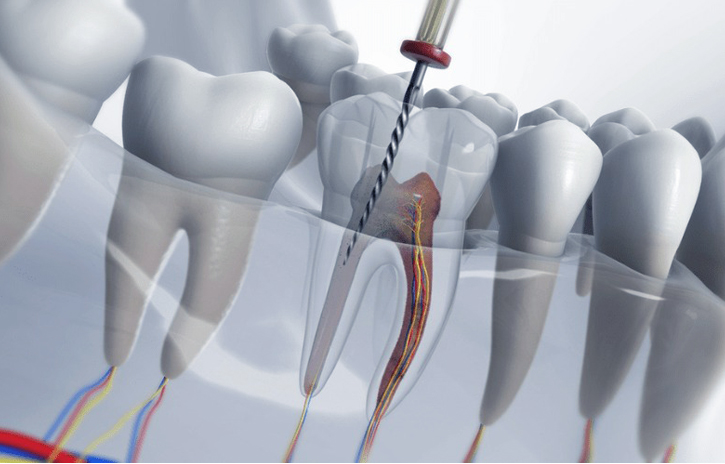
Teeth are made up of enamel, dentin, and pulp. If bacteria infect the pulp, it can cause intense pain. Root canal therapy can save the tooth and prevent oral health issues.
Indications For Root Canal Treatment
Below are some signs to watch out for that may indicate a tooth infection or abscess:
- I am suffering from a severe toothache.
- I am experiencing discomfort or inflammation in my jaw.
- I have extreme tooth sensitivity.
- I have noticed a gum bump that resembles a pimple.
- My gums are puffy, red, or swollen.
- I may have an unpleasant taste or smell in my mouth.
If you experience any of the symptoms mentioned and suspect a tooth infection, please contact our dental office in Mansfield immediately. Promptly addressing an infected root canal is crucial for your comfort, as well as your overall health, safety, and well-being.
What Occurs During A Root Canal Procedure?
Patients may feel anxious about getting a root canal, but there is no need to be scared, as it is not a frightening procedure. Our experience mansfield dentists use advanced 3-D cone-beam imaging to carefully plan your treatment, allowing them to visualize the tooth in three dimensions. This technology helps our dentists accurately evaluate the tooth's structure and customize the procedure to your specific needs. With the help of anesthesia and this innovative technology, patient comfort is greatly improved, leading to better overall outcomes. After the procedure, most patients feel significant relief.
Frequently Asked Questions
You may need a root canal if bacteria infect the inner pulp of your tooth. Common warning signs include severe toothache, jaw discomfort, extreme sensitivity, swollen gums, or a pimple-like bump on the gums. These symptoms can indicate infection and should be evaluated promptly.
During a root canal, the dentist removes the infected pulp, cleans the inside of the tooth, and seals it to prevent further infection. Advanced 3-D cone-beam imaging may be used to carefully plan the procedure and improve accuracy and comfort.
Root canal treatment is designed to relieve pain caused by infection, not create it. Local anesthesia is used to keep you comfortable during the procedure, and many patients feel significant relief once the infected tissue is removed.
Signs of a possible tooth infection include persistent tooth pain, swollen or red gums, sensitivity to hot or cold, jaw inflammation, or an unpleasant taste in your mouth. These symptoms often mean the tooth’s inner tissue is affected and may require treatment.
Yes. Root canal therapy is performed to remove infection while preserving your natural tooth structure. Treating the issue early helps prevent complications and supports long-term oral health and comfort.
