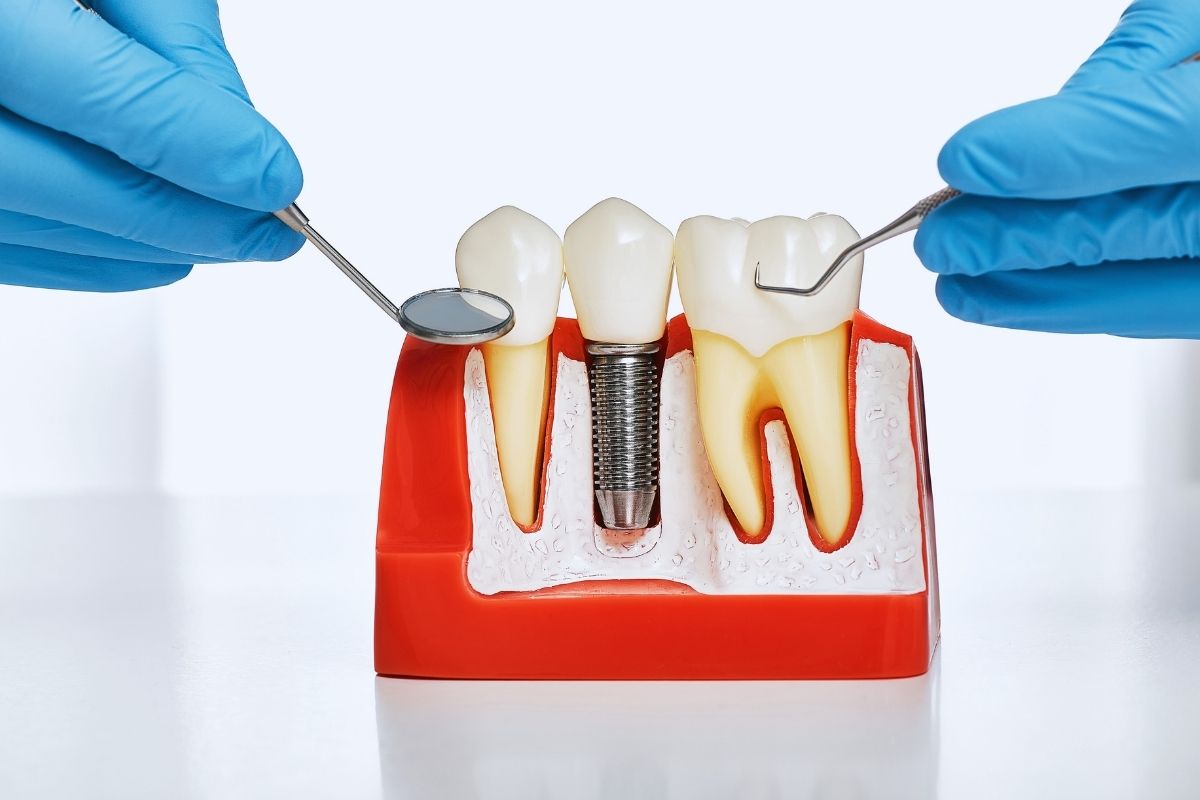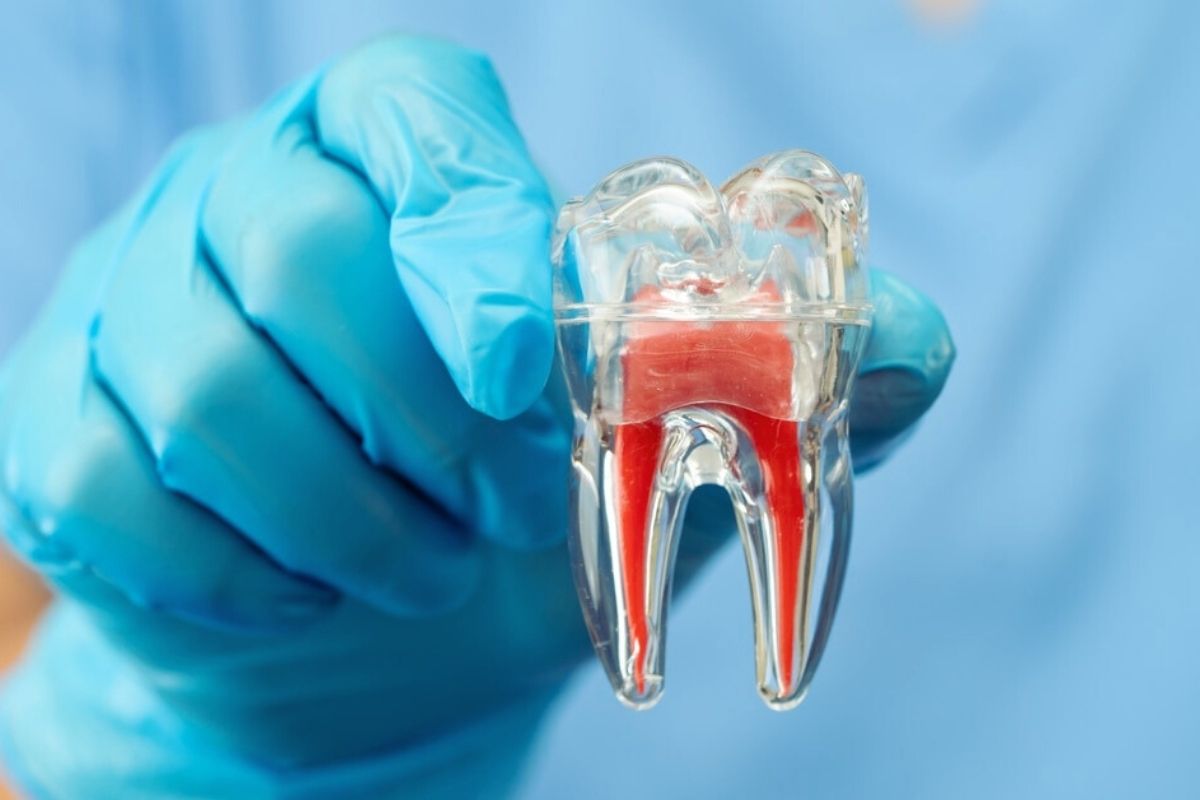
Amid the advancement of medical science, many are uncertain about the fact that tooth extraction is not the ultimate remedy. Tooth pain or severe dental issues often lead people to believe extraction is the only option. However, losing a natural tooth can significantly affect your smile, oral health, and confidence. Tooth extraction is necessary in extreme cases, like when an infection or decay severely damages the tooth.
However, many treatments can save your tooth and preserve its function. These alternatives focus on restoring your oral health while avoiding tooth extraction. From root canals to dental crowns, modern dentistry provides practical solutions for issues that may seem unsolvable.
In this blog, we will break the barrier by explaining how alternatives to tooth extractions work, the most popular options available, and why avoiding extraction might be the better choice.
How Alternatives To Tooth Extraction Can Help
Tooth-saving alternatives are beneficial for many reasons. Retaining your natural teeth preserves your bite and facial structure while maintaining a confident smile. Advanced dental treatments restore the health and function of your teeth, reducing the need for artificial replacements.
Alternatives also prevent potential complications associated with tooth extraction, such as bone loss in the jaw and shifting of adjacent teeth.
Moreover, modern procedures often cause less pain, have quicker recovery times, and provide long-term solutions to dental problems. By addressing the root issue without removing the tooth, these advanced treatments improve your overall oral health.
Types Of Alternatives For Tooth Extraction
Dentists have several effective dental procedures when saving a damaged tooth is the prime concern. Nonetheless, finding an experienced expert who can conduct the procedure without any complications is the real game. Here are some of the most popular alternatives the best dental surgeon can offer:
1. Root Canal Therapy
Root canals are a go-to solution for infected or decayed teeth. This procedure involves removing infected tissue from inside the tooth, disinfecting the area, and sealing it with a durable filling. Often paired with a crown, root canals restore functionality and prevent further decay.
2. Dental Crowns
Crowns are custom-made caps placed over damaged or weakened teeth to provide protection and restore their shape. They work best on teeth with extensive fillings, fissures, or root canal therapy.
3. Dental Bonding
Dental bonding is a technique that strengthens and repairs small chips or fissures in teeth by using a tooth-colored resin. It is a simple and cost-effective option for aesthetic and functional improvements.
4. Periodontal Treatments
Gum disease can loosen teeth, but deep cleaning (scaling and root planing) or periodontal surgery can stabilize them. These procedures treat the underlying issue, preventing tooth loss.
5. Orthodontic Solutions
Teeth misalignment can cause crowding or excessive pressure on your teeth. Braces or aligners can correct these issues, saving teeth from extraction.
Our professionals tailor each alternative as per your dental conditions, ensuring they preserve your smile with a personalized approach.
Why A Person Requires Tooth Extraction?
In some cases, a dentist cannot save the tooth, making extraction unavoidable. Also, an extraction is the last resort for your oral health. While dentists aim to save natural teeth whenever possible, there are situations where extraction becomes necessary. Understanding why this step might be required can help you make informed decisions about your dental health.
Here are the key reasons tooth extraction is sometimes inevitable:
- Severe Decay Or Damage: When decay reaches the pulp or your tooth cracks beyond repair, dentists may need to extract it. Preventing further infection or damage to the surrounding teeth and tissues becomes essential for the betterment of your oral health and prevents the need for additional treatments or complications.
- Advanced Gum Disease: Untreated, periodontal disease can lead to bone loss and tooth loosening to the point where extraction is required.
- Overcrowding: When preparing for braces or aligners, teeth may need removal to create proper alignment space.
- Impacted Teeth: Wisdom teeth often grow incorrectly, causing pain, swelling, or infection that disrupts oral health. In these situations, dentists recommend extraction to relieve discomfort and prevent further complications.
- Infections: When antibiotics or root canal therapy fail to eliminate a severe infection, the tooth may need to be removed to protect overall health.
Irrespective of the nature of solving immediate issues, dentists typically consider extraction the last resort.
Why Tooth Extraction Might Not Be A Good Option?
Opting for tooth extraction can solve immediate dental problems but often creates long-term challenges. Losing a natural tooth can have lasting effects on your oral health and overall well-being.
The causes are:
- Jawbone Deterioration: After removing a tooth, the lack of stimulation causes the underlying bone to shrink.
- Misaligned Teeth: Adjacent teeth can shift into the gap left by an extraction, leading to bite problems.
- Higher Costs In The Long Run: Replacing missing teeth with implants or bridges can be more expensive than saving the tooth initially.
- Functional Issues: A missing tooth can make eating and speaking difficult, affecting your quality of life.
- Aesthetic Concerns: A gap in your smile can impact your confidence and self-esteem.
By preserving your natural teeth with tooth extractions alternatives, you can avoid these complications and maintain optimal oral health, ensuring your smile remains strong and functional for years.
Modern dentistry emphasizes preserving natural teeth whenever possible. Whether through root canals, crowns, or orthodontic treatments, a skilled professional can provide solutions tailored to your needs. If you are considering your options or need expert advice, visit a trusted dentist in Mansfield. They can assess your condition and recommend the best action to keep your smile healthy and intact.