Your teeth play an important role in everyday activities, from eating your favorite foods to speaking clearly and smiling confidently. However, cavities, injuries, gum problems, and everyday wear can gradually affect their health and function. When these issues become more serious, restorative dental care may help repair damaged teeth and replace missing ones.
The good news is that losing a tooth or developing significant dental damage does not always mean you have to live with discomfort or changes to your smile. Restorative dentistry in Corsicana offers different treatment approaches to address dental concerns, improve chewing function, and help protect your remaining natural teeth. Understanding the available options can help you recognize when it may be time to schedule a dental evaluation.
At Picasso Dental & Orthodontics, patients can explore personalized solutions based on their dental health, treatment needs, and smile goals.
Quick Answer: When Might You Need Restorative Dentistry?
You may need restorative dental treatment if you have untreated cavities, cracked or broken teeth, failing fillings, missing teeth, extensive tooth wear, or infection inside a tooth. Depending on the condition, a dentist may recommend fillings, crowns, bridges, dentures, or root canal therapy to restore tooth function and protect oral health.
1. Tooth Decay and Large Cavities
Tooth decay is one of the most common dental problems. It develops when bacteria in dental plaque produce acids that gradually damage tooth enamel. Without treatment, decay can progress into deeper layers of the tooth.
Small cavities may be repaired with dental fillings. However, when decay affects a larger portion of the tooth, a filling alone may not provide enough support.
Possible restorative treatments:
- Tooth-colored fillings for smaller areas of decay.
- Dental crowns when extensive damage requires additional protection.
- Root canal therapy if decay reaches the tooth’s pulp.
Early evaluation can help prevent a relatively small cavity from developing into a more complicated dental problem.
2. Cracked, Chipped, or Broken Teeth
A tooth can crack, chip, or break because of an accident, biting down on something hard, teeth grinding, or weakened tooth structure. Even a small fracture deserves attention because damage may extend deeper than what is visible.
Symptoms can include pain when chewing, sensitivity to hot or cold foods, or discomfort when releasing your bite. Some cracks may cause no noticeable symptoms initially.
Depending on the location and severity of the damage, treatment may include:
- Dental bonding for certain minor chips.
- A dental crown to protect a weakened or significantly damaged tooth.
- Root canal treatment if the inner pulp becomes affected.
The sooner a damaged tooth is evaluated, the better the opportunity to determine an appropriate treatment plan.
3. Missing Teeth
Missing teeth can affect more than the appearance of your smile. Gaps may make chewing difficult, influence speech, and allow neighboring teeth to shift over time. Tooth loss can also contribute to changes in the jawbone.
Fortunately, several restorative options can replace missing teeth.
Common replacement options include:
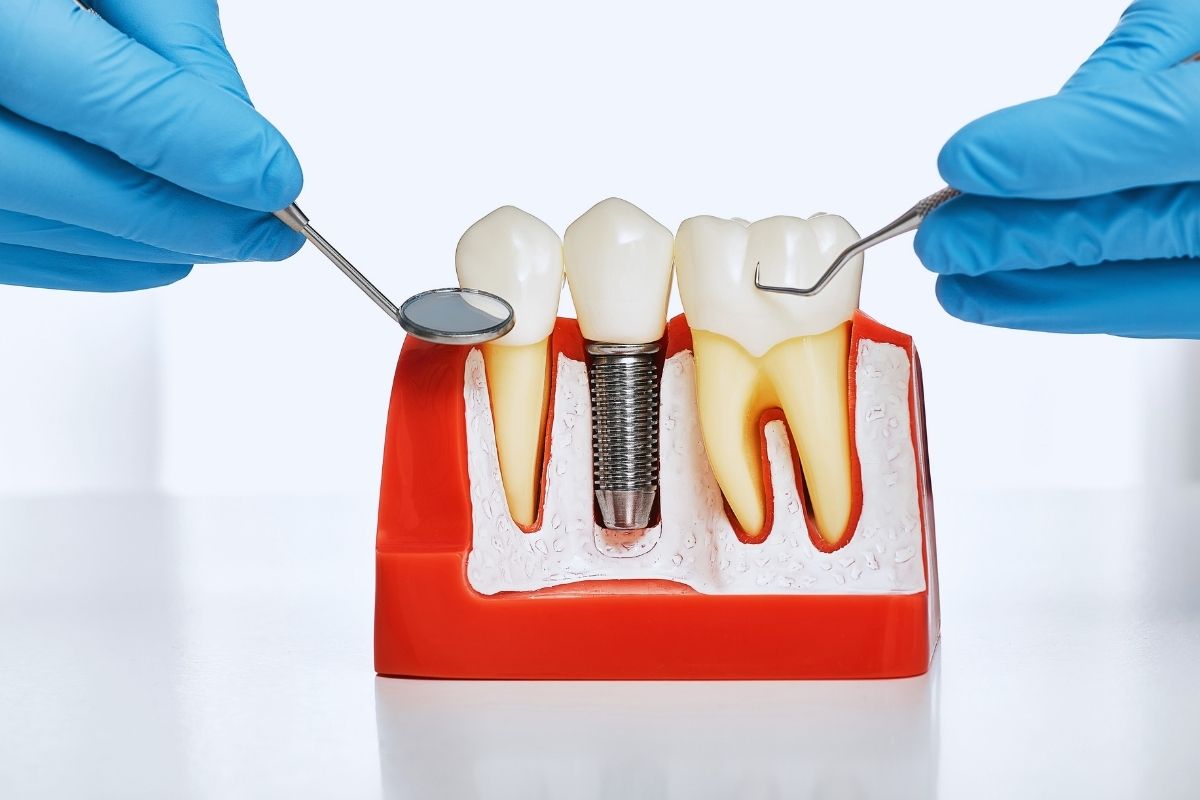
- Dental bridges: Replace one or more missing teeth by using neighboring teeth for support.
- Dentures: Removable appliances that replace several missing teeth or an entire arch.
- Dental implants: Surgically placed posts that support replacement teeth and help restore chewing function.
The right option depends on factors such as the number of missing teeth, surrounding tooth health, bone support, and personal preferences.
4. Old, Loose, or Damaged Dental Fillings
Dental fillings are designed to repair cavities, but they do not last forever. Normal chewing forces, wear, and changes in the surrounding tooth structure can cause an existing filling to crack, loosen, or deteriorate.
A damaged filling may expose the underlying tooth to bacteria and increase the risk of additional decay.
Your dentist may recommend replacing the filling if the damage is limited. If a substantial amount of tooth structure has weakened, a crown may provide better protection.
Watch for sensitivity, rough edges, discomfort when biting, or a filling that feels loose. These symptoms deserve professional evaluation rather than waiting for the filling to fall out.
5. Infected Tooth Pulp
Inside each tooth is a soft tissue called the pulp, which contains nerves and blood vessels. Deep decay, cracks, or dental injuries can allow bacteria to reach this area and cause inflammation or infection.
Possible warning signs include persistent toothache, sensitivity to temperature, swelling around the tooth, and pain when chewing. However, symptoms vary, and only a dental examination can determine the cause.
Root canal therapy may be recommended when the pulp is infected or irreversibly damaged. During treatment, the affected pulp is removed, the inside of the tooth is cleaned, and the space is sealed. A crown may also be recommended to protect the remaining tooth structure.
In many cases, root canal treatment can help preserve a natural tooth rather than removing it.
6. Severely Worn-Down Teeth
Teeth naturally experience some wear over time, but excessive wear can create dental problems. Grinding or clenching, acidic foods and drinks, and certain bite-related issues may contribute to the loss of tooth structure.
Worn teeth may become shorter, flatter, sensitive, or more vulnerable to fractures. Severe wear can also affect how your upper and lower teeth come together.
Depending on the underlying cause and amount of damage, treatment may include dental crowns or other restorative approaches. Your dentist may also recommend addressing teeth grinding to help prevent further damage.
7. Extensive Tooth Damage After Dental Injury
Accidents, sports injuries, and unexpected falls can cause significant damage to one or more teeth. Depending on the injury, a tooth may become fractured, displaced, or completely knocked out.
The appropriate treatment depends on the extent of the damage and whether the tooth can be preserved.
A dental crown may restore a damaged tooth, while root canal treatment may be necessary if the pulp is affected. In situations where a tooth cannot be saved, extraction followed by a suitable replacement option may be considered.
Important: A knocked-out permanent tooth requires urgent dental attention. Handle it carefully by the crown rather than the root, and seek immediate professional guidance. Do not delay care while waiting for symptoms to develop.
How Do You Know Which Restorative Treatment Is Right for You?
Not every dental problem requires the same solution. Two patients with similar symptoms may need different treatments depending on their dental history and the condition of their teeth.
A dental evaluation may include:
- Reviewing your dental and medical history.
- Examining your teeth and gums.
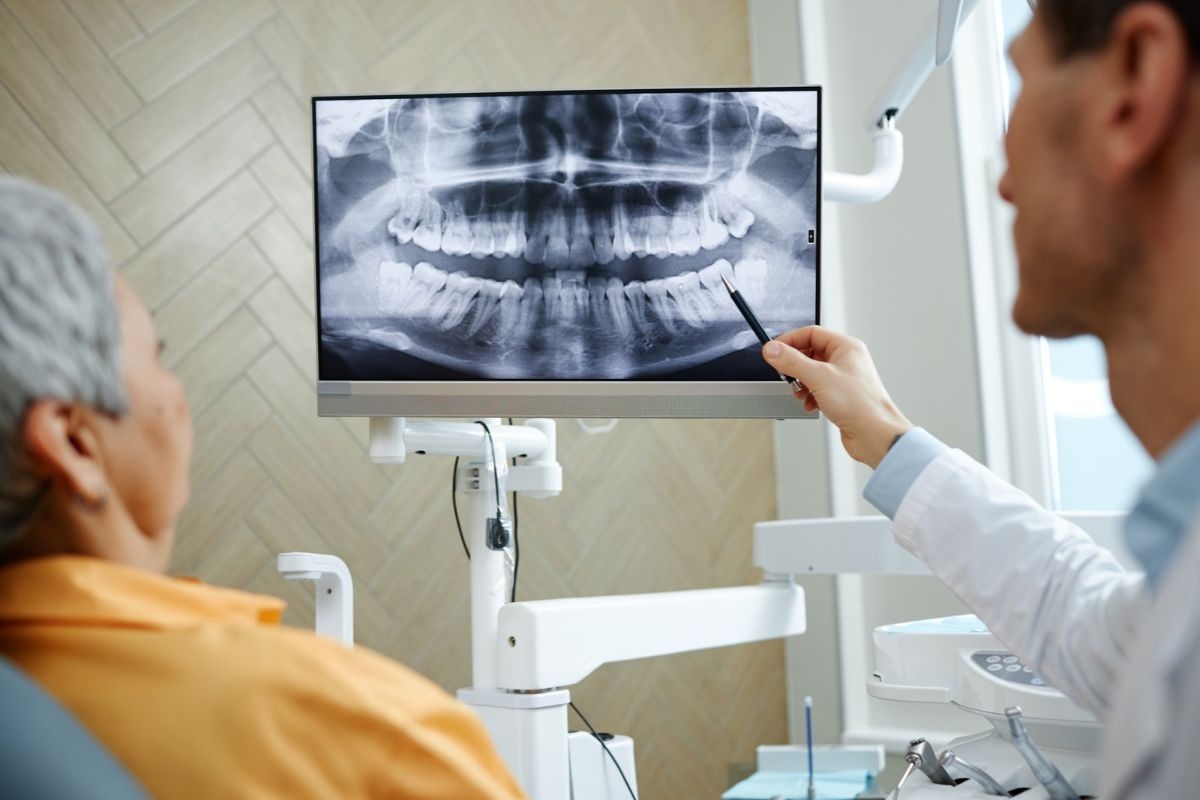
- Taking dental X-rays when clinically appropriate.
- Assessing tooth structure, bite alignment, and existing restorations.
- Discussing suitable treatment options and expected costs.
If you want to understand the available options in more detail, explore our guide to different types of restorative dental procedures.
At Picasso Dental & Orthodontics, the Corsicana team offers restorative options that include dentures, bridges, crowns, and root canal treatment. Recommendations are based on an evaluation of each patient’s needs.
Restorative Dentistry in Corsicana: Take the Next Step
Ignoring a damaged, painful, or missing tooth can allow certain dental problems to become more complicated. Seeking professional advice early can help you understand what is happening and which treatment options may be appropriate.
Picasso Dental & Orthodontics welcomes patients seeking restorative dental care in Corsicana, TX. Whether you are dealing with a cavity, a damaged tooth, or missing teeth, the team can evaluate your concerns and discuss possible ways to restore your smile.
You can also explore patient reviews and practice updates on Google to learn more about the practice.
Ready to address a dental concern? Contact Picasso Dental & Orthodontics at (903) 229-4573 or visit the office at 3811 West Highway 31, #801, Corsicana, TX 75110, to schedule an appointment.
Frequently Asked Questions
1. What is the main purpose of restorative dentistry?
The primary purpose of restorative dentistry is to repair damaged or decayed teeth and replace missing teeth. These treatments help restore chewing ability, protect remaining tooth structure, and improve overall oral function.
2. What are the most common restorative dental procedures?
Common procedures include tooth-colored fillings, dental crowns, bridges, dentures, and root canal therapy. Dental implants may also be used to replace missing teeth. The appropriate treatment depends on the patient’s dental condition.
3. Can restorative dentistry save a badly damaged tooth?
In some cases, yes. A dental crown or root canal treatment may help preserve a badly damaged tooth if enough healthy structure remains. However, if the damage is too extensive, extraction may be necessary.
4. Is restorative dentistry only for older adults?
No. Restorative dental treatment can benefit patients of different ages. Children, teenagers, adults, and seniors may need treatment for cavities, injuries, damaged teeth, or tooth loss.
5. When should I see a dentist about a damaged tooth?
You should arrange a dental evaluation if you notice a crack, persistent sensitivity, pain when chewing, a damaged filling, or a missing tooth. Severe pain, facial swelling, or a knocked-out permanent tooth requires urgent professional attention.