Missing teeth can affect more than just your smile. They may impact the way you eat, speak, and feel about your appearance. Many patients looking for long-term tooth replacement solutions often ask whether smoking can interfere with implant treatment. If you are researching dental implants in Mansfield or nearby communities such as Arlington, Midlothian, or Burleson, understanding the connection between smoking and healing is important before starting treatment.
Dental implants are designed to function like natural teeth and can provide long-lasting stability. However, smoking introduces additional risks that may affect the success of the procedure and the healing process afterward. Learning these risks can help patients make informed decisions about their oral health.
Why Healing Matters After Tooth Replacement Surgery
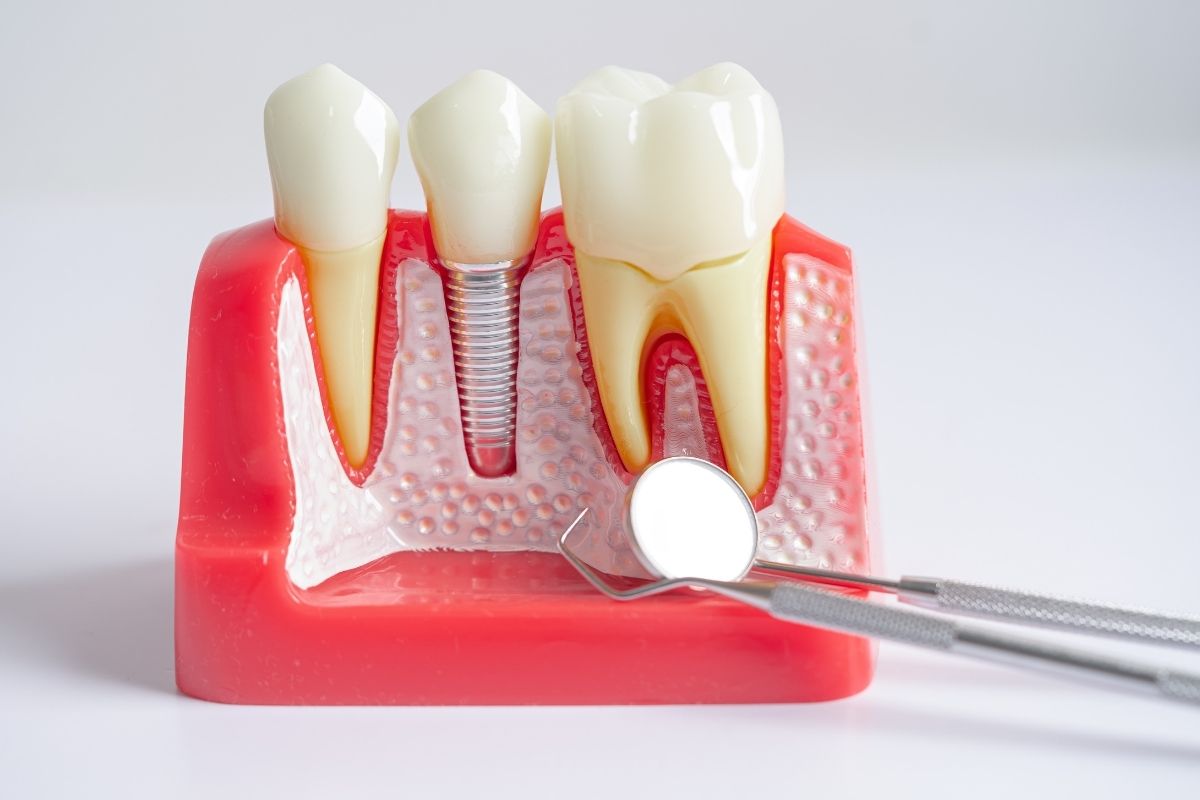
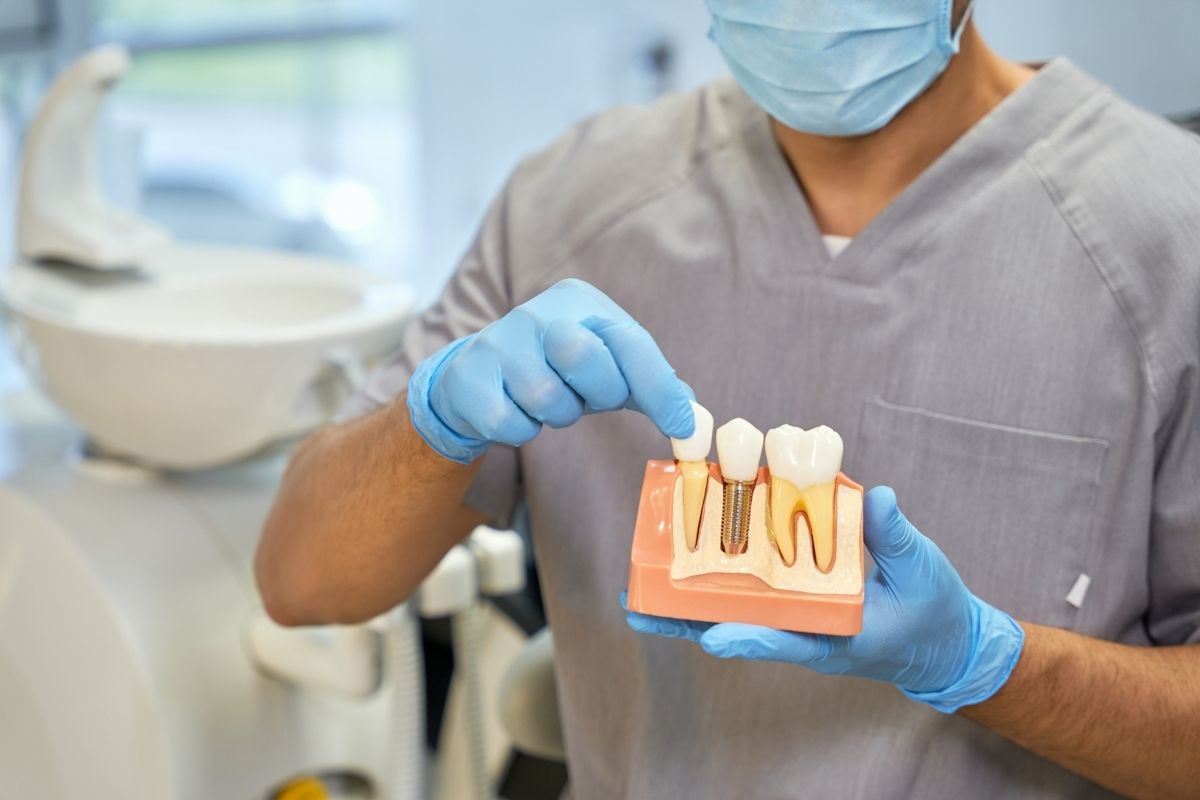
Dental implant treatment involves placing a small titanium post into the jawbone to support a replacement tooth. After placement, the implant must bond naturally with the surrounding bone through a process called osseointegration. This healing phase is essential because it creates the strong foundation needed for long-term success.
Smoking can slow this process significantly. Nicotine reduces blood circulation, limiting the oxygen and nutrients that gum tissue and bone need to recover properly. When healing is delayed, the implant may struggle to integrate fully with the jawbone.
Patients who smoke may also experience increased inflammation and irritation in the mouth during recovery. This can make healing less predictable and increase the chance of complications.
The Link Between Tobacco Use and Implant Failure
Research has consistently shown that smokers face a greater risk of implant complications compared to non-smokers. Tobacco products can weaken the body’s immune response, making it harder to fight bacteria and infection around the implant site.
Some common concerns associated with smoking after implant placement include:
- Delayed healing of gum tissue
- Increased risk of infection
- Bone loss around the implant
- Gum inflammation and irritation
- Higher likelihood of implant loosening over time
In some cases, smoking may contribute to peri-implantitis, a condition similar to gum disease that affects the tissue and bone surrounding an implant. Without treatment, this condition can lead to implant failure.
According to the American Dental Association, maintaining healthy gums and bone support is critical for long-term implant success.
Can Smokers Still Be Candidates for Treatment?
Yes, many smokers can still qualify for implant procedures. However, dentists typically evaluate several factors before recommending treatment. These may include overall oral health, gum condition, bone density, and smoking habits.
Patients who smoke heavily may require additional planning before surgery. In some situations, dentists may recommend reducing or stopping tobacco use temporarily to improve healing conditions. Even short-term changes can positively affect recovery and reduce complications.
For individuals who are unable to quit completely, maintaining excellent oral hygiene and attending regular dental visits becomes even more important.
Warning Signs Patients Should Never Ignore
After implant placement, it is important to monitor healing carefully. While mild discomfort and swelling are normal initially, certain symptoms may indicate a problem.
Potential warning signs include:
- Persistent pain that worsens over time
- Swollen or bleeding gums near the implant
- A loose feeling around the replacement tooth
- Difficulty chewing comfortably
- Unpleasant taste or discharge near the area
Early treatment can often prevent more serious complications. Patients who smoke should be especially attentive to these symptoms because healing challenges may develop more gradually.
Habits That Can Improve Implant Success
Even if you smoke, there are several practical ways to improve the chances of successful healing and long-term stability.
Reduce Smoking Before and After Surgery
Many dental professionals recommend avoiding cigarettes for at least several weeks before and after implant placement. This temporary break allows the body to heal more effectively during the critical recovery period.
Focus on Daily Oral Hygiene
Proper brushing and flossing are essential for preventing bacterial buildup around implants. Patients should clean carefully around the gumline and follow all home care instructions provided by their dentist.
Keep Routine Dental Appointments
Regular exams allow dentists to monitor healing progress and identify potential concerns early. Professional cleanings also help reduce plaque and inflammation that may threaten implant stability.
Maintain Healthy Lifestyle Choices
A balanced diet, hydration, and proper sleep can support the body’s natural healing response. Reducing alcohol intake and managing medical conditions such as diabetes may also improve outcomes.
For many patients, dental implants remain a reliable and natural-looking option despite smoking-related risks. The key is understanding the added challenges and taking steps to support healing.
Are Vaping and Other Tobacco Products Safer?
Some patients assume vaping or smokeless tobacco products are less harmful than cigarettes during implant recovery. However, these products may still expose oral tissues to nicotine and chemicals that interfere with healing.
Vaping devices can contribute to dry mouth and gum irritation, while chewing tobacco may increase bacterial buildup and tissue inflammation. Because of these effects, dentists often recommend limiting or avoiding all nicotine products during the healing phase.
Being honest about tobacco or vaping habits helps dental professionals create a safer treatment plan tailored to each patient’s needs.
Long-Term Care Makes a Difference
Once implants have healed successfully, long-term maintenance becomes essential. Smokers may need more frequent cleanings and gum evaluations to help protect the surrounding tissue and bone.
Good long-term habits include:
- Brushing twice daily with a soft-bristle toothbrush
- Flossing carefully around implants
- Using dentist-recommended mouth rinses
- Avoiding excessive tobacco use
- Scheduling regular professional cleanings
With proper care, many patients continue enjoying healthy, functional implants for years.
Conclusion
Smoking does not automatically prevent someone from receiving implant treatment, but it can increase the risk of healing complications and implant failure. Understanding how tobacco affects gum tissue, bone health, and recovery can help patients make informed decisions about their oral health. By improving oral hygiene, attending regular dental visits, and reducing smoking during recovery, patients can improve their chances of successful treatment outcomes.
If you are considering tooth replacement options and want personalized guidance, contact Picasso Dental & Orthodontics in Mansfield to schedule an appointment and learn more about the best solutions for your smile and long-term dental health.