Losing a tooth can affect much more than your smile. It may change the way you eat, speak, and feel about your appearance. Many people in Mansfield and nearby communities like Arlington, Midlothian, and Burleson wonder whether there is a “right” age to replace missing teeth. The good news is that age alone is rarely the deciding factor. For many adults considering dental implants in Mansfield, the best time often depends on overall oral health, jaw development, and long-term dental goals. Understanding how age affects implant success can help patients make informed decisions and feel more confident about restoring their smiles.
Why Timing Matters More Than Age
When people think about tooth replacement, they often focus on age first. However, dentists usually look at several other factors before recommending treatment. Jawbone health, gum condition, healing ability, and lifestyle habits all play a role in long-term success.
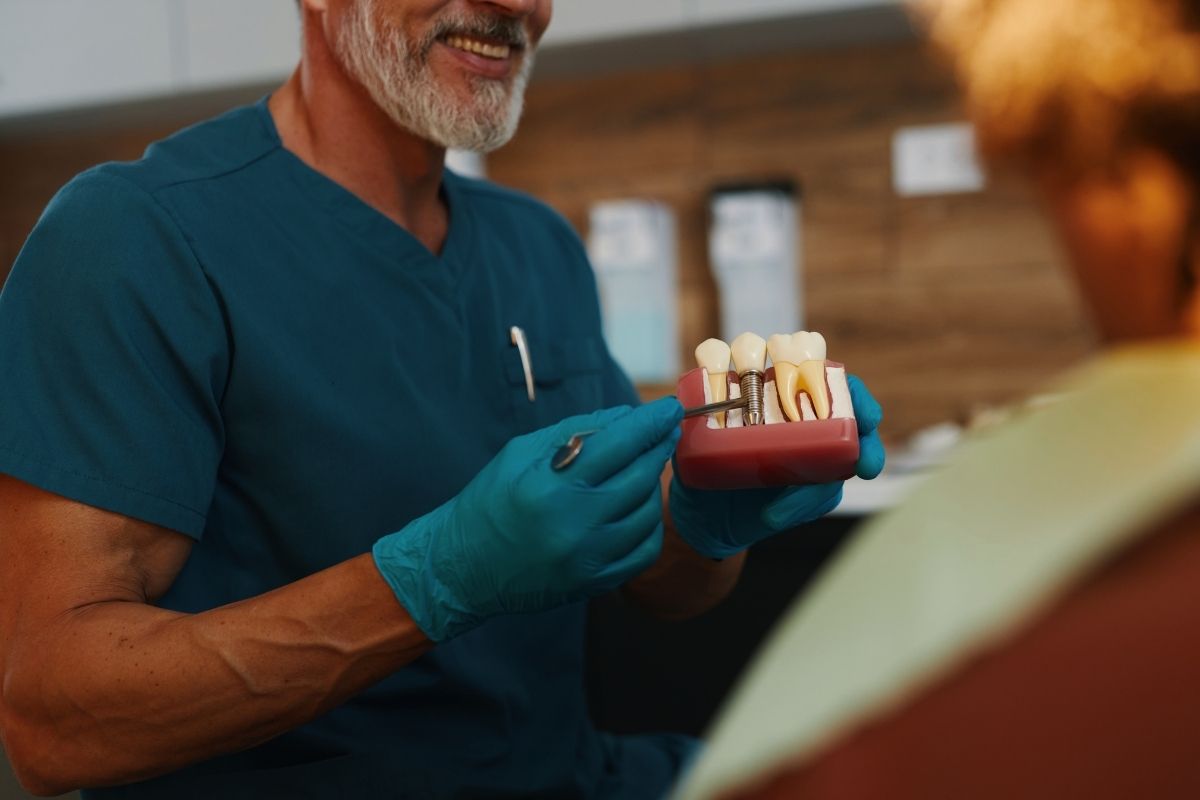
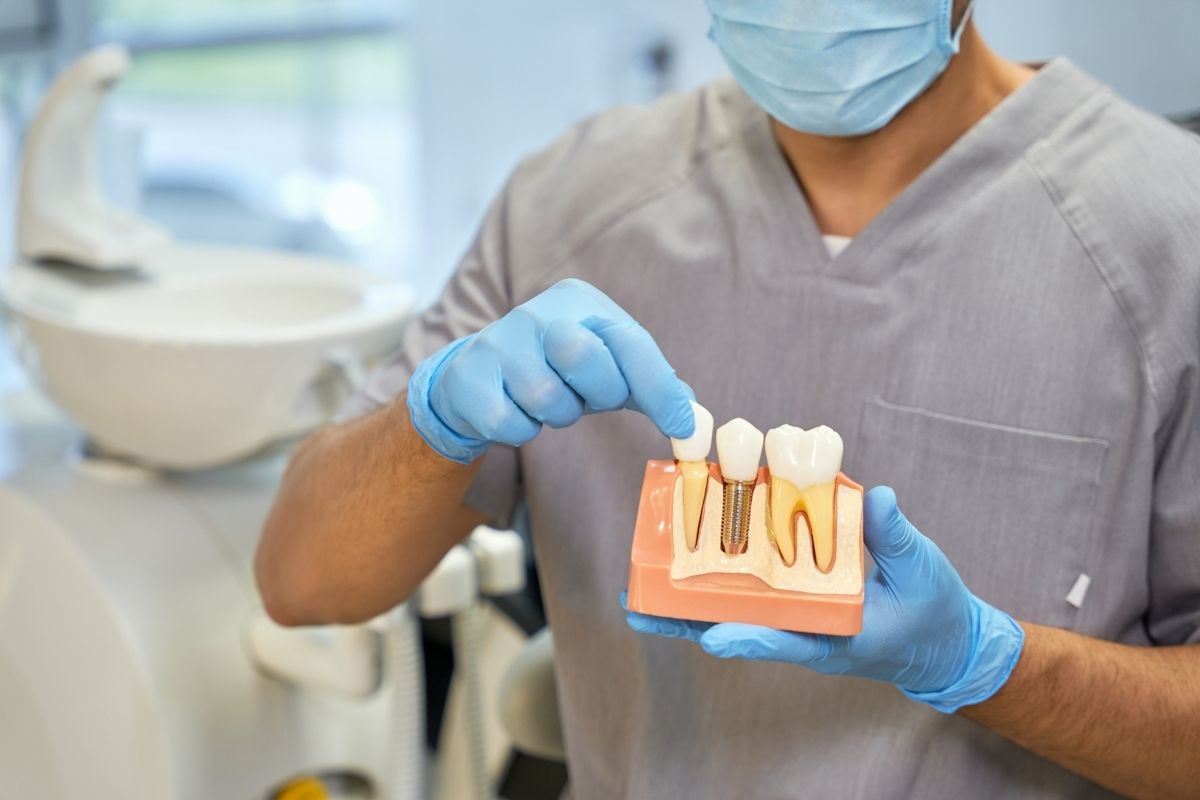
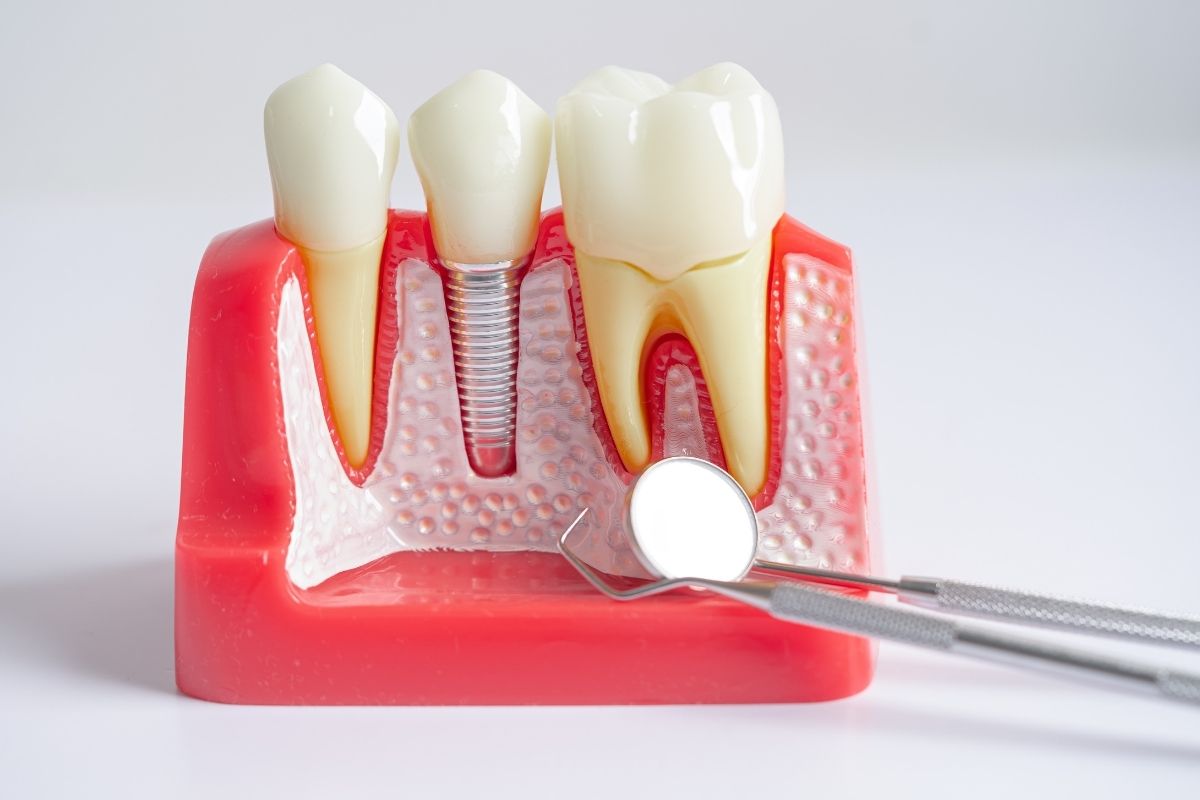
Dental implants work by placing a small titanium post into the jawbone, where it acts like a natural tooth root. Because the implant needs to fuse with the bone, healthy bone structure is essential. Someone in their 60s with strong oral health may be a better candidate than a younger patient with untreated gum disease.
Timing also matters because missing teeth can lead to gradual bone loss over time. The longer a tooth is missing, the greater the chance the jawbone may shrink in that area. Replacing teeth earlier can help preserve facial structure and maintain proper alignment of nearby teeth.
Young Adults and Jaw Development
Many younger patients lose teeth due to sports injuries, accidents, or severe decay. While implants can be an excellent long-term solution, dentists usually wait until jaw growth is fully complete before placing them.
For most individuals, jaw development finishes during the late teenage years or early twenties. If an implant is placed too early, surrounding teeth and bone may continue to shift while the implant remains fixed in place. This can create uneven spacing or cosmetic concerns later.
Young adults who are waiting for full development may still have temporary tooth replacement options available. Once growth is complete, implants can provide a stable and natural-looking solution that supports long-term oral health.
Another advantage younger adults often have is strong bone density. Healthy bone can improve healing and help the implant integrate successfully with the jaw.
The Most Common Age for Tooth Replacement
Many patients choose implants during their 30s, 40s, and 50s. At this stage of life, people may experience tooth loss from decay, fractures, or gum disease. This age range is often considered ideal because overall bone health remains relatively stable, while healing ability is still strong.
Adults in this stage of life also tend to value both function and appearance. Missing teeth can make everyday activities more difficult and may affect confidence in professional or social settings. Replacing teeth can improve chewing ability, speech clarity, and smile appearance while helping protect surrounding teeth from shifting.
One important benefit of dental implants is that they help stimulate the jawbone. Unlike removable appliances, implants function similarly to natural tooth roots, which can reduce future bone deterioration.
Patients balancing work schedules and family responsibilities often appreciate that implants are designed as a long-term solution. With proper care and regular dental visits, they can remain stable for many years.
Are You Ever Too Old for Implants?
A common misconception is that implants are only for younger adults. In reality, many healthy seniors successfully receive implants well into their 70s and even 80s.
Age itself is not usually a barrier. Instead, dentists evaluate overall health and whether the body can heal properly after surgery. Conditions such as uncontrolled diabetes, severe osteoporosis, or advanced gum disease may require additional planning, but they do not always prevent treatment.
Older adults often benefit significantly from replacing missing teeth. Stronger chewing ability can support better nutrition, while stable replacement teeth may improve comfort and confidence compared to traditional removable options.
Modern dental technology has also expanded treatment possibilities for seniors. Bone grafting procedures and advanced imaging techniques can help many patients qualify even if they have experienced some bone loss over time.
Bone Health Plays a Major Role
Healthy jawbone density is one of the most important factors for implant success. When a tooth is lost, the surrounding bone no longer receives stimulation from chewing forces. Over time, this area may begin to shrink.
Bone loss can happen at any age, especially if missing teeth remain untreated for years. This is why early evaluation is often recommended after tooth loss occurs.
If bone loss is present, dentists may suggest bone grafting to rebuild support in the affected area. This procedure can strengthen the jaw and improve the chances of successful implant placement.
Certain lifestyle habits can also influence bone and gum health. Smoking, poor oral hygiene, and untreated periodontal disease may increase the risk of complications. Maintaining regular cleanings and healthy daily habits can support better long-term outcomes.
Health Conditions That May Affect Treatment
Medical history matters just as much as age. Before recommending implants, dentists evaluate factors that could affect healing and recovery.
Patients with well-managed chronic conditions are often still good candidates. However, conditions that impact immune response or bone healing may require additional precautions.
Some important considerations include:
- Gum health and signs of periodontal disease
- Current medications that affect bone metabolism
- Tobacco use or vaping habits
- Existing jawbone density
- Overall commitment to oral hygiene
A thorough consultation helps determine whether implants are the safest and most effective option for each patient.
For additional information about oral health and tooth replacement, the American Dental Association offers helpful educational resources through the ADA website.
The Importance of Personalized Treatment Planning
No two patients have the same oral health history, lifestyle, or goals. That is why implant treatment should always be personalized rather than based only on age.
Some patients may need preparatory procedures before implant placement, while others may qualify for immediate treatment. Dentists also consider cosmetic goals, bite alignment, and long-term maintenance when creating a treatment plan.
Patients who replace missing teeth sooner often experience fewer complications later. Early treatment may help preserve bone structure, prevent shifting teeth, and maintain overall oral function.
At the same time, older adults should not assume they have missed their opportunity. Many seniors enjoy successful outcomes when treatment is carefully planned around their health needs.
Conclusion
There is no universal “perfect age” for dental implants. The right timing depends on factors such as jaw development, bone health, gum condition, and overall wellness. Younger adults may need to wait until growth is complete, while middle-aged and older patients can often benefit greatly from replacing missing teeth sooner rather than later. The most important step is having a professional evaluation to understand your unique needs and treatment options. If you are exploring solutions for missing teeth in Mansfield or nearby communities, contact Picasso Dental & Orthodontics Mansfield to schedule a consultation and learn which approach may be right for your smile.