More people today are turning to tooth replacement solutions to restore their smiles and improve daily comfort when eating and speaking. Patients in Mansfield and nearby communities like Arlington, Midlothian, and Burleson often ask whether a history of gum disease could affect their eligibility for treatment. The good news is that many patients can still qualify for dental implants in Mansfield after their oral health has been properly treated and stabilized. Since healthy gums and a strong jawbone support are important for long-term success, understanding the connection between gum disease and implant treatment can help patients make informed decisions about protecting their smiles.
Why Healthy Gums Matter for Tooth Replacement
Your gums and jawbone act as the foundation for replacement teeth. When gum tissue is healthy, it supports healing and helps keep restorations stable over time. However, periodontal disease creates inflammation and infection that can weaken this support system.
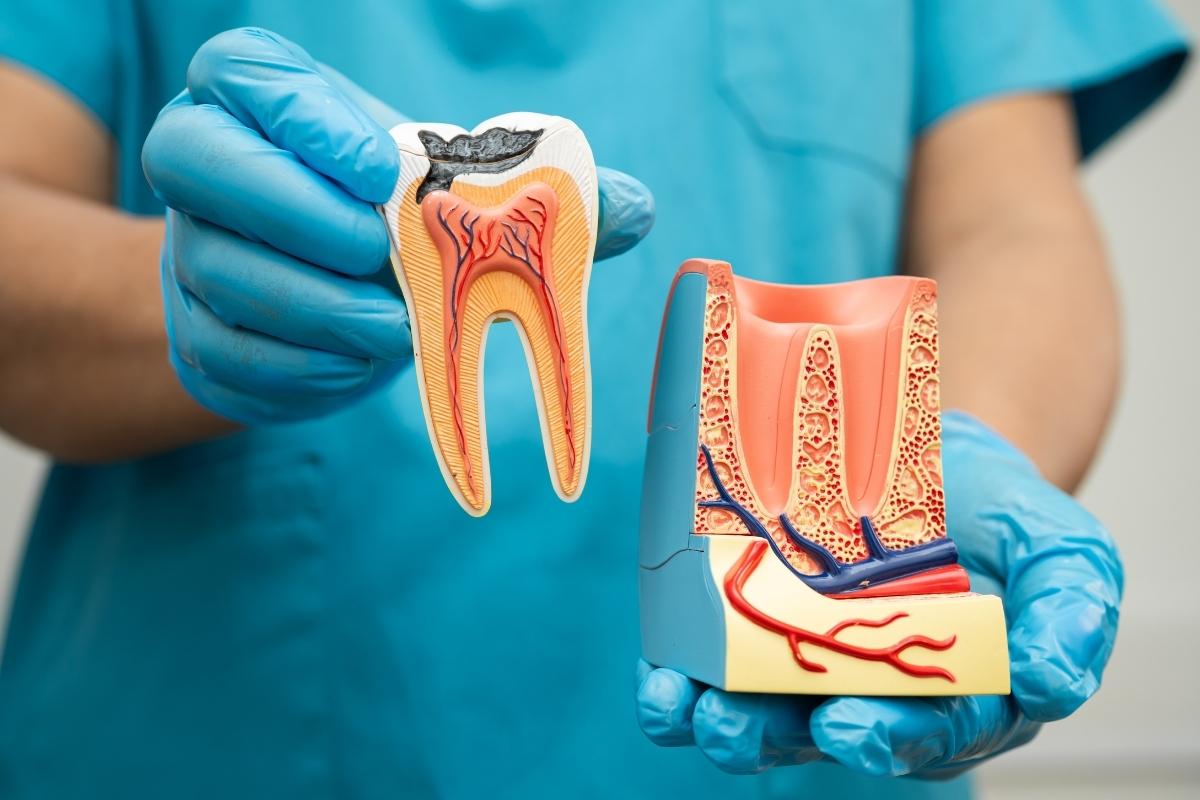
In the early stages, gum disease may cause redness, tenderness, or bleeding while brushing. If left untreated, the infection can spread deeper below the gumline and begin damaging the bone that supports the teeth. This is one reason why many adults lose teeth due to advanced periodontal problems.
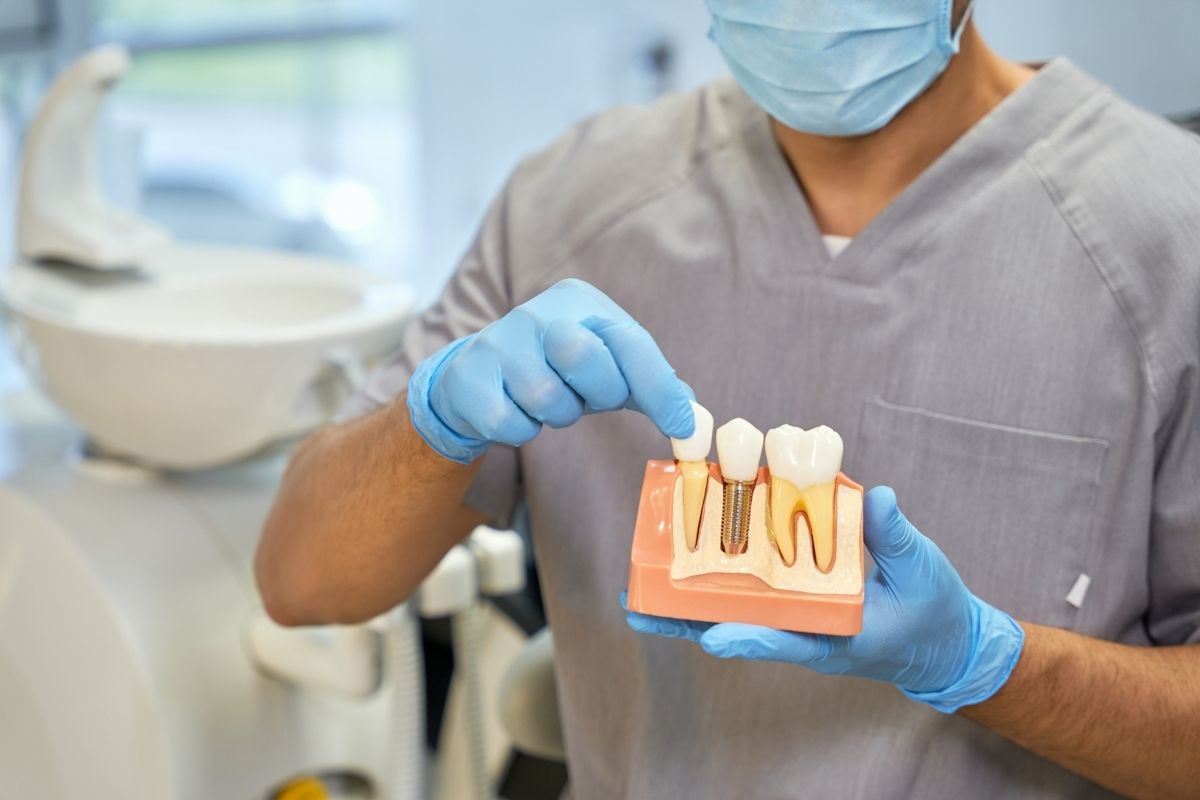
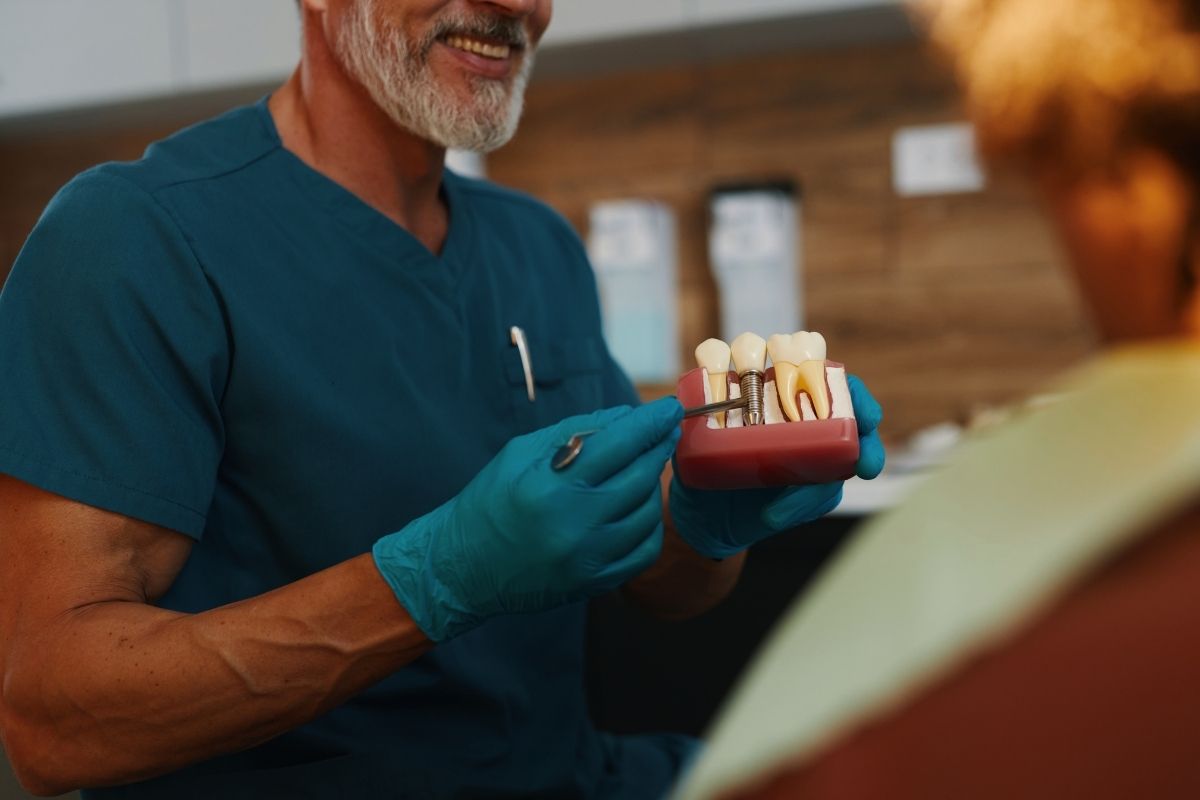
For patients considering implants, dentists first evaluate whether the gums are healthy enough to support proper healing after placement. If infection is still active, treatment may need to happen before moving forward with restorative care.
How Infection Can Affect Implant Success
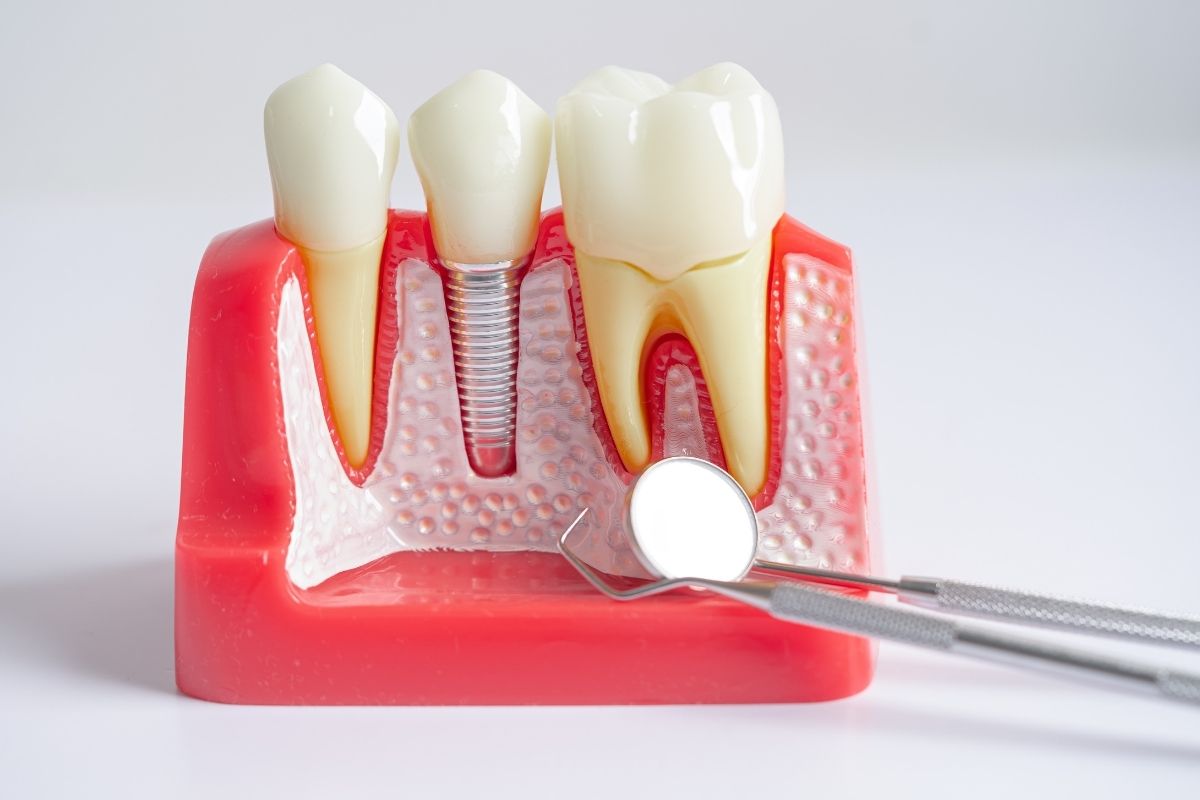
Successful implant treatment depends on a process called osseointegration, where the implant gradually bonds with the jawbone. Active bacterial infection can interfere with this healing stage and increase the risk of complications.
Patients with untreated periodontal disease may experience:
- Increased inflammation around the implant site
- Delayed healing after surgery
- Greater risk of bone deterioration
- Higher likelihood of implant instability
In some situations, gum disease can also lead to peri-implantitis, an infection that develops around an implant after placement. This condition resembles advanced periodontal disease and may damage surrounding tissue and bone if not addressed early.
The encouraging news is that previous gum disease does not automatically prevent someone from becoming a candidate for treatment. Many patients achieve successful outcomes after receiving proper periodontal care and maintaining healthy oral hygiene habits.
Bone Loss and Its Impact on Treatment Planning
One of the biggest concerns associated with advanced gum disease is bone loss. The jawbone naturally begins shrinking when teeth are missing, and periodontal infection can accelerate this process.
When there is not enough bone to support an implant securely, additional procedures may be recommended before treatment begins. Dentists use digital imaging to evaluate bone density and determine whether reinforcement is necessary.
Common solutions may include:
- Bone grafting to rebuild weakened areas
- Sinus lift procedures for the upper jaw
- Tissue grafting to improve gum support
These treatments help create a healthier environment for long-term stability. Even patients with significant bone deterioration may still qualify after proper preparation and healing time.
Signs That Gum Disease May Need Attention
Many people are unaware they have periodontal disease because symptoms can develop gradually. Recognizing early warning signs can help prevent further complications and protect future treatment options.
Some common symptoms include:
- Bleeding gums during brushing or flossing
- Persistent bad breath
- Swollen or tender gum tissue
- Gum recession
- Loose teeth
- Sensitivity while chewing
If any of these symptoms are present, scheduling a dental evaluation promptly is important. Early treatment can often stop the disease before severe damage occurs.
Preparing Your Mouth for a Healthier Outcome
Before moving forward with restorative procedures, dentists focus on creating a healthy oral environment. Treatment plans vary depending on the severity of the infection and the amount of tissue damage present.
Patients may benefit from therapies such as:
- Professional periodontal cleanings
- Scaling and root planing
- Antibacterial rinses or medications
- Improved at-home hygiene routines
- Routine periodontal maintenance visits
Once inflammation is controlled and the gums are stable, the dentist can determine whether further restorative steps are appropriate.
Maintaining healthy daily habits is equally important after treatment. Brushing twice daily, flossing carefully, and attending regular dental visits all contribute to long-term success.
Long-Term Care Helps Protect Your Smile
Even after tooth replacement treatment is complete, ongoing gum care remains essential. Patients with a history of periodontal disease may require more frequent professional cleanings to monitor the health of their gums and surrounding bone.
Consistent preventive care helps reduce the risk of future complications and supports the longevity of dental implants. Lifestyle habits also play a role in oral health. Smoking, uncontrolled diabetes, and poor hygiene can increase the likelihood of inflammation returning.
Creating a personalized home care routine with guidance from a dental professional can make a significant difference in protecting your smile for years to come.
Questions Patients Commonly Ask
Can I still qualify if I had gum disease years ago?
Yes. Many patients with a previous history of periodontal disease can still receive implant treatment if the infection has been successfully treated and their oral health is stable.
Will bone loss automatically disqualify me?
Not necessarily. Bone grafting and related procedures can often rebuild areas that need additional support before treatment begins.
How long does periodontal treatment take before implants?
The timeline varies for each patient depending on healing, bone condition, and the severity of gum disease. Your dentist will create a personalized treatment plan based on your needs.
Is gum disease preventable after treatment?
In many cases, yes. Excellent oral hygiene, regular dental visits, and healthy lifestyle habits can significantly lower the risk of recurring periodontal problems.
According to the American Dental Association, maintaining consistent oral hygiene and routine professional care is one of the best ways to prevent gum disease and support long-term oral health.
Conclusion
Gum disease can create challenges when planning tooth replacement treatment, but it does not always prevent patients from restoring their smiles. With early diagnosis, proper periodontal care, and healthy maintenance habits, many individuals can still become excellent candidates for implant treatment. Patients in Mansfield and surrounding communities who are concerned about their gum health should schedule a professional evaluation to better understand their options. To learn more or request an appointment, contact Picasso Dental & Orthodontics in Mansfield and take the next step toward a healthier, more confident smile.