
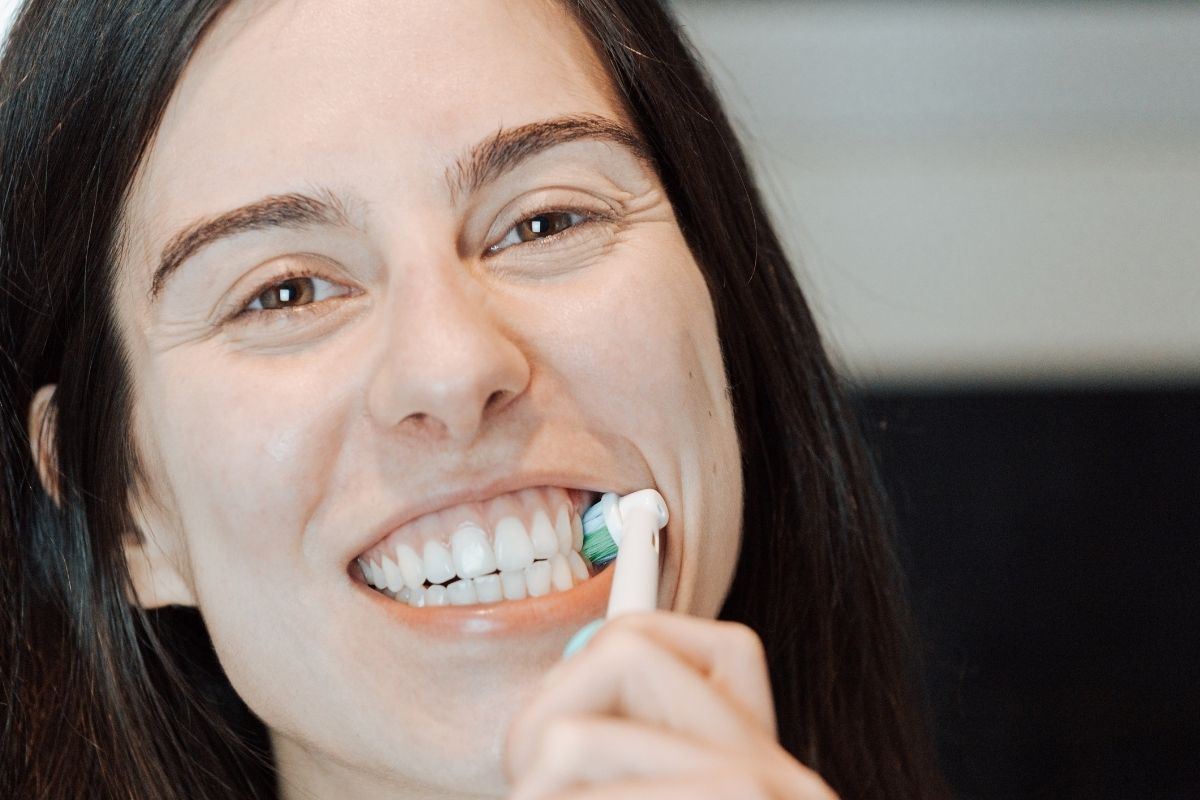
Gum pain right after brushing can be confusing and uncomfortable. Many people assume it is just part of cleaning their teeth, while others worry that it is a sign of something more serious. The good news is that gum pain has clear causes, and once you understand them, it becomes easier to know when the discomfort is normal and when it is a warning sign that you should not ignore.
In this blog, we break down the most common reasons for gum pain after brushing, how to tell the difference between normal irritation and a more serious issue, and when professional care, including targeted Gum pain Treatment in mansfield may be the best choice for protecting your long-term oral health.
Is Gum Pain After Brushing Normal?
Mild gum discomfort can be normal in certain situations. For example, if you recently switched to a new toothbrush or started using a whitening toothpaste, your gums may need time to adjust. This type of sensitivity is usually temporary and improves within a few days.
Gums can also feel sore when someone brushes too hard. Many people believe that brushing firmly cleans better, but gentle brushing is actually more effective and safer for gum tissue. If you apply too much pressure, you can irritate or even damage the gum line.
However, ongoing gum pain is usually not normal. If your gums hurt every time you brush or the discomfort has lasted more than a few days, it is important to take a closer look at what may be happening.
Common Causes of Gum Pain After Brushing
Brushing Too Aggressively
Aggressive brushing is one of the most common reasons for gum pain. Brushing with force does not remove more plaque. Instead, it can lead to gum irritation, enamel wear, and long-term gum recession.
Hard Bristled Toothbrush
A hard-bristle brush can scrape delicate gum tissue. Most dentists recommend using a soft-bristle toothbrush because it cleans effectively without causing unnecessary pressure.
Poor Brushing Technique
Brushing side to side along the gum line can cause discomfort. A gentle circular motion is safer and more effective for removing plaque.
Early Gum Disease
Gingivitis is a very common cause of gum tenderness. When plaque builds up around the gum line, it causes inflammation that makes the gums more sensitive to brushing. This pain is often accompanied by bleeding or swelling.
Vitamin Deficiencies
Low levels of certain vitamins, especially vitamin C, can affect how gums feel and heal.
Hormonal Changes
Pregnancy, puberty, and certain hormonal shifts can increase blood flow to the gums, making them more reactive.
Canker Sores or Soft Tissue Irritation
Small ulcers inside the mouth can make brushing feel painful, even if your gum health is good.
Recent Dental Procedures
If you have had a professional cleaning, filling, or other dental work, your gums may feel sore for a short period.
Sensitivities or Allergic Reactions
Some toothpastes or mouthwashes contain ingredients that irritate sensitive gums.
Warning Signs You Should Not Ignore
Gum pain is not always something to take lightly. If you notice any of the following signs, the discomfort may be pointing to a deeper issue that needs attention:
- Bleeding every time you brush
- Red, swollen, or shiny gums
- Gum recession or gums that appear to be pulling away from teeth
- Ongoing tenderness that lasts more than a week
- Bad breath that does not improve with brushing
- Loose teeth
- Pus or an abscess around the gums
If any of these symptoms sound familiar, your gums are likely trying to tell you something important. These signs often point to gum disease or another dental problem that requires professional care.
When Gum Pain Means Gum Disease
Gum disease begins with gingivitis, which is inflammation caused by plaque buildup. At this early stage, gums may bleed easily during brushing and feel tender or swollen. If gingivitis is not treated, it can progress into periodontitis, a more advanced form of gum disease that affects the bone supporting the teeth.
When gum disease develops, brushing can feel painful because the gums are already inflamed. This irritation does not go away on its own. The longer treatment is delayed, the more difficult gum disease becomes to manage.
The good news is that gum disease is treatable, especially when caught early. Regular dental checkups and cleanings play a major role in preventing it from worsening.
Expert Support for Gum Pain and Gum Disease in Mansfield
At Picasso Dental & Orthodontics, our team is committed to helping patients understand, protect, and restore their gum health. When gum discomfort becomes persistent or recurs, it often points to an underlying issue that warrants careful attention. Our goal is to help you identify the cause and support you with gentle, effective care.
We offer gum disease treatment in Mansfield using techniques designed to reduce inflammation, remove plaque buildup, and improve overall gum health. Since every smile is different, we take the time to learn about your specific concerns and provide personalized recommendations tailored to your needs.
How to Prevent Gum Pain After Brushing
Even if the cause of your gum pain is mild, making a few simple changes can often help:
- Use a soft-bristle toothbrush
- Brush using light pressure
- Try switching to a toothpaste made for sensitive gums
- Rinse with warm saltwater to soothe irritation
- Replace your toothbrush every three months
- Consider using an electric toothbrush with a pressure sensor
- Keep up with daily flossing
- Schedule regular dental cleanings to prevent plaque buildup
Good habits make a big difference in how your gums feel every day.
When Home Care Is Not Enough
Some gum pain can improve on its own. However, if you have tried adjusting your brushing routine and the discomfort continues, it is time to see a dentist. Ongoing gum pain is often a sign of inflammation or early gum disease, and only a professional evaluation can determine the exact cause.
With early care, gum issues are much easier to treat. Waiting too long can lead to more advanced problems that require more involved treatment.
If gum pain has become part of your brushing routine, we encourage you to take the next step toward relief. Our team is here to help you identify the cause, restore your comfort, and protect your gums going forward. Contact our Mansfield dental office today to schedule an exam or consultation for gum pain or gum disease concerns.
Caring for Your Gums Starts With Awareness
Gum pain after brushing is common, but it should not be ignored if it occurs frequently or is accompanied by other symptoms, such as bleeding or swelling. Understanding the difference between normal irritation and a warning sign can help you take better care of your health. If discomfort continues, consulting a dentist in mansfield tx can help identify the underlying cause and prevent more serious gum concerns. With the right habits and professional support, you can keep your gums strong, comfortable, and healthy for years to come.