
Tooth decay is one of the most common dental problems worldwide. With busy schedules, it’s easy to overlook minor dental discomforts. But if you notice a small, dark spot on your tooth, you might wonder if a cavity can heal naturally. Understanding how cavities form and the limits of natural healing can help you make informed decisions about your family’s oral health.
What Exactly Is a Cavity?
A cavity is permanent damage to your tooth’s surface caused by bacterial activity. Plaque bacteria feed on sugars in food, releasing acids that slowly wear down the protective enamel. Over time, this damage creates holes or pits in the tooth.
Early signs might include tooth sensitivity, mild discomfort while eating sweets, or visible spots. As the decay progresses, pain worsens, eventually affecting daily activities like eating or speaking.
Can Cavities Heal Naturally at Home?
The short answer: Early-stage cavities may be reversible, but advanced ones are not.
When enamel first begins to lose minerals (a process called demineralization), proper care can sometimes stop or even reverse it. But once a cavity has developed into an actual hole, it cannot heal on its own. At that stage, only professional treatment can restore the tooth.
Common Symptoms of a Cavity
If you suspect you may have a cavity, look out for these signs:
- Sensitivity to hot, cold, or sweet foods
- Toothache or dull pain while chewing
- Visible holes or dark spots on the tooth
- Bad breath or a lingering bad taste
If you notice any of these, don’t wait; see a dentist. Natural healing won’t work once the cavity has progressed.
What You Can Do at Home
Home care can’t replace professional treatment for advanced cavities, but it can help protect your teeth and slow early damage:
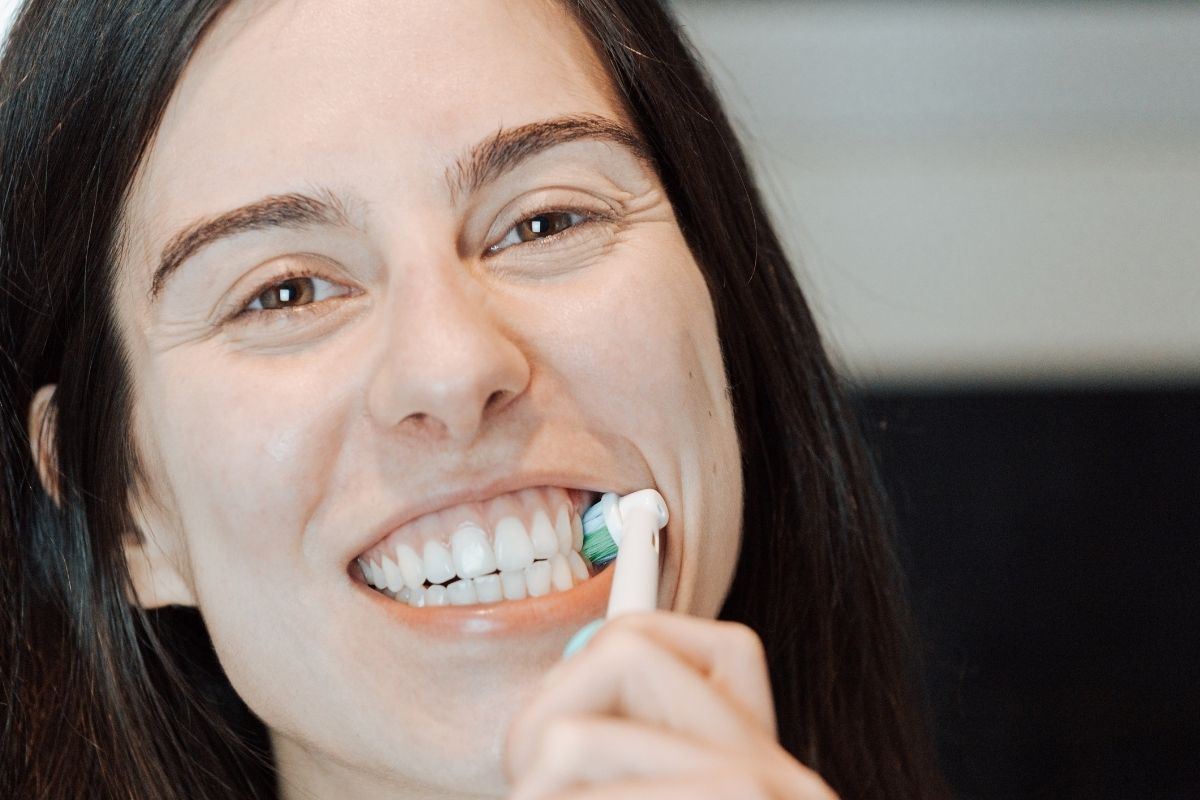
- Brush with fluoride toothpaste twice daily
- Floss to remove plaque between teeth
- Limit sugary foods and drinks
- Drink fluoridated water to strengthen enamel
- Keep up with regular dental check-ups
If pain worsens or you see visible decay, make an appointment with your dentist right away.
Is Reversing Early Cavities Possible?
Yes, incipient cavities (very early lesions) can sometimes be reversed through remineralization. Fluoride helps strengthen enamel and replace lost minerals. Good oral hygiene, combined with a balanced diet, may stop decay from getting worse. However, once enamel has been broken through, brushing and fluoride alone cannot fix the damage. At that point, a filling or another dental procedure is required.
What Happens If You Ignore a Cavity?
Leaving a cavity untreated can cause serious problems, such as:
- Painful tooth infections
- Abscesses that may require a root canal
- Tooth loss occurs if decay spreads too far
- Broader health issues from chronic infections
Treating cavities early saves you pain, money, and time in the long run.
Take Action for a Healthier Smile
Cavities don’t heal on their own once they progress beyond the earliest stage. While good oral hygiene and fluoride can help prevent and even reverse very early decay, professional dental care is the only way to treat cavities that have already formed.
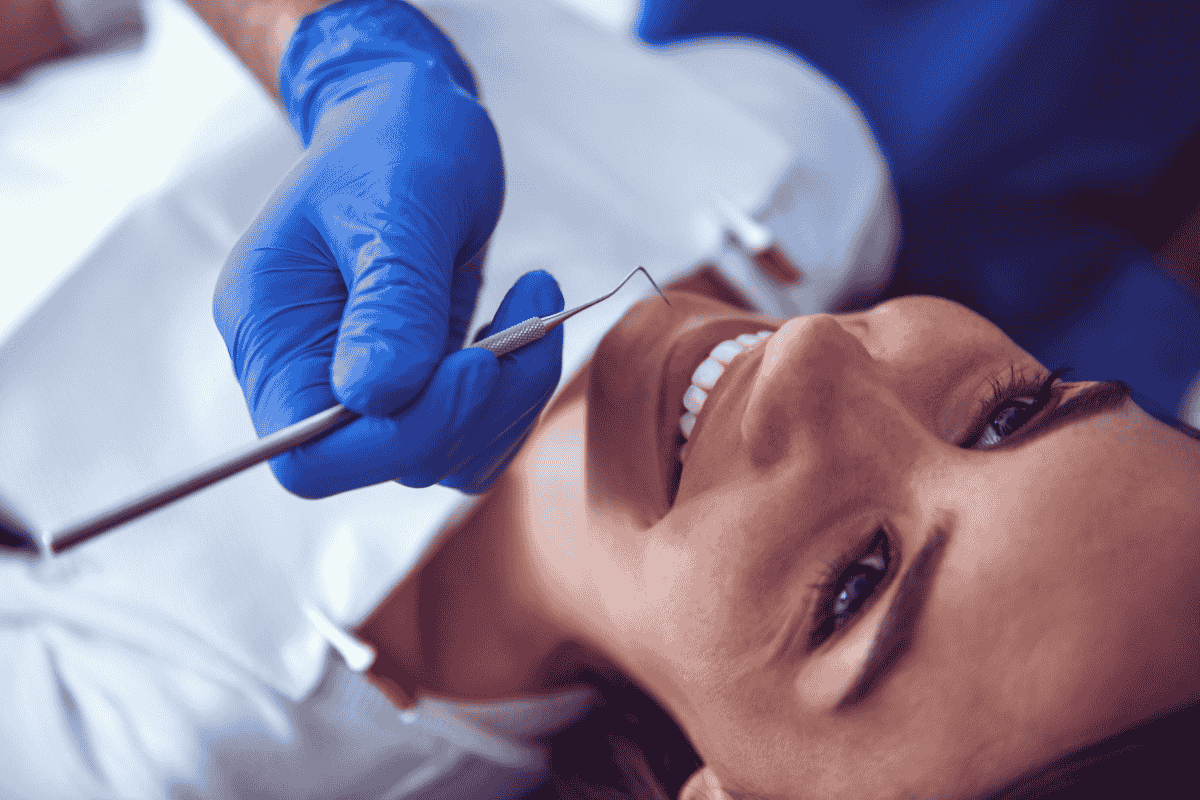
If you’re looking for reliable remedies, the best steps are daily brushing and flossing, limiting sugary foods, drinking fluoridated water, and scheduling routine check-ups. But if you suspect a cavity—or any other dental concern—it’s important to see a professional before it worsens.
For families in Mansfield and the surrounding areas, Picasso Dental & Orthodontics provides the individualized care you need for every dental issue, from preventive cleanings to advanced treatments. Schedule your visit today and take the first step toward a healthier, pain-free smile.Find us on the map by searching Picasso Dental & Orthodontics – Mansfield.
FAQs
1. How does a dentist fix a cavity?
A dentist removes the decayed portion of the tooth and then fills the space with a material such as composite resin or amalgam to restore strength and function.
2. How can I tell if I have a cavity?
Common signs include tooth sensitivity, pain or discomfort while eating, and visible dark spots or holes on the tooth surface.
3. Can brushing and flossing reverse a cavity?
Good oral hygiene can stop or even reverse the very earliest stage of decay (before a hole forms). However, once a cavity has developed, brushing and flossing alone cannot repair it.
4. What happens if I don’t get a cavity treated?
An untreated cavity will continue to grow, leading to increased pain, infection, abscesses, and even tooth loss over time.