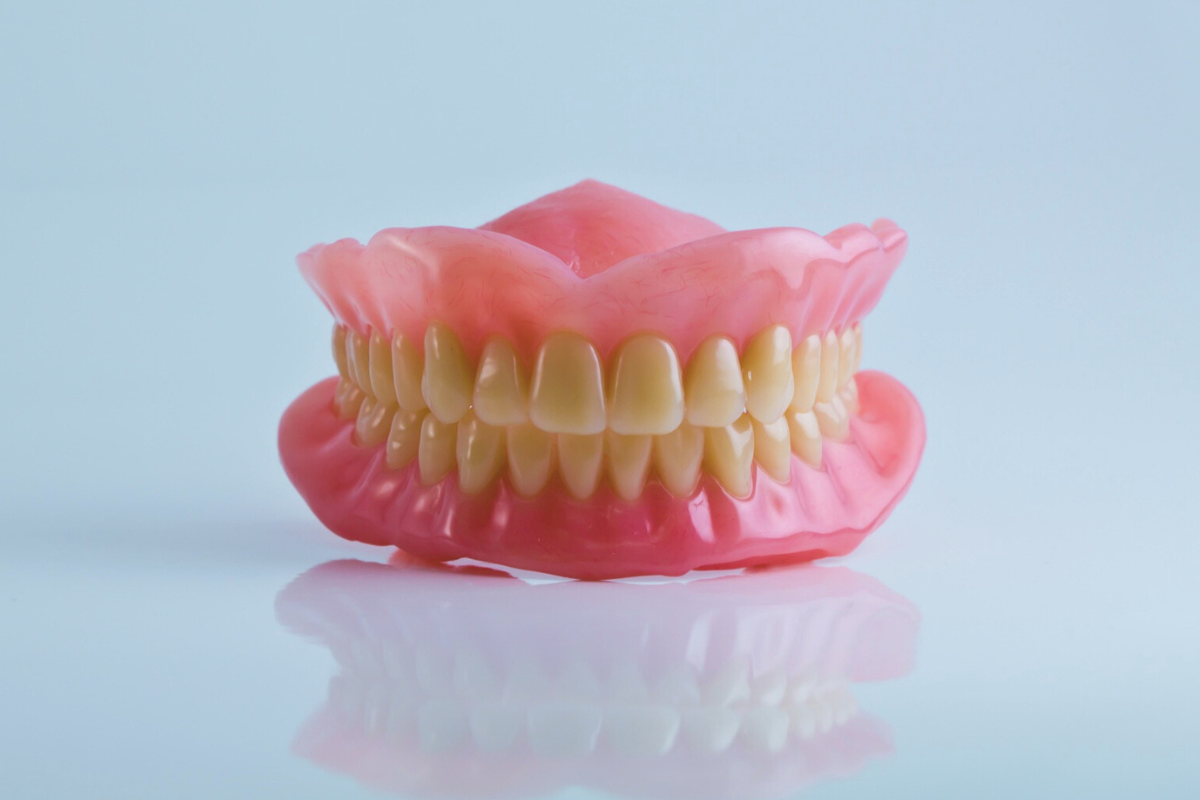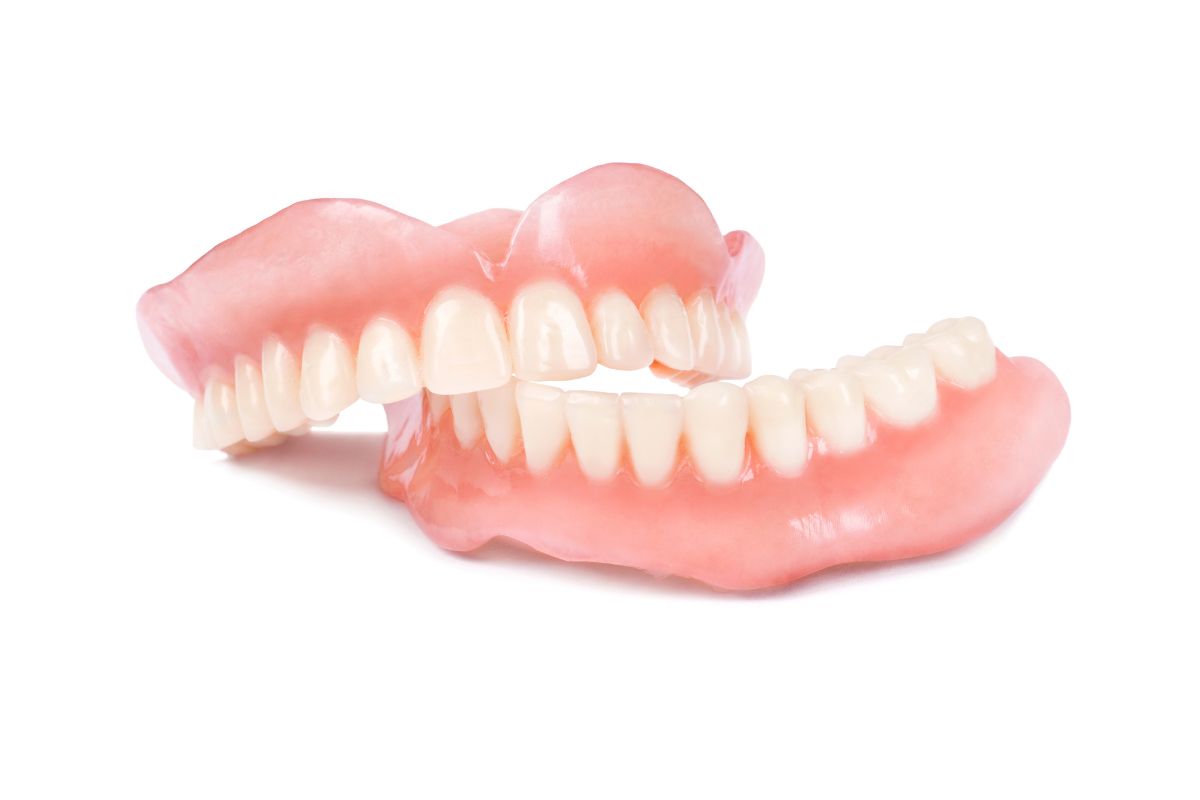
Wearing dentures can help you eat, speak, and smile with greater confidence, but keeping them clean is an important part of your daily routine. Food particles, plaque, and stains can build up on dentures just as they can on natural teeth. Without proper care, dentures may also develop unpleasant odors or contribute to irritation inside your mouth.
If you wear full or partial dentures, learning how to clean dentures correctly can help keep them fresh, comfortable, and in good condition. At Picasso Dental & Orthodontics, patients looking for dentures in Waxahachie can explore denture options and discuss care questions with their dental provider.
The good news is that denture care does not have to be complicated. A few consistent habits each day can make a meaningful difference in how you care for your dentures and your mouth.
Quick Answer: How Do You Clean Dentures Every Day?
To clean dentures, remove them from your mouth and rinse away loose food particles. Gently brush all surfaces with a soft denture brush and a cleaner designed for dentures. Soak them in an appropriate denture-cleaning solution according to its instructions, then rinse thoroughly before wearing them again. Clean your gums, tongue, and palate daily, too.
Why Is Daily Denture Cleaning Important?
Dentures may be artificial, but they still require regular cleaning. Food debris, plaque, and other deposits can collect on their surfaces throughout the day.
If you’re new to wearing dentures, reviewing these 5 things you should know about dentures can help you better understand daily care, comfort, and what to expect when adjusting to your dentures.
Skipping daily cleaning may lead to several problems:
- Unpleasant breath: Food debris and accumulated deposits can contribute to denture odors.
- Staining: Coffee, tea, and certain foods can discolor denture materials over time.
- Mouth irritation: Poor denture hygiene may contribute to irritation and inflammation of the tissues beneath the appliance.
- Reduced comfort: Buildup around the denture’s surfaces can make daily wear less pleasant.
Cleaning your dentures also gives you an opportunity to check for visible damage, cracks, or changes in fit. However, cleaning alone cannot correct a poorly fitting denture or replace regular dental examinations.
How to Clean Dentures Step by Step
A consistent routine is usually easier to maintain than waiting until dentures look dirty. Follow these steps each day, while also following any specific instructions provided by your dentist or denture manufacturer.
1. Remove and Rinse Your Dentures
Start by carefully removing your dentures. Rinse them under running water to wash away loose food particles and debris.
If you have partial dentures, handle them carefully around their clasps and other components. Avoid bending or pulling on these parts because doing so may affect their fit.
For extra protection against accidental drops, clean your dentures over a sink filled with water or over a folded towel.
2. Brush Gently With a Denture Brush
Use a soft-bristled denture brush to clean every surface, including the areas that rest against your gums. Brush gently rather than scrubbing aggressively.
Choose a denture cleanser or cleaning product specifically recommended for your type of appliance. Ordinary toothpaste may be too abrasive and can create tiny scratches that make dentures more susceptible to staining and buildup.
Pay particular attention to grooves, edges, and other areas where food particles can collect. If you wear partial dentures, carefully clean around the clasps without bending them.
3. Soak Your Dentures as Directed
Brushing helps remove debris, while soaking in an appropriate denture-cleaning solution can provide additional cleaning.
Follow the product’s directions regarding the amount of solution, soaking time, and whether the dentures must be removed from the solution before rinsing. Not every cleaning product is suitable for every denture material, particularly appliances with metal components.
Never assume that a longer soak is better. Use only products and soaking methods appropriate for your specific dentures.
4. Rinse Thoroughly Before Wearing Them
After brushing and soaking, rinse your dentures thoroughly with clean water before putting them back in your mouth. This helps remove any remaining cleaning solution.
Some denture cleansers are intended only for cleaning outside the mouth and should never be swallowed. Follow the product label carefully, especially if you have difficulty rinsing or handling your dentures.
What Should You Avoid When Cleaning Dentures?
Some familiar household cleaning habits can damage dentures. Keep these precautions in mind.
- Avoid hot or boiling water. High temperatures can distort denture materials and affect their fit.
- Do not use abrasive toothpaste. Regular toothpaste may scratch the denture surface.
- Avoid household bleach unless specifically directed by your dental professional. It can damage certain materials and metal components.
- Do not use harsh household cleaners. Products intended for countertops or other surfaces are not designed for oral appliances.
- Do not scrub aggressively. Excessive pressure can damage delicate components.
- Do not put dentures in your mouth without rinsing away cleaning products. Follow the cleanser’s safety instructions.
If you are unsure which cleanser is suitable for your dentures, ask your dentist before trying a new product.
How to Care for Your Mouth While Wearing Dentures
Denture hygiene involves more than cleaning the appliance. Your gums and the other tissues inside your mouth need regular attention, too.
Clean Your Gums, Tongue, and Palate
After removing your dentures, gently clean your gums, tongue, and the roof of your mouth with a soft toothbrush. If you wear partial dentures, continue brushing your remaining natural teeth with fluoride toothpaste and cleaning between them daily.
Healthy oral tissues provide an important foundation for comfortable denture wear. If you notice persistent redness, soreness, white patches, or bleeding, arrange a dental evaluation rather than assuming the problem will resolve on its own.
Give Your Mouth a Rest
Many people benefit from removing their dentures at night to allow the oral tissues to rest. Unless your dentist has advised otherwise, remove your dentures before sleeping.
If your dentures feel uncomfortable or create pressure points, do not try to reshape them yourself. A dentist can assess whether an adjustment is needed.
How Should You Store Dentures Overnight?
Proper storage helps prevent dentures from drying out or becoming damaged.
For many removable dentures, overnight care involves placing the appliance in clean water or a suitable denture-soaking solution, following the manufacturer’s instructions. Some materials have specific storage requirements, so confirm the appropriate method for your dentures.
Keep these tips in mind:
- Use a clean denture container with a secure lid.
- Change the soaking liquid as directed.
- Keep dentures away from children and pets.
- Avoid wrapping dentures in tissues or napkins, where they may be accidentally discarded.
- Clean the storage container regularly and allow it to dry as appropriate.
Always rinse the dentures thoroughly before putting them back in your mouth.
Common Denture Care Problems and What to Do
Even with a good cleaning routine, you may encounter problems that require professional attention.
What if my dentures develop stains or odors?
Begin by reviewing your brushing and soaking routine. Make sure you are using an appropriate denture cleanser and cleaning all surfaces. Stubborn stains or persistent odors may require professional cleaning or an examination to identify the underlying cause.
What if my dentures feel loose?
Dentures can become loose as the shape of the gums and underlying jawbone changes over time. Cleaning products cannot correct a change in fit. Schedule an appointment so your dentist can evaluate whether an adjustment, reline, or replacement should be considered.
What if my dentures crack or break?
Stop wearing damaged dentures if they have sharp edges or cause discomfort, and contact your dental provider. Avoid household glues or do-it-yourself repairs because they may damage the appliance or make it unsafe to wear.
How often should dentures be checked?
Continue scheduling dental visits as recommended, even if you no longer have natural teeth. Your dentist can examine your oral tissues, assess the condition and fit of your dentures, and discuss any concerns about cleaning or comfort.
FAQs About Cleaning Dentures
Can I clean my dentures with regular toothpaste?
It is generally better to use a denture cleanser recommended for your appliance. Many regular toothpastes are abrasive and can scratch denture surfaces. Ask your dentist which product is appropriate for your specific dentures.
Should I remove my dentures every night?
Many denture wearers should remove their dentures before sleeping to give their oral tissues a rest. Follow your dentist’s personalized instructions if you have been advised to wear them for a specific period.
How often should I clean my dentures?
Clean your dentures every day, including brushing away food particles and buildup. Rinse them after meals when practical, and use an appropriate soaking product according to its instructions.
Can I soak dentures in plain water?
Plain water may be suitable for storing many removable dentures when they are not being worn, but water alone does not replace thorough brushing and appropriate cleaning. Follow the instructions for your particular appliance.
When should I see a dentist about my dentures?
Schedule an evaluation if your dentures become loose, crack, cause persistent soreness, or develop problems that do not improve with proper cleaning. Sudden pain, significant swelling, or sores that persist also deserve professional attention.
Keep Your Dentures Clean and Your Smile Comfortable
A reliable denture care routine starts with gentle brushing, appropriate cleaning products, thorough rinsing, and proper storage. Taking care of your gums and remaining natural teeth is equally important. These simple habits can help you maintain your dentures and recognize problems before they interfere with daily comfort.
If you have questions about denture cleaning, fit, or replacement, Picasso Dental & Orthodontics can help you explore your options. Visit our Waxahachie dental office to learn more about available care, or see patient reviews on Google to explore feedback about the practice.
Whether you are new to dentures or have worn them for years, consistent care and regular dental checkups can help you feel more confident about your daily oral hygiene routine.