Sensitive or sore gums can be easy to dismiss. Maybe they bleed a little when you brush, feel tender after flossing, or become uncomfortable when you eat something particularly hot or cold. But your gums can tell you a lot about what’s happening in your mouth.
Gum sensitivity doesn’t always mean you have gum disease. It can have several causes, including brushing too aggressively, irritation, plaque buildup, gum recession, or other dental problems. Still, persistent sensitivity, redness, swelling, or bleeding shouldn’t be ignored.
Gum disease, also called periodontal disease, affects the tissues that surround and support your teeth. Its earliest stage, gingivitis, can often be reversed with proper care. If it progresses to periodontitis, however, the tissues and bone supporting the teeth can be damaged and the condition requires professional management.
The good news is that there are simple things you can do every day to protect your gums. Here are seven practical steps to start with.
1. Take Care of Oral Hygiene
Your mom probably doesn’t remind you to brush and floss your teeth anymore, so you’ve started neglecting your oral hygiene. But if you really want to protect your gums and ensure that they don’t become sensitive, it’s important to develop healthy habits in the long run.
Brush your teeth twice a day with a soft bristle toothbrush. Ask your dentist for the best technique and keep in mind that excessive or vigorous brushing might worsen the condition. Floss your teeth at least once a day. It’s also a great practice to use an antiseptic mouthwash after every meal as it’ll soothe irritated gums and kill bacteria.
2. Say No to Smoking
Smoking is a bad habit that is not just harmful for your lungs, but your whole body, especially your teeth. Apart from turning them into a nasty shade of yellow, smoking also affects your gums. If you’re a smoker, quit smoking to get rid of gum sensitivity for good.
3. Drink Water After Meals
As simple as it may seem, drinking water is a good way of washing away the remnants of food in the mouth or teeth– plus extra hydration is always a good thing!
4. Eat Food Rich in Vitamin C
Vitamin C is your gums best friend. It strengthens them and ensures that sensitivity becomes a non-issue. Try to increase the intake of citrus fruits like orange, kiwi, grapefruit and lemon as they are rich in vitamin C. Vegetables like broccoli, cauliflower, Brussels sprouts and capsicums are also great sources of vitamin C. An adult must consume 65-90 mg of vitamin C every day.
5. Avoid Stress
Stressful jobs and routines can affect both your physical and psychological health. The relation between stress and gum sensitivity might seem odd to some but you’ll observe rapid improvement in your gum condition if you manage your sleep patterns, exercise daily, be happy and take a chill pill.
6. Take Over-the-Counter Medication for Mild Distress
Mild gum sensitivity and soreness can be treated with some over-the-counter medicines too. However, you make sure you go through the medication package insert before using them. Oral gels and pain killers can help soothe gum sensitivity to some extent. These may include: Anbesol, Orajel, Chloraseptic, and Xylocaine.
7. Schedule Regular Dental Visits
One of the simplest ways to protect your gums is to keep up with routine dental care.
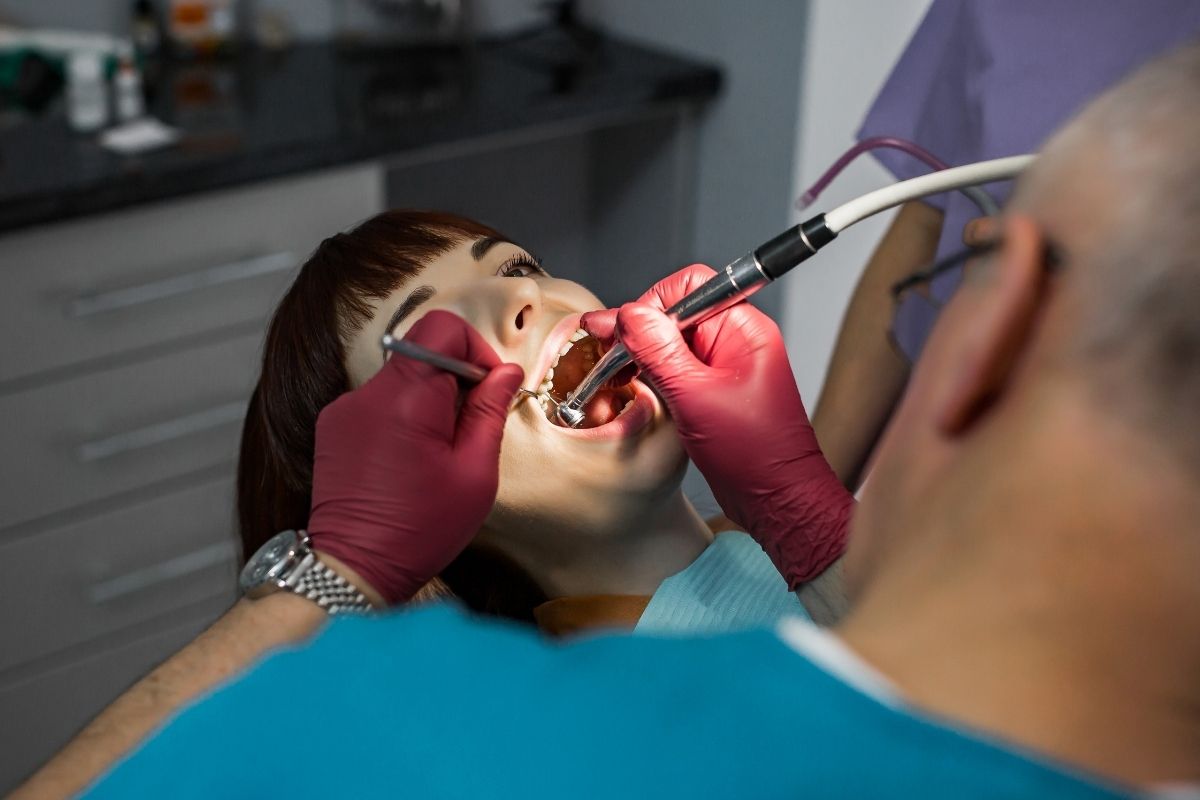
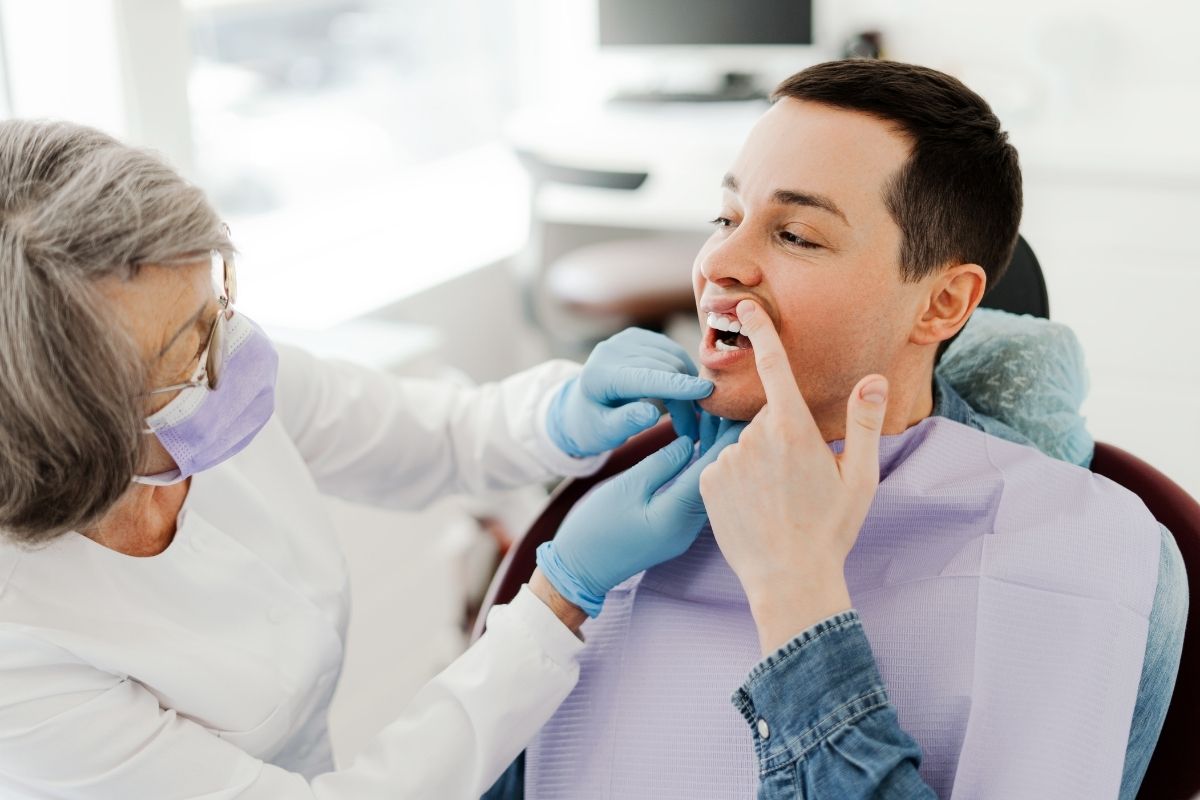
During a dental examination, your provider can look for signs of gum disease that may not be obvious when you’re looking in the mirror. Periodontal evaluation can include checking the gums and the supporting structures around your teeth. Regular professional cleanings also help remove buildup that can’t be effectively removed with a toothbrush alone.
If you’re looking for gum disease treatment in Waxahachie, Picasso Dental & Orthodontics provides gum disease evaluation and treatment as part of its dental services. The appropriate treatment depends on what’s causing the problem and how advanced it is.
What Is the Difference Between Gingivitis and Periodontitis?
These terms are often used interchangeably, but they’re not the same thing.
Gingivitis is inflammation of the gums. Common signs include redness, swelling, and bleeding. With appropriate oral hygiene and professional care, gingivitis can often be reversed.
Periodontitis is a more advanced form of gum disease that can damage the tissues and bone supporting the teeth. It can’t simply be reversed by improving brushing habits, but professional treatment can slow and manage the disease.
That’s why catching gum problems early is worthwhile. The sooner a problem is identified, the more options there may be for managing it.
When Should You See a Dentist for Sensitive Gums?
Make a dental appointment if your gum symptoms don’t settle down or if you notice signs such as:
- Gums that bleed regularly when brushing or flossing
- Red, swollen, or tender gums
- Persistent bad breath or a bad taste
- Gums that appear to be pulling away from your teeth
- Pain when chewing
- Teeth that feel loose or unusually sensitive
- Changes in the way your teeth come together when you bite
These symptoms don’t necessarily mean you have advanced gum disease. They do mean there’s a good reason to have your mouth evaluated.
Can Gum Disease Be Prevented?
In many cases, good daily habits can significantly reduce your risk of gum problems.
Start with the basics:
- Brush twice a day.
- Clean between your teeth every day.
- Avoid smoking and tobacco products.
- Keep regular dental appointments.
- Follow your dentist’s recommendations if you’ve already had gum problems.
The CDC recommends brushing twice daily, cleaning between teeth daily, regular dental care, and avoiding tobacco as important measures for preventing or managing gum disease.
Frequently Asked Questions About Gum Disease
Is gum sensitivity a sign of gum disease?
It can be, but not always. Sensitive gums can have several causes. Gum disease becomes more concerning when sensitivity occurs along with symptoms such as bleeding, redness, swelling, recession, persistent bad breath, or loose teeth.
Can gingivitis go away?
Gingivitis is the early stage of gum disease and can often be reversed with good oral hygiene and appropriate professional care. Periodontitis is different and requires ongoing professional management.
Can gum disease be treated without surgery?
Treatment depends on the severity and type of gum disease. Early gum disease may respond to improved home care and professional cleanings. More advanced periodontal disease may require additional treatment, such as scaling and root planing or other periodontal procedures.
Why do my gums bleed when I floss?
Bleeding can occur when gums are inflamed, including with gingivitis. However, recurring bleeding shouldn’t simply be considered normal. If it continues despite consistent, gentle oral hygiene, schedule an evaluation.
Is gum disease painful?
Not necessarily. Gum disease can develop with few noticeable symptoms, particularly in its earlier stages. That’s one reason routine dental examinations are useful even when your mouth doesn’t hurt.
Protect Your Gums Before a Small Problem Becomes a Bigger One
Healthy gums deserve just as much attention as healthy teeth. If your gums are frequently bleeding, swollen, tender, or sensitive, don’t assume it’s something you simply have to live with.
Consistent brushing and interdental cleaning are important first steps, but persistent symptoms deserve professional attention. If you’re in Waxahachie and concerned about gum disease or changes in your gum health, a dental evaluation can help identify what’s going on and determine whether treatment is needed.
Taking care of your gums now can help support your teeth and overall oral health for years to come. Visit Picasso Dental & Orthodontics – Waxahachie to learn more about the dental office.