
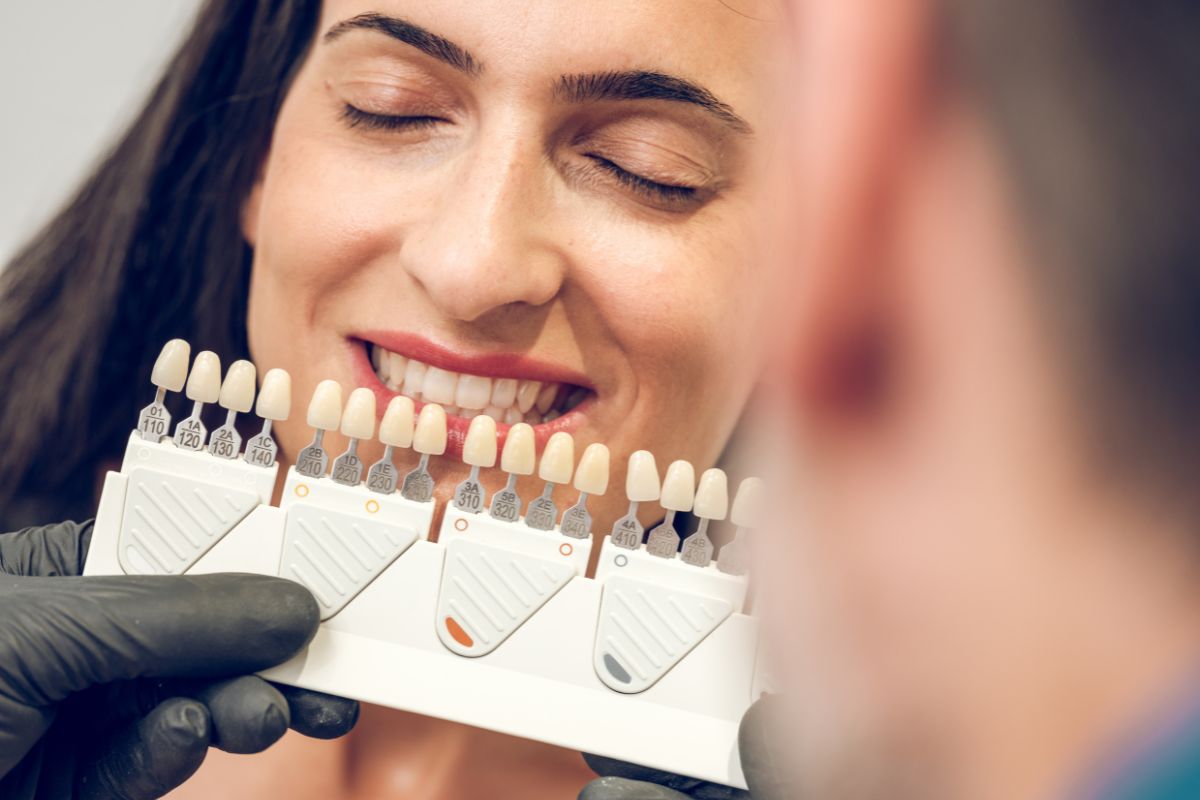
A beautiful smile can make you feel more comfortable in photos, during conversations, and in everyday life. However, chipped edges, stubborn tooth discoloration, small gaps, and uneven teeth can sometimes make people feel self-conscious about their smiles. If you have noticed these concerns, you may be wondering whether dental veneers could help.
Dental veneers are thin, custom-made coverings designed to improve the appearance of the front surfaces of teeth. Depending on your dental health and cosmetic goals, they may help address several imperfections while preserving the overall look of your natural smile. At Picasso Dental & Orthodontics, patients exploring cosmetic improvements can learn about dental veneers in Corsicana and discuss whether this treatment suits their needs.
But what can dental veneers fix, and when might another treatment be more appropriate? Understanding the possibilities can help you prepare for a conversation with your dentist and make a more informed decision about your smile.
Quick Answer: What Can Dental Veneers Fix?
Dental veneers can help improve the appearance of chipped teeth, certain types of discoloration, small gaps, mildly uneven tooth shapes, worn edges, and minor cosmetic irregularities. They can also make visible teeth look more uniform in color and shape. However, veneers do not correct every dental problem. Tooth decay, gum disease, significant bite problems, and severely misaligned teeth may require other treatments before cosmetic options are considered.
1. Chipped or Worn Teeth
Small chips and worn edges can change the appearance of your smile, particularly when they affect your front teeth. These imperfections may develop after minor injuries, years of normal wear, or habits such as biting hard objects.
Dental veneers can cover certain chips and improve the appearance of worn tooth edges. Because veneers are designed to complement the surrounding teeth, your dentist can consider the shape, shade, and proportions needed for a natural-looking result.
Are veneers suitable for every chipped tooth?
Not necessarily. Small cosmetic chips may be treated with veneers or dental bonding, depending on their location and severity. Larger fractures, significant structural damage, or injuries involving the inner portion of a tooth may require a different treatment, such as a dental crown or other restorative care.
Your dentist will examine the affected tooth before recommending an option.
2. Stubborn Tooth Discoloration
Tooth discoloration is another common reason people explore veneers.
Professional teeth whitening can improve many types of surface and deeper staining. However, some discoloration may not respond as well to whitening. Certain medication-related stains, developmental discoloration, and changes in tooth color following an injury may require a different approach.
Veneers can cover the visible front surfaces of selected teeth, helping create a more consistent appearance when discoloration is difficult to address with whitening alone.
Veneers or teeth whitening: Which is better?
The right option depends on your goals and the cause of the discoloration.
- Teeth whitening: May be suitable if your natural teeth are healthy and you primarily want to brighten their color.
- Dental veneers: May be considered when discoloration is resistant to whitening or when you also want to change tooth shape or size.
- Other dental treatments: May be necessary if the discoloration results from decay, trauma, or another underlying dental concern.
Veneers do not whiten your natural teeth. Their shade is selected before placement, so discuss your preferred color with your dentist before treatment begins.
3. Small Gaps Between Teeth
Small spaces between front teeth can affect the appearance of an otherwise healthy smile. Some patients choose to keep these spaces, while others prefer a more connected appearance.
In suitable cases, veneers can make teeth appear wider and reduce the visible space between them. Your dentist must consider the size of the gap, tooth proportions, gum health, and how your upper and lower teeth fit together.
Veneers are not always the best choice for closing gaps. If the spaces are larger or result from tooth-position problems, orthodontic treatment may provide a more appropriate solution.
The goal is not simply to close a gap but to achieve a result that looks balanced and supports your dental health.
4. Uneven Tooth Shapes or Sizes
Teeth naturally vary in shape and size. However, a tooth that appears shorter, narrower, or differently shaped than its neighbors can make the smile look uneven.
Veneers may help improve the appearance of selected teeth by changing their visible shape, width, or length. For example, they may be considered when a front tooth looks unusually small or when minor differences in tooth proportions affect smile symmetry.
Your dentist will evaluate how much change is needed and whether the proposed design will look natural alongside your other teeth.
It is important to remember that veneers require careful planning. Making a tooth appear larger or longer should not interfere with your bite or create unnecessary pressure on the restoration.
5. Minor Cosmetic Irregularities
Some people have slightly irregular front teeth but do not necessarily need extensive orthodontic treatment. Depending on the circumstances, veneers may improve the appearance of minor shape or alignment differences.
For example, a veneer may make an individual tooth look more consistent with neighboring teeth when the underlying position is suitable.
However, veneers do not physically move teeth into new positions. They change the visible surface and shape, which is different from orthodontic treatment.
If your teeth are significantly crowded, rotated, or misaligned, braces or clear aligners may be more appropriate. Your dentist can help determine whether a cosmetic approach is reasonable or whether correcting the underlying tooth position should come first.
6. Uneven or Worn Front Tooth Edges
Teeth can develop uneven edges over time because of ordinary wear, grinding, or other habits. When this affects the front teeth, the edges may look irregular or asymmetrical.
Veneers can sometimes improve the appearance of these edges by creating a more consistent outline.
However, tooth grinding deserves particular attention. Repeated grinding or clenching can place excessive force on veneers and increase the risk of damage. If you grind your teeth, your dentist may recommend addressing the habit and considering a protective night guard when appropriate.
A cosmetic treatment plan should account for the reason your teeth became worn in the first place, not just the appearance of the affected teeth.
7. Multiple Cosmetic Concerns at Once
One reason patients consider veneers is that a single treatment plan may address several visible concerns.
For example, a patient may have discoloration, small chips, and uneven tooth shapes affecting the same front teeth. Depending on the condition of those teeth, veneers may improve several of these features together.
The treatment plan is individualized. Not everyone needs veneers on the same number of teeth, and treating more teeth is not automatically better.
Your dentist will consider your natural tooth structure, gum health, bite, cosmetic preferences, and available alternatives before recommending treatment.
What Problems Can Dental Veneers Not Fix?
Although veneers can improve several cosmetic concerns, they are not a solution for every dental condition.
They generally do not treat:
- Tooth decay: Cavities need appropriate restorative treatment before cosmetic procedures are considered.
- Active gum disease: Gum inflammation and infection require evaluation and treatment.
- Severe tooth misalignment: Orthodontic treatment may be needed to correct the position of the teeth.
- Major tooth damage: A crown or another restoration may offer more suitable protection, depending on the damage.
- Underlying tooth pain or infection: The cause must be identified and treated rather than simply covered.
- Significant bite problems: These may require a broader treatment plan.
A veneer covers part of a tooth’s visible surface. It does not eliminate the need to maintain healthy teeth and gums.
Are Dental Veneers Right for You?
The best way to determine whether veneers are suitable is to have your teeth examined by a dental professional.
During a consultation, your dentist may evaluate your tooth structure, enamel, gum health, bite, existing restorations, and cosmetic goals. Your medical and dental history may also be relevant to treatment planning.
Some veneers require removing a small amount of enamel, and this change is generally irreversible. Veneers can also chip, crack, or wear over time and may eventually need repair or replacement.
Before choosing treatment, ask about the benefits, limitations, expected maintenance, alternatives, and costs. Depending on your situation, dental bonding, professional whitening, orthodontic treatment, or crowns may be worth discussing.
If you are preparing for a consultation, our guide to what to expect when getting veneers can help you understand the process and the questions you may want to ask.
How to Care for Your Smile After Getting Veneers
Good daily habits help protect your natural teeth and support the longevity of dental restorations.
- Brush twice daily with a fluoride toothpaste.
- Clean between your teeth every day using floss or another suitable interdental cleaner.
- Attend regular dental checkups and professional cleanings.
- Avoid biting fingernails, opening packages with your teeth, or chewing hard objects.
- Ask your dentist about a night guard if you grind or clench your teeth.
- Contact your dental office if a veneer feels loose, chips, or causes discomfort.
Veneers do not prevent cavities or gum disease in the underlying teeth. Maintaining your oral hygiene routine remains essential even after cosmetic treatment.
Frequently Asked Questions
1. Can dental veneers fix yellow or stained teeth?
Yes, veneers can cover discoloration on selected teeth and create a more uniform appearance. They may be considered when whitening is unlikely to achieve your desired result. However, your dentist should first determine the cause of the discoloration and discuss whether whitening or another treatment would be more appropriate.
2. Can veneers close gaps between front teeth?
Veneers can reduce the appearance of small gaps in suitable cases by changing the visible width of the teeth. Larger gaps or spaces caused by significant alignment problems may be better addressed with orthodontic treatment.
3. Do dental veneers look natural?
Veneers can be designed to complement the shape, color, and proportions of your surrounding teeth. The final appearance depends on factors such as material selection, treatment planning, tooth preparation, and the skill involved in creating and placing the restorations. Your dentist can discuss realistic expectations before treatment.
4. Are dental veneers permanent?
Veneers are considered a long-term treatment, but they do not last forever. Some types require removing enamel, which does not grow back. Veneers may eventually need repair or replacement, so it is important to understand the long-term commitment before proceeding.
5. How do I know whether I need veneers or another cosmetic treatment?
The best choice depends on the condition of your teeth and the changes you want to make. Whitening may address certain stains, bonding may repair small chips, and orthodontics may correct tooth-position problems. A dental examination can help identify the most appropriate option for your circumstances.
Explore Your Cosmetic Dentistry Options in Corsicana
Dental veneers may help address several cosmetic concerns, including chipped teeth, stubborn discoloration, small gaps, uneven shapes, and worn edges. However, the right treatment depends on your oral health, the condition of your natural teeth, and your expectations for the final result.
If you are considering improving your smile, Picasso Dental & Orthodontics can be a starting point for discussing your cosmetic dentistry options in Corsicana, Texas. A dental consultation can help you understand whether veneers are appropriate or whether another treatment may better meet your needs.
If you’re considering improving your smile, you can explore our website or read patient reviews to learn more about Picasso Dental & Orthodontics in Corsicana, TX.
Take the first step toward an informed decision by scheduling a consultation and discussing the smile changes that matter most to you.
