
Orthodontic treatments have come a long way, offering multiple options to straighten teeth and correct bite issues. Among the most popular choices are traditional metal braces and Invisalign, a leading brand of clear aligners. But how do you know which is the right choice for you? This blog will explore the key differences between Invisalign and metal braces to help you make an informed decision.
1. Difference Between Invisalign and Metal Braces
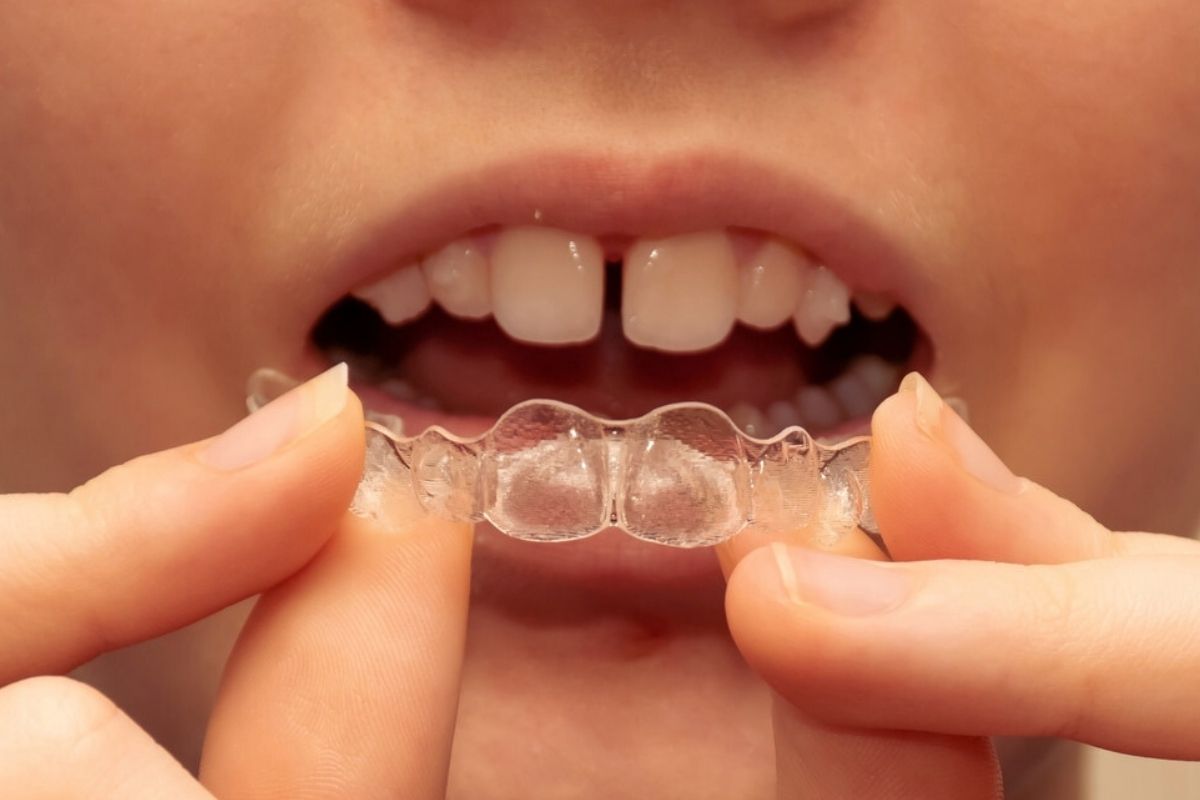
Invisalign: Invisalign is a type of clear aligner made from a patented thermoplastic material. The aligners are custom-made to fit your teeth and gradually shift them into the desired position. Invisalign is virtually invisible, making it an appealing option for teens and adults who want a discreet way to improve their smile.
Metal Braces: Traditional metal braces have been around for decades and involve a combination of metal brackets, wires, and rubber bands. The brackets are attached to the teeth, and the wires are adjusted regularly to move the teeth into their correct positions. Despite being more visible, metal braces are highly effective at treating a wide range of orthodontic issues.
2. Aesthetic Appeal
Invisalign: One of the most significant advantages of Invisalign is its aesthetic appeal. The clear aligners are almost invisible, making them an ideal choice for those who want to improve their smile without drawing attention to their treatment. This feature makes Invisalign particularly popular among adults who may feel self-conscious about wearing braces.
Metal Braces: Metal braces are much more noticeable due to their stainless steel brackets and wires. While some patients, especially younger ones, enjoy customizing their braces with colorful rubber bands, many feel self-conscious about the appearance of metal braces.
3. Comfort and Convenience
Invisalign: Clear aligners are generally considered more comfortable than metal braces. Invisalign aligners are smooth, without any sharp edges that can irritate the gums and cheeks. They are also removable, allowing you to eat, drink, and maintain oral hygiene with ease. However, for Invisalign to be effective, aligners must be worn for 20-22 hours a day, requiring discipline and commitment.
Metal Braces: While metal braces are effective, they can be uncomfortable, especially right after adjustments when the wires are tightened. Braces are fixed in place, so you don’t have the flexibility to remove them when eating or brushing. This fixed nature can make maintaining oral hygiene a bit more challenging compared to Invisalign.
4. Treatment Time
Invisalign: Treatment time with Invisalign depends on the complexity of the case but generally ranges from 12 to 18 months. The duration can be shorter or longer depending on how diligently the aligners are worn. Because aligners are removable, treatment may be prolonged if they are not worn as recommended.
Metal Braces: Metal braces often require a longer treatment time, typically between 18 months to 3 years, depending on the severity of the orthodontic issue. Braces are worn 24/7, which ensures continuous pressure on the teeth and can make treatment progress steadily.
5. Effectiveness for Different Dental Issues
Invisalign: Invisalign is highly effective for treating mild to moderate orthodontic problems, such as gaps, overcrowded teeth, and minor bite issues. However, more complex cases, like severe misalignments or significant bite corrections, may not be suitable for Invisalign alone.
Metal Braces: Metal braces are versatile and can handle a wide range of orthodontic problems, from simple spacing issues to more complex bite misalignments, such as overbites, underbites, and crossbites. Their fixed nature and the ability to use various attachments make them suitable for nearly any orthodontic case.
6. Maintenance and Oral Hygiene
Invisalign: Keeping your teeth clean with Invisalign is straightforward because the aligners are removable. You can brush and floss as usual, without any obstacles. However, it’s essential to clean your aligners regularly to prevent bacteria buildup and ensure fresh breath.
Metal Braces: Metal braces make oral hygiene more challenging. Food can easily get trapped between the brackets and wires, increasing the risk of plaque buildup, cavities, and gum disease. Patients need to be meticulous about brushing and flossing around their braces, often using special tools like floss threaders or interdental brushes to maintain good oral hygiene.
7. Dietary Restrictions
Invisalign: Since Invisalign aligners are removable, there are no dietary restrictions. You can enjoy your favorite foods without worrying about damaging your orthodontic appliance. Simply remove the aligners before eating or drinking anything other than water, and then brush your teeth before putting them back in.
Metal Braces: Metal braces come with a list of food restrictions. Hard, sticky, or chewy foods can damage brackets and wires, potentially prolonging treatment. Avoiding foods like popcorn, nuts, and chewy candies is essential to prevent emergency visits to the orthodontist.
8. Follow-Up Visits
Invisalign: Follow-up appointments for Invisalign treatment are typically less frequent than those for metal braces, with visits usually scheduled every 6 to 8 weeks. During these visits, your orthodontist will check your progress and provide new sets of aligners.
Metal Braces: Metal braces require more frequent visits, often every 4 to 6 weeks, for adjustments and wire tightening. These visits are crucial to ensure that the braces are working correctly and to make any necessary modifications.
9. Cost Considerations
Invisalign: Invisalign treatment can be slightly more expensive than metal braces, mainly due to the advanced technology and customization involved. However, costs vary based on the complexity of the case, location, and the provider’s expertise.
Metal Braces: Metal braces are generally more affordable and widely available. The cost of metal braces can also vary, depending on the severity of the case, length of treatment, and any additional procedures required.
Conclusion: Choosing the Right Option for You
Choosing between Invisalign and metal braces depends on various factors, including your orthodontic needs, aesthetic preferences, lifestyle, and budget.
Choose Invisalign if you value discretion, comfort, and the convenience of a removable option. It’s ideal for those with mild to moderate orthodontic issues and a disciplined approach to wearing the aligners as directed.
Opt for Metal Braces if you need a more comprehensive treatment to address complex dental issues. Braces are highly effective, though they may require more effort to maintain oral hygiene and have some dietary restrictions.
If you’re considering orthodontic treatment and want to explore Invisalign, consult a skilled orthodontist to determine the best course of action. For those seeking Invisalign treatment in Waxahachie, scheduling a consultation with a qualified provider can help you achieve the smile you’ve always wanted through a personalized approach.