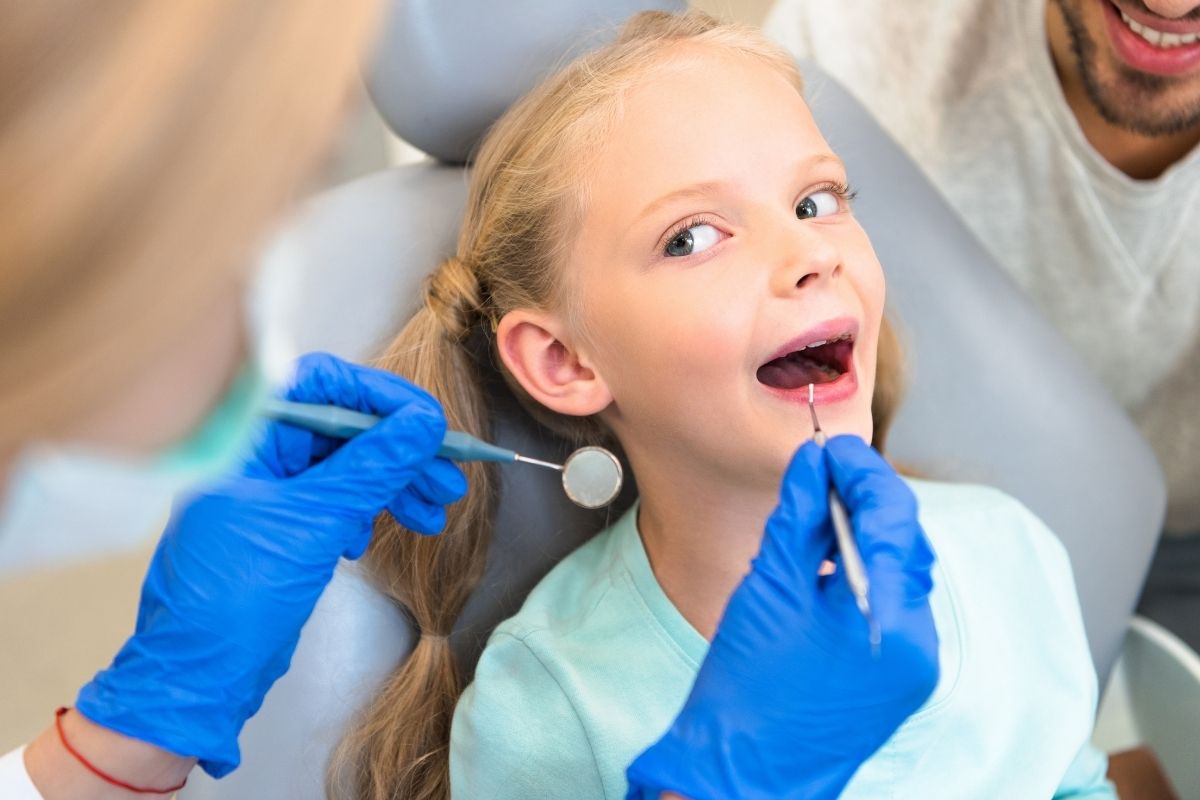
Cavities are common in childhood, but many can be prevented with consistent daily habits and regular dental care. For parents, the challenge is often knowing which habits matter most and getting children to stick with them.
At Picasso Dental & Orthodontics, families can turn to pediatric dentistry in Waxahachie for age-appropriate dental care and guidance designed to help children build healthy oral hygiene habits. Starting early can make brushing, flossing, healthy eating, and dental visits a normal part of your child’s routine.
Quick Answer
The best way to help prevent cavities in kids is to establish good daily oral hygiene, limit sugary foods and drinks, clean between teeth, schedule regular dental checkups, and ask your child’s dentist whether fluoride treatments or dental sealants are appropriate. Parents should also supervise brushing until children can consistently clean their teeth effectively on their own.
Why Do Children Get Cavities?
A cavity develops when bacteria in the mouth interact with sugars left on the teeth. This process produces acids that can damage tooth enamel over time. Children can be particularly vulnerable because they are still developing their brushing and flossing skills.
Frequent sugary snacks and drinks can also make cavity prevention more challenging. The goal isn’t to make every treat disappear from your child’s life. Instead, parents can focus on balanced eating habits and consistent dental care.
Baby teeth deserve attention, too. Although they eventually fall out, they help children chew and speak properly and help maintain space for permanent teeth. Decay or premature loss of a baby tooth can affect a child’s developing mouth.
7 Practical Ways to Prevent Cavities in Kids
1. Make Brushing a Twice-Daily Habit
Brushing is one of the simplest ways to protect your child’s teeth.
Help your child brush at least twice a day, particularly in the morning and before bed. Use a soft-bristled toothbrush and encourage your child to clean all tooth surfaces rather than focusing only on the teeth they can easily see.
Younger children often need help with brushing because they may not yet have the coordination to clean their teeth thoroughly. As children become more independent, parents can continue checking their technique and consistency.
The pediatric dentistry guidance from Picasso Dental & Orthodontics emphasizes starting oral hygiene early and teaching children proper brushing techniques.
2. Don’t Forget Between the Teeth
A toothbrush cannot effectively clean every area between teeth. Once your child’s teeth begin touching, cleaning between them becomes an important part of maintaining oral hygiene.
Ask your child’s dental professional when flossing should begin and which method is easiest for your child.
For many parents, flossing becomes easier when it is treated as part of the normal bedtime routine rather than an occasional task.
3. Pay Attention to Sugary Foods and Drinks
Sugar itself doesn’t mean your child is destined to develop cavities. However, sugars can contribute to the process that allows cavity-causing bacteria to produce acids.
Try to limit frequent snacking on sugary foods and drinks. Water can be a simple everyday beverage choice, while parents can work toward balanced meals and snacks.
Rather than focusing only on eliminating individual foods, consider the overall pattern of your child’s eating habits. Frequent exposure to sugary foods and drinks can make cavity prevention more difficult.
4. Make Dental Visits Part of the Routine
Don’t wait for your child to complain about a toothache before scheduling a dental appointment.
Regular checkups allow the dental team to monitor your child’s teeth and identify potential concerns early. Picasso Dental & Orthodontics recommends routine pediatric dental checkups, typically every six months, although some children may benefit from more frequent visits depending on their individual needs.
The practice also recommends that children have their first dental visit by their first birthday, consistent with guidance referenced on its pediatric dentistry page.
5. Ask About Fluoride
Fluoride helps strengthen tooth enamel and can be an important part of cavity prevention.
The appropriate amount and use of fluoride can depend on your child’s age and individual circumstances. Parents should follow their dental professional’s recommendations rather than making assumptions about fluoride supplements or toothpaste.
If you’re unsure which toothpaste or fluoride approach is appropriate for your child, bring the question to their next dental visit.
6. Consider Dental Sealants
Some areas of children’s teeth particularly the grooves and pits of back teeth can be difficult to clean thoroughly with a toothbrush.
Dental sealants can cover these hard-to-reach areas and provide an additional layer of protection against decay. Picasso Dental & Orthodontics notes that sealants may be recommended for children to help protect areas that are especially prone to cavities.
Sealants aren’t necessarily right for every child or every tooth, so a dental professional can evaluate your child’s teeth and discuss whether they may be beneficial.
7. Make Oral Care Positive
Children are more likely to develop lasting habits when dental care feels manageable rather than like a daily battle.
Let your child choose a toothbrush they like, use a simple brushing routine, and praise consistent effort. For younger children, parents can brush first and then let the child have a turn.
It can also help to speak positively about dental visits. Choosing a dental team that understands how to communicate with children can make appointments feel less intimidating and more comfortable. Parents can also learn more about the benefits of seeing a kid-friendly dentist and how a child-focused approach can support positive dental experiences.
Picasso Dental & Orthodontics recommends using simple, non-frightening language when discussing dental care with children and preparing them for what to expect.
What If My Child Already Has a Cavity?
If you notice a visible change in a tooth, sensitivity, pain, or another concerning symptom, schedule an evaluation rather than trying to determine the cause at home.
A cavity may not always cause noticeable symptoms in its early stages. Regular dental examinations can help identify concerns that parents may not see during everyday brushing.
The appropriate treatment depends on the child’s tooth, the extent of the problem, and the dentist’s evaluation. Early professional attention can help parents understand their options and protect their child’s oral health.
When Should a Child First See a Dentist?
Parents don’t need to wait until all of their child’s baby teeth have appeared.
Picasso Dental & Orthodontics recommends a child’s first dental appointment by the first birthday and explains that early visits can help establish healthy oral hygiene habits. The practice also focuses on making children’s visits comfortable by using simple language and helping families understand what to expect.
Starting early also gives parents an opportunity to ask practical questions about brushing, toothpaste, diet, teething, flossing, and cavity prevention.
FAQs
How often should children brush their teeth?
Children should generally brush at least twice a day. Parents should help younger children and continue supervising brushing until they can clean their teeth effectively on their own.
What foods should I avoid giving my child to prevent cavities?
Rather than focusing on a strict list of forbidden foods, limit frequent exposure to sugary foods and drinks and encourage balanced meals and snacks. Your child’s dentist can provide guidance based on their individual oral health.
Are dental sealants safe for children?
Dental sealants are used to protect the grooves and pits of teeth that can be difficult to clean. Your child’s dentist can determine whether sealants are appropriate for their teeth.
When should my child start flossing?
Flossing becomes important when teeth are touching and a toothbrush can no longer clean effectively between them. Ask your child’s dental professional when and how to begin based on your child’s teeth.
Should my child visit the dentist every six months?
Picasso Dental & Orthodontics states that children’s checkups are typically scheduled every six months, although some children may need visits more frequently depending on their individual needs.
Help Your Child Build a Healthier Smile
Knowing how to prevent cavities in kids comes down to consistent habits rather than perfection. Help your child brush regularly, clean between their teeth, make thoughtful choices about sugary foods and drinks, and keep routine dental appointments on the calendar.
For families in Waxahachie, TX, Picasso Dental & Orthodontics provides pediatric dental care focused on helping children become comfortable with dental visits while supporting healthy oral hygiene habits.
When you’re ready to make your child’s next dental visit part of their routine, you can see what patients are saying on Google and contact Picasso Dental & Orthodontics to discuss your child’s dental care needs.