If you are thinking about getting braces, one of the first questions you may have is how long you will need to wear them. Whether you are a parent exploring orthodontic treatment for your child, a teenager hoping to improve your smile, or an adult considering braces for the first time, understanding the treatment timeline can help you plan ahead.
So, how long do braces take to straighten teeth? The answer depends on several factors, including how crooked your teeth are, whether your bite needs correction, your age, and how consistently you follow your orthodontist’s instructions. At Picasso Dental & Orthodontics, patients considering orthodontic care in Mansfield can explore traditional metal braces and clear braces based on their individual dental needs.
The good news is that orthodontic treatment is not a one-size-fits-all process. A personalized evaluation can help determine what your smile needs and provide a realistic estimate of how long treatment may take.
Quick Answer: How Long Do Braces Take?
Most comprehensive braces treatments take approximately one to three years, although some minor alignment cases may be completed in around six months. The exact timeline depends on tooth movement, bite correction, treatment complexity, and patient cooperation. Your orthodontic provider can estimate your treatment duration after examining your teeth and jaw alignment.
What Is the Average Time Needed for Braces?
Braces gradually move teeth into better positions by applying controlled, continuous pressure. This process allows the supporting bone and surrounding tissues to adapt as teeth move.
According to the treatment information provided by Picasso Dental & Orthodontics, orthodontic treatment may range from approximately six months to three years. However, the timeline varies from patient to patient.
Here is a general breakdown:
- Minor alignment concerns: Some limited cases may take around six months to one year.
- Moderate orthodontic concerns: Treatment may take approximately one to two years.
- More complex alignment or bite problems: Treatment may require two to three years or sometimes longer.
These are general estimates, not guaranteed treatment timelines. Even two people with similar-looking crooked teeth may need different treatment approaches.
6 Factors That Affect How Long Braces Take
Why does one person finish orthodontic treatment sooner than another? Several factors influence how quickly teeth can move safely and predictably.
1. Severity of Tooth Misalignment
The amount of correction needed is one of the biggest factors affecting treatment time.
Mild crowding or small gaps may require less movement than severely rotated teeth, significant overcrowding, or complicated bite problems. When several teeth need repositioning, treatment naturally involves more steps.
2. Bite Alignment Problems
Braces do more than straighten visible teeth. They can also help correct problems with how the upper and lower teeth meet.
Common bite concerns include:
- Overbite
- Underbite
- Crossbite
- Open bite
- Excessive spacing or crowding
Correcting these issues may take additional time because treatment must address the relationship between the upper and lower teeth, not just their appearance.
3. Age and Dental Development
Braces can benefit children, teenagers, and adults. However, dental development and individual biological differences can influence treatment planning.
For children and teenagers, orthodontic treatment may be coordinated with ongoing jaw and dental development. Adults can also achieve meaningful tooth alignment, although their treatment needs may differ.
Age alone does not determine how quickly braces work. Your overall oral health, bone response, and complexity of treatment matter too.
4. Type of Braces Used
The type of orthodontic appliance can influence treatment planning, but it does not automatically determine how quickly your teeth will straighten.
At Picasso Dental & Orthodontics in Mansfield, available options include:
- Traditional metal braces: Use metal brackets and wires to gradually move teeth.
- Clear braces: Use less noticeable ceramic or similar materials while working through a comparable orthodontic process.
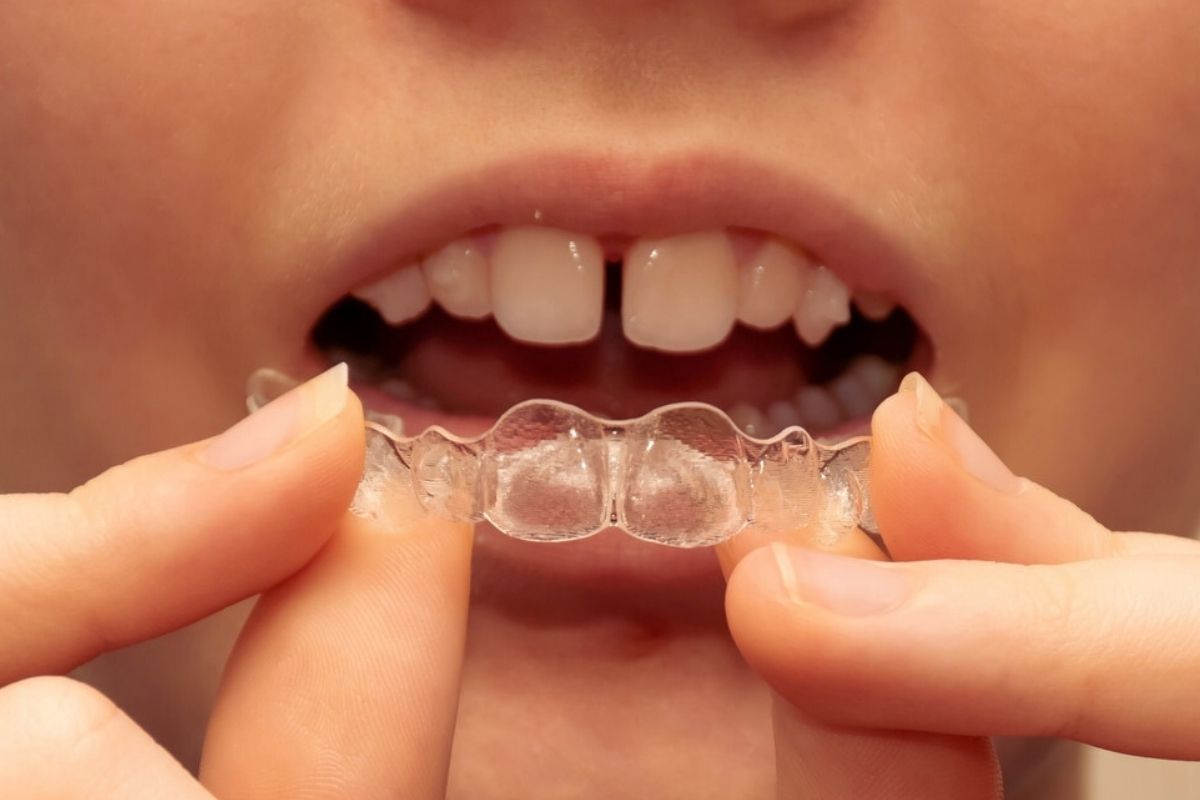
- Clear aligners: Removable transparent trays that gradually reposition teeth for suitable cases.
The most appropriate option depends on your alignment concerns, bite, and treatment goals.
5. Consistency With Orthodontic Instructions
Your participation plays an important role in keeping treatment on schedule.
Missing appointments, repeatedly breaking brackets, or not following appliance-care instructions may interrupt progress. For patients using removable orthodontic appliances, inconsistent wear can also affect the expected timeline.
Following your orthodontic provider’s instructions helps reduce avoidable delays.
6. Overall Oral Health
Healthy teeth and gums provide an important foundation for orthodontic treatment.
Untreated cavities, gum inflammation, or other dental concerns may need attention before or during braces treatment. Maintaining good oral hygiene helps protect your teeth and gums while orthodontic appliances are in place.
What Happens During the Braces Treatment Timeline?
Understanding the different stages of orthodontic treatment can make the process feel more manageable.
Stage 1: Initial Consultation and Examination
Your orthodontic provider evaluates your teeth, bite, and overall oral health. Depending on your needs, this may include dental X-rays, photographs, and other diagnostic records.
Your treatment options and estimated timeline are discussed before treatment begins.
Stage 2: Braces Placement
Once your treatment plan is finalized, brackets are attached to your teeth and connected with an archwire. The wire applies gentle pressure to guide tooth movement over time.
It is normal to experience some temporary soreness or sensitivity after braces are placed.
Stage 3: Regular Adjustments
You will attend periodic appointments so your orthodontic provider can monitor progress and make necessary adjustments.
During this stage, your teeth gradually move toward their planned positions. The frequency of appointments depends on your treatment needs and appliance.
Stage 4: Braces Removal
When your teeth and bite have reached the planned positions, your orthodontic provider can remove the braces.
However, your orthodontic journey does not end there. Retainers are usually recommended to help maintain the results.
Stage 5: Retention and Long-Term Care
After braces are removed, teeth can gradually shift if they are not properly maintained. Wearing your retainer as instructed helps preserve your new alignment.
How Can You Help Keep Your Braces Treatment on Schedule?
Although you cannot control every aspect of tooth movement, good habits can help prevent unnecessary delays.
Consider these practical tips:
- Brush carefully after meals to remove food and plaque around brackets.
- Floss daily using an orthodontic floss threader or another recommended cleaning aid.
- Avoid hard, sticky, and chewy foods that can damage braces.
- Attend scheduled adjustment and progress-check appointments.
- Contact your dental office if a bracket becomes loose or a wire causes discomfort.
- Follow all instructions regarding elastics or other orthodontic appliances.
- Wear retainers as directed after treatment.
Remember, trying to speed up tooth movement without professional guidance can be harmful. Safe, controlled movement is more important than rushing the process.
Is It Worth Getting Braces as an Adult?
Absolutely. Orthodontic treatment is not limited to children and teenagers. Many adults consider braces to address crowded teeth, unwanted gaps, or bite concerns that were never treated earlier in life.
Many adults consider braces to address crowded teeth, unwanted gaps, or bite concerns that were never treated earlier in life. If you are unsure whether you need orthodontic treatment, understanding the signs you need orthodontic treatments, such as crowded teeth, noticeable gaps, or bite alignment problems, can help you recognize when a professional evaluation may be beneficial.
You may have postponed orthodontic treatment because of work, family responsibilities, or concerns about appearance. Modern options, including clear braces and clear aligners for suitable patients, offer different ways to approach treatment.
If you are unsure whether you need orthodontic treatment, an evaluation can help identify alignment or bite concerns and explain the available options.
Where Can You Explore Braces Treatment in Mansfield?
Choosing an orthodontic provider is an important step toward a healthier, more aligned smile. At Picasso Dental & Orthodontics, patients in Mansfield, TX, can explore traditional metal braces, clear braces, and Invisalign options based on their individual needs.
The practice welcomes children, teenagers, and adults and emphasizes discussing treatment options and estimated duration before orthodontic care begins.
Conveniently located at 1811 Hwy 287 N., Suite 160, Mansfield, TX 76063, the practice also serves families from surrounding communities.
If you are exploring braces treatment in Mansfield, take a moment to see what patients are saying about our practice on Google and learn more about their experiences with Picasso Dental & Orthodontics.
Frequently Asked Questions
1. Can braces straighten teeth in six months?
Some patients with minor alignment concerns may qualify for shorter orthodontic treatment lasting around six months. However, this timeline is not suitable for everyone. More complex crowding or bite problems generally require longer treatment.
2. Do adults take longer to straighten their teeth with braces?
Not necessarily. Adults can achieve successful orthodontic results, but treatment duration depends on tooth movement, bite concerns, oral health, and individual biological factors. Age alone does not determine the length of treatment.
3. Do clear braces work faster than metal braces?
Not automatically. Clear braces and traditional metal braces both use controlled pressure to move teeth. Treatment duration depends more on the complexity of your case and your response to treatment than the appearance of the brackets.
4. What happens if I miss my braces adjustment appointment?
Missing an adjustment appointment may delay progress because your orthodontic provider cannot monitor your teeth or make planned changes as scheduled. Contact your dental office to arrange another appointment if you cannot attend.
5. Will my teeth move again after braces are removed?
Teeth can shift over time after braces treatment. This is why retainers are an important part of orthodontic care. Wearing your retainer according to your provider’s instructions helps maintain your alignment.
Start Planning Your Straighter Smile
So, how long do braces take? For many patients, treatment lasts between one and three years, but your individual timeline depends on your dental alignment, bite concerns, and treatment goals. The best way to understand what to expect is through a professional orthodontic evaluation.
At Picasso Dental & Orthodontics, patients in Mansfield, can discuss their orthodontic concerns and explore treatment options suited to their needs. Whether you are considering braces for yourself or your child, the right treatment plan can help you take a confident step toward a straighter smile.
Ready to explore your options? Call Picasso Dental & Orthodontics at (817) 405-2260 or schedule an appointment to discuss braces and orthodontic treatment in Mansfield.