Dental implants are a transformative solution for replacing missing teeth, offering durability and a natural look. However, without dedicated care, the health and longevity of implants can suffer. Dental hygiene practices are crucial to prevent complications that can jeopardize the stability of implants and affect overall oral health. Understanding the impact of poor oral hygiene on implants can help ensure they last for years.
What Are Dental Implants?
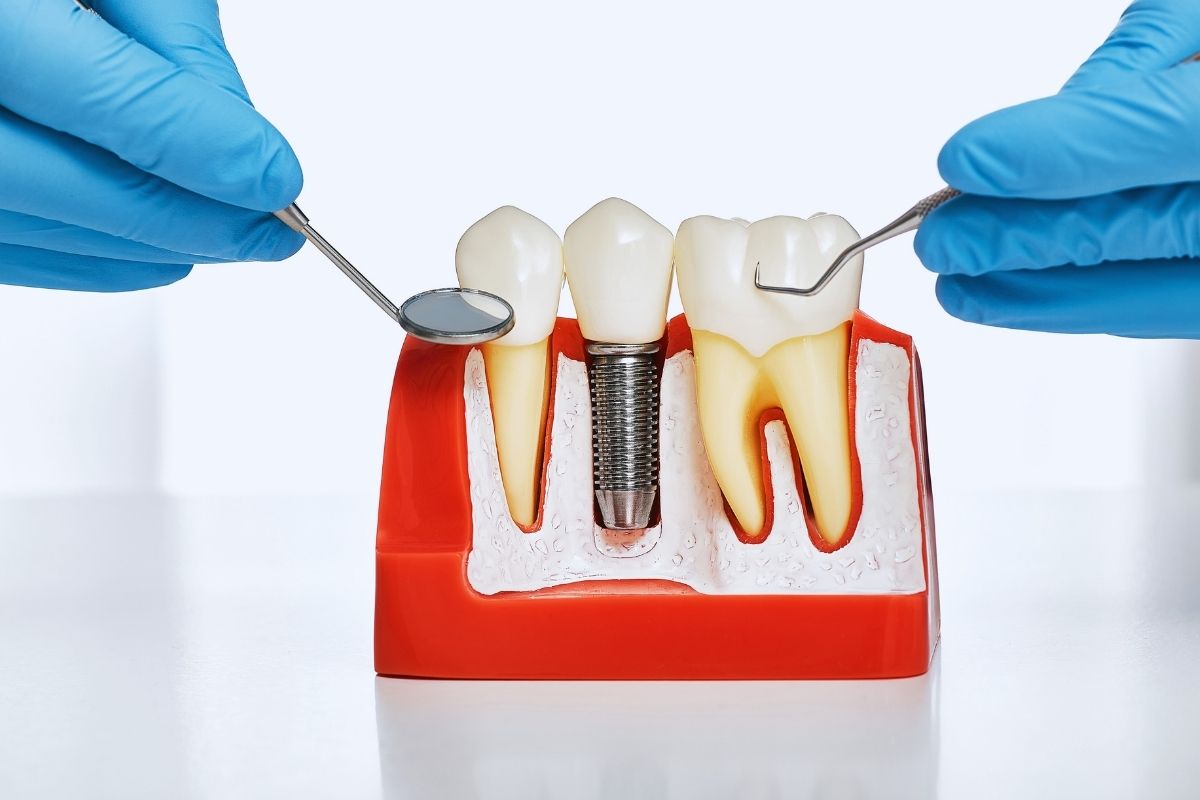
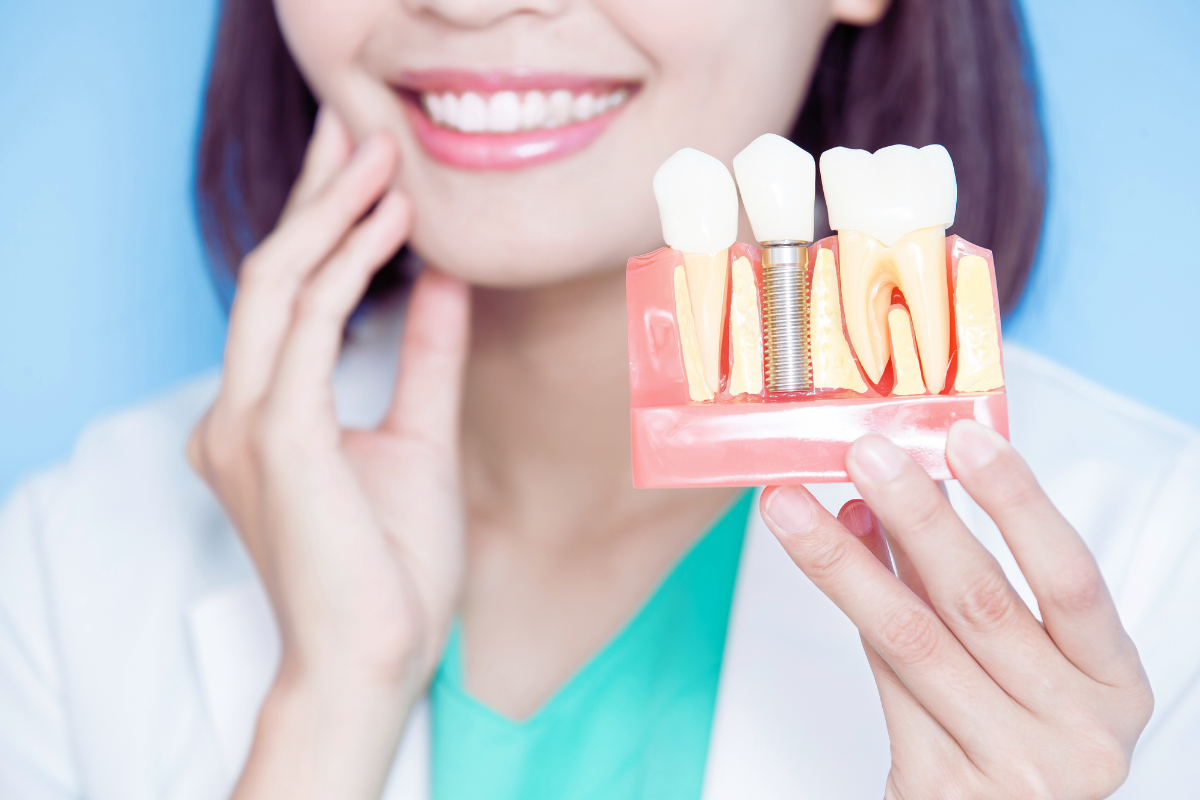
The prosthetic tooth roots, known as dental restorations, are composed of biocompatible materials, usually titanium. Surgically placed into the jawbone, they act as anchors for artificial teeth, bridges, or dentures.
Over time, the implant fuses with the bone, providing a stable foundation for chewing and speaking. This fusion process, known as osseointegration, is vital to the success. Dental Implants are preferred for individuals seeking a long-term solution that closely resembles the function and feel of natural teeth.
How Poor Oral Hygiene Affects Implants?
Maintaining good oral hygiene is essential for the success of prosthetic teeth. A number of issues can arise from poor cleanliness habits, some of which may jeopardize the lifetime and usefulness.
Increased Risk of Peri-Implantitis
Peri-implantitis is an infection of the gum and bone around a dental implant, often caused by bacterial plaque buildup. Like gum disease, this infection can lead to swelling, bleeding, and eventually bone loss around the implant. Peri-implantitis can lead to implant loosening and eventual failure if left untreated. Maintaining regular oral hygiene practices is essential to prevent this risk.
Bone Loss Around the Implant
Bacterial buildup from poor oral hygiene can cause the bone surrounding the implant to deteriorate. This bone loss weakens the stability and reduces the ability to support the prosthetic tooth. Bone health is crucial for implants, as weakened bone structure directly affects their durability.
Gum Tissue Inflammation and Recession
When plaque and bacteria accumulate around the implant area, inflammation and gum recession can occur. Swollen or receding gums may expose the metal structure, leading to sensitivity and potential failure. Unlike natural teeth, implants require clean and healthy gums to avoid issues and support the surrounding tissue.
Compromised Implant Stability
Over time, poor oral hygiene can lead to implant instability. Plaque buildup leads to infections that weaken the gum tissue and the bone holding the tooth implant. As a result, the implant may become loose or even fail, requiring removal or replacement.
Increased Risk of Systemic Health Issues
Infections around implants can introduce bacteria into the bloodstream, leading to systemic health risks. Conditions such as heart disease and diabetes can be exacerbated by bacterial infections in the mouth, including those around dental restorations. Taking proactive measures for dental implant care can help reduce these risks.
Tips for Maintaining Oral Health for Dental Implants
Implant longevity and health are significantly influenced by good dental hygiene habits. Following these tips will help keep your implants in excellent condition:
Continue to Brush and Floss Regularly
Just like natural teeth, implants require thorough brushing and flossing at least twice daily. A soft-bristle toothbrush and non-abrasive toothpaste help remove plaque and prevent gum irritation around the implant. Flossing around the implant helps remove plaque between teeth and along the gumline, protecting against bacteria buildup.
Use Bridge and Implant, Floss
Specialized floss, such as bridge and implant floss, is designed to clean the areas around dental restorations more effectively than regular floss. These types of floss often have a thicker portion that cleans underneath the implant-supported prosthetic or around the bridge. This makes them ideal for patients with implants. This additional step ensures thorough cleaning and reduces the risk of bacteria accumulation.
Keep Your Dental Appliance Clean
Cleaning the dental appliance is crucial for those with implant-supported bridges or dentures. Every day, brush and rinse the device to get rid of any plaque and food residue. This step helps maintain the appearance and hygiene of the appliance while also protecting the gums and implants beneath it. Regular cleaning keeps the gums healthy and helps prevent bacterial growth that could affect the implant area.
Dental implants provide a durable, long-lasting solution for tooth replacement, but their success depends on diligent care. Regular oral hygiene routines, including brushing, flossing, and professional cleanings, are critical in protecting implants from complications. Poor oral hygiene can cause severe implant failures, which can impact dental health.
To keep your dental restorations in optimal condition, consult a dentist near you in Mansfield, Corsicana, and Waxahachie, TX. Schedule an appointment with us to discuss care tips for implants.