
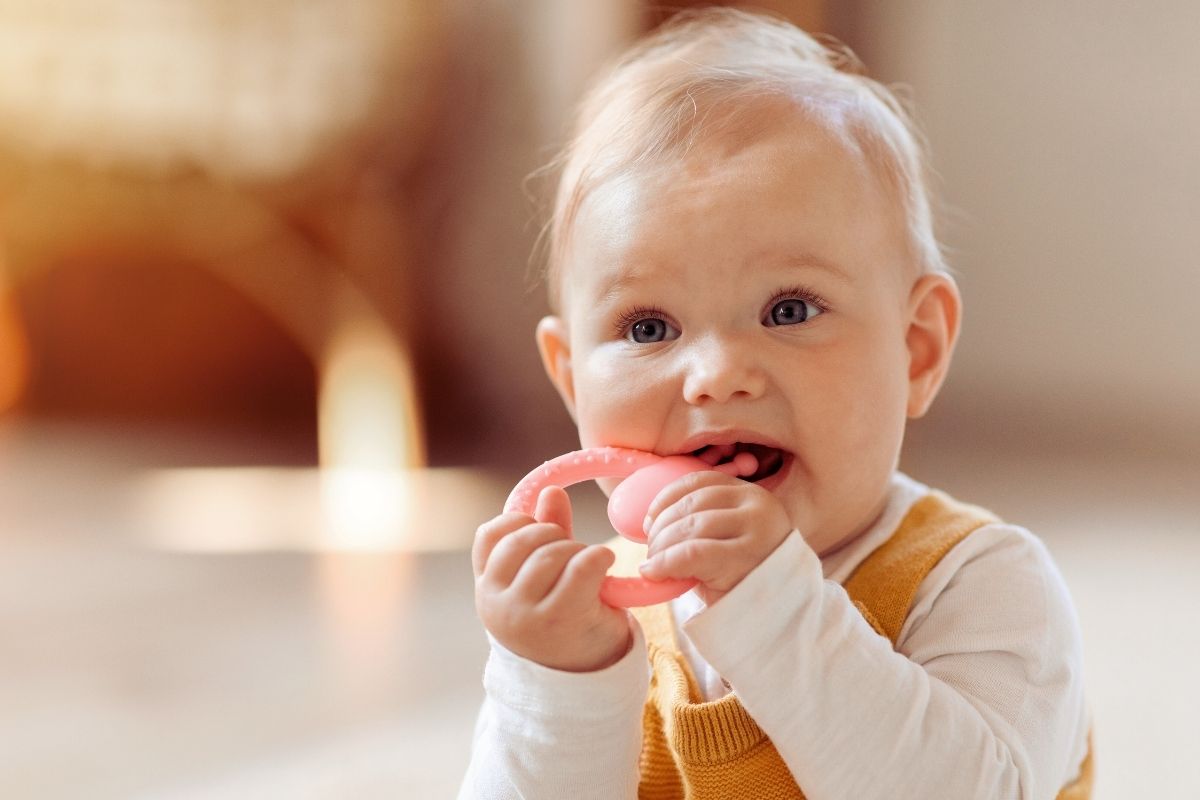
Teething is an important part of your child’s growth, but it can bring challenges for both babies and parents. When new teeth begin to emerge, little ones often feel discomfort and look for relief by chewing on objects. Teething toys are designed to ease that process, but parents often wonder if they could affect the baby’s oral health in the long run.
With the right choices, teething toys can provide safe comfort. Understanding how they work, what risks to avoid, and how to keep them clean ensures that your child’s smile develops in a healthy way.
Recognizing Teething Symptoms
Teething usually starts between 6 and 12 months. During this time, you may notice your baby drooling more than usual, wanting to chew on objects, and showing signs of fussiness. Their gums may appear swollen or tender. These are all normal teething symptoms.
When babies don’t have the right tools for relief, they may reach for unsafe objects that could harm their gums or introduce bacteria. Safe teething toys give them a healthier option.
The Role of Teething Toys in Relief
Teething toys help ease discomfort by applying gentle pressure to sore gums. Many are made with flexible materials that soothe without harming early tooth development. Some can even be chilled in the refrigerator for extra comfort.
By directing chewing to a safe toy, parents can also protect babies from gnawing on items that may cause injury or damage. With thoughtful use, teething toys play a helpful role in kids’ dental care during this stage of growth.
Risks Parents Should Keep in Mind
While teething toys can be safe and effective, not every product supports baby oral health. Being aware of potential risks allows you to make better choices for your child:
Safety of Materials
Toys should be made from food-grade silicone or natural rubber. Avoid products containing BPA, phthalates, or PVC, as these chemicals are not safe for infants.
Choking Hazards
Teething toys must be sturdy and large enough that they cannot fit completely into your child’s mouth. Small parts or breakable designs should always be avoided.
Texture and Hardness
Overly hard toys can place too much pressure on gums and developing teeth. Softer textures are more appropriate for teething pain relief.
Cleanliness
Any toy that spends time in a baby’s mouth needs regular cleaning. Toys that are difficult to sanitize may collect bacteria, which can impact baby oral health.
Choosing Safe Teething Relief
Parents can reduce risks by focusing on well-made, easy-to-clean toys. Look for solid one-piece designs without liquid fillings, as these can leak if punctured. Keeping multiple toys on hand makes it easier to rotate clean options for your child.
Simple home solutions can also provide relief. A chilled washcloth (not frozen), a clean finger for gentle gum massage, or cold soft foods like applesauce (for babies already eating solids) can all soothe sore gums safely.
The Importance of Pediatric Dental Care
Teething is only the beginning of your child’s dental journey. Regular visits to a pediatric dentist allow early monitoring of how teeth are coming in and give parents a chance to ask questions about brushing, fluoride, and kids’ dental care.
If your baby’s first teeth appear later than expected, or if you notice persistent swelling, redness, or anything unusual, it’s a good idea to schedule an evaluation. Early dental visits build comfort with the dental office and set the foundation for a lifetime of healthy habits.
Supporting Your Child’s Smile
At Picasso Dental & Orthodontics, we help parents navigate every stage of their child’s oral health. Our team provides guidance on teething, early dental routines, and long-term kids’ dental care. Scheduling regular visits ensures that your child’s smile develops with the support of professionals who understand their needs. We are located right next to Papa John’s and proudly welcome families from Mansfield and nearby cities.
Call today to schedule your child’s dental checkup with our pediatric dentist at (817) 405-2260.
Conclusion
Teething toys, when chosen carefully, can be a safe and helpful way to ease your baby’s discomfort. Paying attention to materials, size, and cleanliness ensures they support healthy development instead of creating problems. Pairing these choices with early dental care gives your child the best start for strong teeth and a confident smile.
Frequently Asked Questions
Can a teething toy push my baby’s teeth out of alignment?
No. Teething toys are designed to provide gentle relief and will not shift or move your baby’s teeth. Normal chewing pressure from soft, flexible toys does not cause misalignment.
When should my baby have their first dental visit?
The American Academy of Pediatric Dentistry recommends scheduling your baby’s first dental visit by their first birthday or within six months of the first tooth coming in. Early visits help monitor baby’s oral health and guide parents on home care.
What are the signs that my baby is starting to teethe?
Common signs include drooling, fussiness, swollen gums, and a strong desire to chew on objects. Some babies may also experience changes in sleep or appetite during this stage.
