
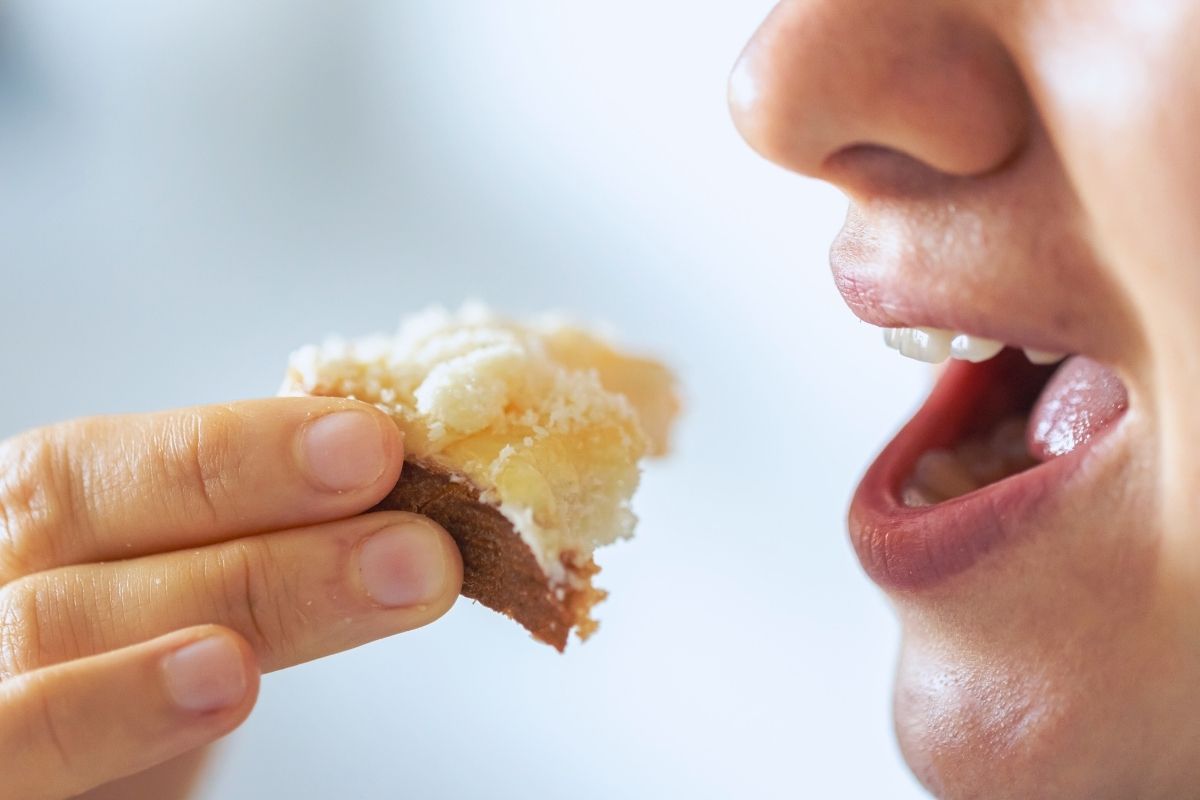
Sugar-free snacks show up everywhere now, from lunch boxes to office drawers to grocery store aisles filled with “better-for-you” options. Many people reach for these products believing they are automatically safer for their teeth simply because they do not contain sugar. It is easy to assume that choosing sugar-free means choosing a healthier path for your smile.
The reality is a little more nuanced. Some sugar-free items support good oral health, while others may still contribute to enamel wear or dryness. Understanding what is truly in these snacks and how they interact with your mouth helps you make the smartest choices for your teeth. At Picasso Dental & Orthodontics, we want our patients to have the facts so they can enjoy their favorite foods with confidence.
What “Sugar-Free” Really Means
Food labels can be misleading if you do not know what to look for. In the United States, a product can be labeled sugar-free if it contains less than 0.5 grams of sugar per serving. This does not mean it contains no sweeteners at all. Many sugar-free products use alternative sweeteners to create familiar flavors without traditional sugar.
Some labels say “no added sugar,” meaning the manufacturer did not add sugar during production, though natural sugars may still be present. “Reduced sugar” simply means there is less sugar than the original version, not that it is sugar-free.
Sugar-free snacks often rely on artificial sweeteners or sugar alcohols. These help reduce sugar content, but they affect teeth differently. Understanding these sweeteners is an important part of protecting your oral health.
Why Traditional Sugars Harm Teeth
It is well known that sugar contributes to tooth decay. Harmful bacteria in the mouth feed on sugar and produce acids that weaken enamel. Once enamel softens, it becomes easier for cavities to form. The process continues long after you finish eating, sometimes lasting twenty minutes or more. If someone snacks on sugary items frequently, their teeth are exposed to prolonged acid attacks.
Reducing traditional sugar is helpful, but not the only consideration. The replacements used in sugar-free items also need to be evaluated.
Are Sugar-Free Snacks Safer for Teeth?
Sugar-free snacks are often promoted as healthier choices, and in many cases, they do reduce the risk of cavities compared to high-sugar foods. However, being sugar-free does not automatically mean tooth-friendly. Many products still contain acidic ingredients or sticky textures that can harm enamel. Others can contribute to dry mouth, which increases the risk of decay.
The overall impact depends on the type of sweetener, how often you consume the item, and your individual oral health. Sugar-free choices are a good step, but not all sugar-free products offer the same benefits.
Sugar Alcohols: The Good, The Neutral, and The Misunderstood
Common Sugar Alcohols Found in Sugar-Free Snacks
- Xylitol
- Sorbitol
- Mannitol
- Erythritol
These ingredients provide sweetness but do not behave like traditional sugar in the mouth.
Dental Effects of Each
Xylitol is one of the best-known sugar alcohols for oral health. When used in appropriate amounts, it can reduce certain harmful bacteria and stimulate saliva flow. Sugar-free gum with xylitol is often a helpful addition to a healthy routine.
Sorbitol is non-cariogenic but can still be slowly fermented by some bacteria over time, especially if consumed frequently. Mannitol and erythritol are generally neutral and do not significantly support or harm teeth on their own.
Not all sugar alcohols offer the same level of protection. Knowing which ones are in your snacks helps you choose options that support your smile.
Hidden Risks of Sugar-Free Snacks
Acidity Levels
Acidity is a major factor in enamel erosion. Many sugar-free drinks and candies contain acidic flavor enhancers, such as citric acid, that lower the pH of your mouth. Diet sodas, flavored sparkling waters, and sour candies can all erode enamel even without sugar.
Sticky Textures
Some sugar-free gummies or hard candies cling to teeth the same way sugary treats do. Sticky residues hold acids near the enamel, increasing the risk of decay.
Frequency of Consumption
Even when sugar is removed, frequent snacking can prevent saliva from neutralizing acids. Frequent snacking, whether sugary or sugar-free, creates conditions that weaken enamel.
Sugar-Free Snacks That Can Be Tooth-Friendly
There are sugar-free options that support healthier oral conditions. Sugar-free gum containing xylitol can be beneficial because it increases saliva production. A well-hydrated mouth is better at neutralizing acids and protecting enamel.
Non-acidic and non-sticky foods are usually the safest choices. Items like cheese, nuts, and plain yogurt are naturally low in sugar and do not cling to teeth. These snack choices complement a healthy oral routine.
Sugar-Free Snacks to Enjoy With Caution
Some sugar-free snacks still expose your teeth to acids or sticky textures. Examples include
Diet sodas
- Sugar-free energy drinks
- Sugar-free sour gummies
- Sticky candies or chews
- Highly processed snacks with acidic preservatives
Even though they do not contain sugar, their acidity or texture can still damage enamel.
How to Choose Better Sugar-Free Snacks
Smart label reading can help you avoid hidden risks. Look for products that contain sugar alcohols and have low levels of acids. Avoid snacks with sticky textures or long ingredient lists full of acidic additives.
Timing also matters. When possible, eat sugar-free snacks with meals so saliva can help buffer acids. Avoid grazing throughout the day, since constant snacking keeps the mouth in an acidic state. Moderation and mindful choices go a long way toward protecting your smile. Even with careful snacking, regular dental visits remain essential for monitoring enamel health and detecting early signs of wear.
Dentist-Approved Tips for Protecting Your Teeth When Eating Sugar-Free Snacks
The following strategies help patients enjoy sugar-free items more safely:
- Rinse your mouth with water after consuming acidic drinks or candies
- Limit all-day snacking or sipping
- Choose snacks during meals instead of between them
- Use sugar-free gum with xylitol to increase saliva flow
- Continue consistent brushing, flossing, and dental visits
Healthy habits help minimize the risks associated with sugar-free products.
When to Seek Professional Dental Guidance
Every smile is unique. Some people have stronger enamel, while others may experience early enamel thinning or dry mouth from medications or lifestyle factors. Even small changes in diet can influence oral health differently from one person to another.
A professional evaluation can help detect early warning signs before they become more serious. As a dentist serving in Mansfield and nearby Texas areas, our team at Picasso Dental & Orthodontics assesses enamel health, gum condition, saliva levels, and snack habits to provide personalized advice. We help patients choose snacks and routines that support their specific oral health needs. Our focus is prevention and long-term dental wellness.
If you have questions about how sugar-free snacks may be affecting your teeth, or if you want to book a routine checkup, contact us and let our team guide you toward a strong, healthy smile.
Common Myths About Sugar-Free Snacks and Dental Health
- Sugar-free does not always mean safe for teeth
- Acidity can damage enamel even when no sugar is present
- Xylitol is helpful, but cannot replace a complete oral care routine
- Eating sugar-free snacks throughout the day still increases the risk of enamel erosion
Understanding the truth behind these myths helps you make better choices.
When Sugar-Free Snacks Can Be Part of a Healthy Oral Routine
Sugar-free items can absolutely fit into a balanced lifestyle. They offer a helpful alternative for people looking to reduce their sugar intake. When combined with mindful snacking habits, proper timing, and regular dental care, sugar-free snacks can support your overall oral health.
Each patient has different needs, so tailored guidance ensures that you get the most benefit from your dietary choices.
Your Takeaway for a Healthier Smile
Sugar-free snacks are popular for good reason. They help reduce sugar intake, but not every sugar-free product is automatically good for your teeth. Acidity, texture, and frequency of use all play major roles in oral health.
A dentist in Mansfield can help you better understand how different snack choices may affect your enamel and overall cavity risk. Our team encourages a balanced approach that includes smart snacking, consistent daily oral care, and routine dental visits. By evaluating your enamel strength and individual risk factors, you can make informed decisions, enjoy snacks in moderation, and maintain a strong, healthy smile over time.
FAQs
Does Drinking Water After Sugar-Free Snacks Help?
Yes. Drinking water is one of the simplest ways to protect your teeth after enjoying sugar-free snacks. Water helps rinse away residue, dilute acids, and support normal saliva function.
Can Sugar-Free Beverages Damage Enamel?
They can. Many sugar-free drinks, including diet sodas, flavored waters, and sports beverages, contain acids that weaken enamel even without sugar. Limiting these beverages and drinking plain water regularly can help reduce enamel erosion.
Should I Talk to My Dentist About My Snacking Habits?
Absolutely. Your snacking routine plays a bigger role in oral health than most people realize. During visits, we review not only your brushing and flossing habits but also how often and what you snack on. This helps us tailor advice based on your enamel strength, saliva flow, and overall dental needs. Open conversations about your daily habits help us guide you more effectively.
Are “No Added Sugar” Snacks the Same as Sugar-Free?
No. “No added sugar” products may still contain natural sugars from ingredients like fruit concentrates, dairy, or grains. These natural sugars can still feed cavity-causing bacteria.
What’s the Best Way to Protect My Teeth If I Enjoy Sugar-Free Treats Daily?
Balance and awareness make the biggest difference. Choose snacks low in acids, avoid constant grazing, drink plenty of water, maintain a strong home care routine, and use fluoride products when appropriate. Regular dental checkups allow us to monitor your enamel, identify early changes, and offer personalized guidance. This combination keeps your smile healthy even if sugar-free treats are part of your daily routine.