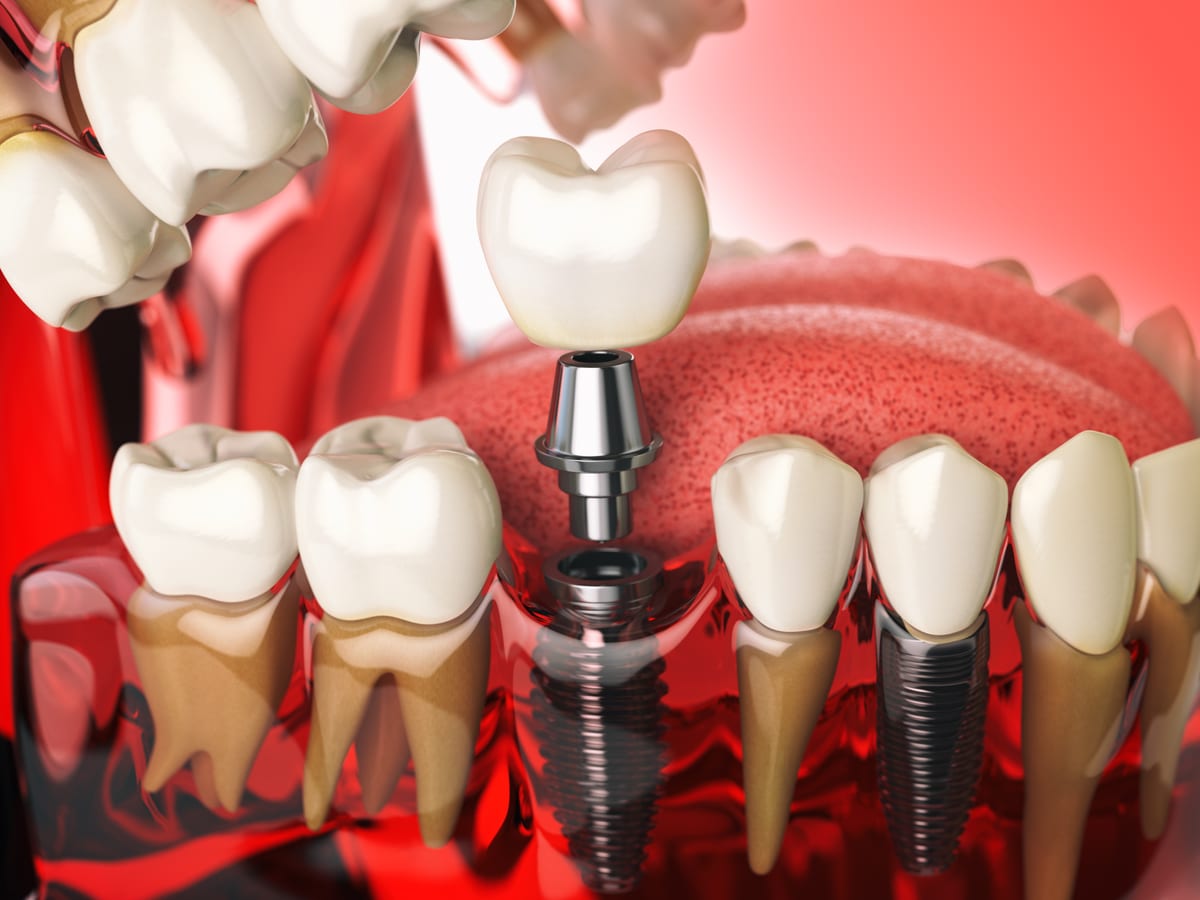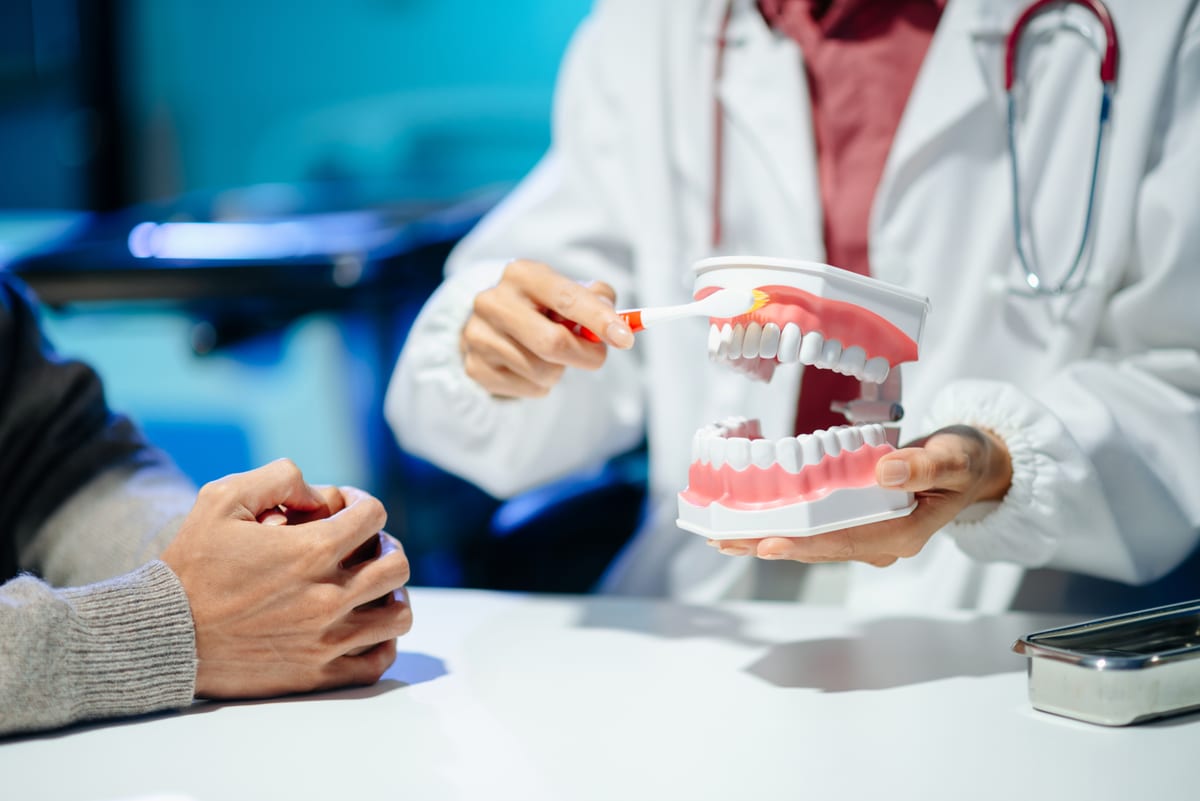
Understanding why bacteria below your gumline causes disease and cleanings stop it in Mansfield is one of the most important things you can do for your health. Most people brush and floss faithfully. Yet gum disease still affects nearly half of adults in the United States. The reason often hides where your toothbrush simply cannot reach — beneath the gumline.
At Picasso Dental & Orthodontics in Mansfield, TX, Dr. Dana Tievsky helps patients understand this invisible threat. Knowledge is your first defense against serious gum problems. Let’s walk through exactly what happens under your gums and how professional cleanings break the cycle.
How Bacteria Below the Gumline Triggers Gum Disease
Your mouth contains hundreds of bacterial species. Most are harmless or even helpful. But certain harmful bacteria thrive in the warm, moist space between your teeth and gums.
When plaque builds up along the gumline, it creates a perfect shelter for these bacteria. They attach to tooth roots and multiply rapidly. Your immune system responds with inflammation — which is the earliest sign of gum disease, called gingivitis.
Left untreated, the bacteria burrow deeper into the gum pocket. This deeper stage is called periodontitis. At this point, the infection can damage the bone and tissue that hold your teeth in place. Tooth loss becomes a real risk.
- Bacteria produce toxins that irritate gum tissue directly
- Your immune response causes swelling, redness, and bleeding
- Infected pockets deepen over time, trapping more bacteria
- Bone loss occurs silently, often without pain
- Systemic health links include heart disease, diabetes, and more
Why Brushing and Flossing Alone Are Not Enough in Mansfield
Brushing twice daily is essential. Flossing removes debris from between teeth. But neither tool can fully reach bacteria that live 2–5 millimeters below your gumline.
Plaque hardens into tartar (also called calculus) within 24–72 hours. Once hardened, no amount of brushing will remove it. Tartar acts like a rough scaffold where more bacteria cling and grow.
This is the critical gap that professional cleanings fill. Dental hygienists use specialized instruments called scalers to safely remove tartar from below the gumline. This process is not something you can replicate at home.
Regular home care slows bacterial buildup significantly. But it does not eliminate the cycle completely. Professional cleanings are the only reliable way to interrupt that cycle at its source.
What Happens During a Professional Cleaning That Stops the Cycle
A professional cleaning at Picasso Dental & Orthodontics is more than a simple polish. It is a targeted procedure designed to remove the bacteria and tartar your daily routine misses.
Here is what you can expect during a standard cleaning visit:
- Examination: Dr. Tievsky or our hygienist evaluates your gum health and pocket depths.
- Scaling: Tartar is carefully removed from above and below the gumline using precision instruments.
- Root planing: If needed, tooth root surfaces are smoothed to discourage future bacterial attachment.
- Polishing: A gentle polish removes surface stains and leaves teeth feeling clean.
- Rinsing: An antimicrobial rinse may be used to further reduce bacterial load.
For patients with early gum disease, a deeper cleaning called scaling and root planing targets pockets where infection has advanced. This procedure is performed with local anesthetic for your comfort. It gives the gum tissue a clean environment to heal and reattach.
Consistent cleanings every six months — or more frequently if you have active gum disease — keep bacterial populations manageable. They also give our team a chance to catch problems early before they escalate.
The Serious Health Consequences of Ignoring Subgingival Bacteria in Mansfield
Gum disease is not just a dental problem. Research consistently links chronic gum infection to serious systemic conditions. Understanding these connections can motivate better care.
Bacteria from infected gum pockets can enter the bloodstream. Once circulating, they trigger inflammatory responses throughout the body. This inflammation contributes to cardiovascular disease, worsening diabetes control, and complications during pregnancy.
- Heart disease: Gum bacteria have been found in arterial plaques
- Diabetes: Gum disease makes blood sugar harder to control
- Respiratory illness: Inhaled oral bacteria can affect lung health
- Pregnancy complications: Periodontal disease is linked to preterm birth
- Cognitive health: Emerging research connects gum bacteria to dementia risk
These are compelling reasons to take your biannual cleaning appointments seriously. Protecting your gums means protecting far more than your smile.
Patients at Picasso Dental & Orthodontics also benefit from comprehensive restorative care when gum disease has already caused damage. Whether you need Fillings Tooth Colored Fillings Mansfield to address decay that developed alongside gum problems, or other restorative solutions, our team coordinates your full-mouth health plan. For patients interested in alignment treatment alongside gum care, we also offer Invisalign Invisalign Teen Mansfield as part of our comprehensive services.
How Often Should Mansfield Patients Schedule Cleanings?
The standard recommendation is a professional cleaning every six months. This schedule works well for most patients with healthy gums. However, your personal risk factors may require more frequent visits.
Dr. Tievsky assesses several factors to determine your ideal cleaning schedule. These include your current gum pocket depths, your history of gum disease, smoking status, and systemic health conditions like diabetes.
Patients with active or treated periodontitis often benefit from cleanings every three to four months. This more frequent schedule keeps bacterial populations below the threshold where tissue damage occurs. It also allows our team to monitor healing progress closely.
Think of professional cleanings as routine maintenance — not a luxury. Just as your car needs oil changes to prevent engine damage, your gums need regular professional care to prevent irreversible bone loss.
Taking Action to Protect Your Gum Health
Gum disease is largely preventable. The combination of strong daily habits at home and consistent professional care creates a powerful defense. Dr. Dana Tievsky and the team at Picasso Dental & Orthodontics in Mansfield are here to support every step of that process.
If you have noticed bleeding gums, persistent bad breath, or gum tenderness, these are warning signs worth addressing quickly. Early intervention is always more effective — and more comfortable — than treating advanced disease.
Do not wait until gum disease becomes painful or visible. Schedule your professional cleaning today and let our team give you a thorough evaluation. Book Now to schedule your appointment with our team.
Frequently Asked Questions
How do I know if I have bacteria below my gumline?
You may not know without a professional exam. Common signs include bleeding during brushing, swollen or red gums, persistent bad breath, and gum tenderness. Dr. Tievsky uses a small probe to measure gum pocket depths, which reveals where bacterial buildup has occurred. Early-stage gum disease often causes no pain, making regular checkups essential for detection.
What is the difference between a regular cleaning and a deep cleaning?
A regular cleaning removes plaque and tartar from above and just below the gumline. A deep cleaning — called scaling and root planing — targets bacteria and tartar in deeper pockets, often 4 millimeters or more below the gumline. Deep cleanings are typically performed in quadrants with local anesthetic and are recommended when gum disease has progressed beyond gingivitis.
Can gum disease be reversed completely?
Gingivitis, the earliest stage, is fully reversible with professional cleaning and improved home care. Once gum disease progresses to periodontitis and bone loss occurs, that damage cannot be undone. However, the disease can be successfully managed and stabilized. Regular cleanings and good daily habits prevent further progression and protect the remaining bone and tissue.
How long does a professional cleaning take at Picasso Dental?
A standard cleaning appointment typically takes 45–60 minutes. This includes time for examination, scaling, polishing, and any necessary X-rays. Deep cleaning appointments may take longer and are often scheduled in two separate visits, treating one side of the mouth at a time. Our team works efficiently while ensuring your complete comfort throughout the visit.
Is gum disease really connected to heart disease?
Yes, research strongly supports this connection. The same bacterial strains found in infected gum pockets have been identified inside arterial plaques. Chronic gum inflammation also elevates systemic inflammatory markers associated with cardiovascular risk. While gum disease is not the sole cause of heart disease, treating it is considered part of a comprehensive approach to overall health management.