
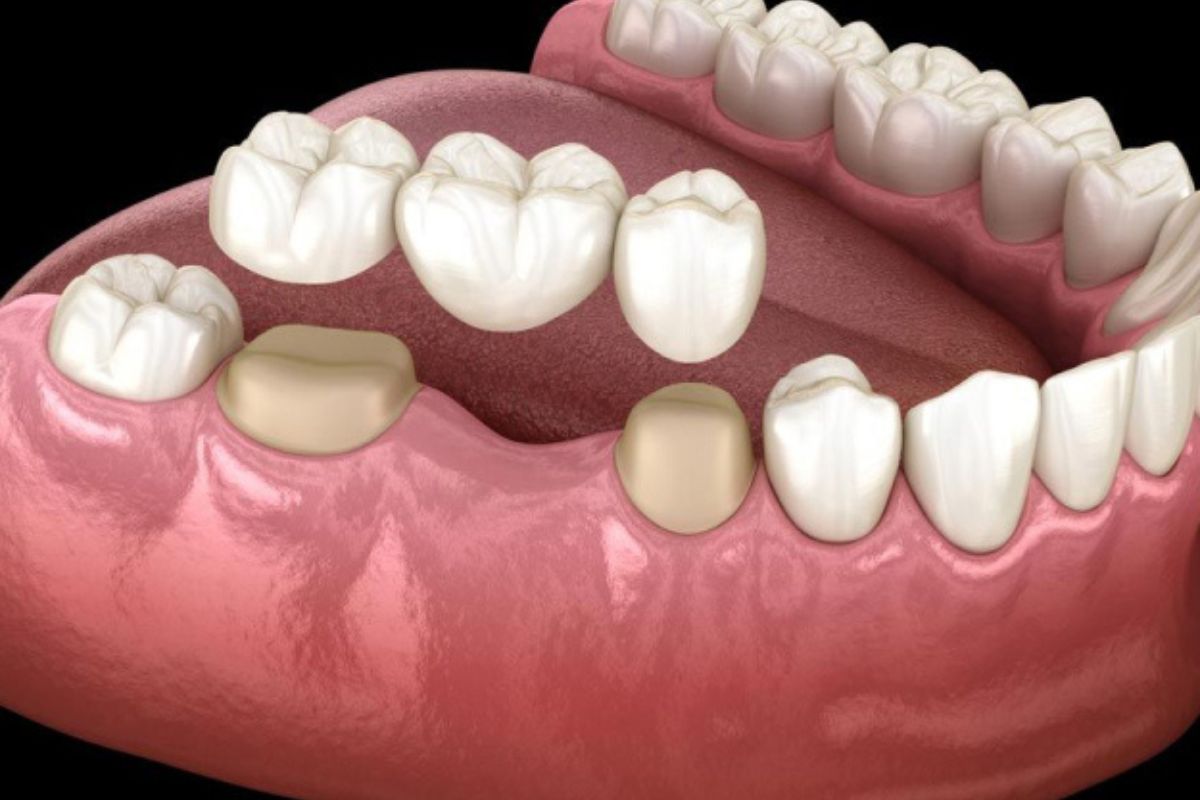
Missing a tooth can affect more than your smile. It may make chewing less comfortable, change the way your teeth fit together, and leave you feeling less confident. A dental bridge is one option for replacing a missing tooth, helping restore the appearance and function of your smile. But before choosing this treatment, many patients have an important question: How long do dental bridges last?
The answer depends on several factors, including the type of bridge, your oral hygiene habits, and the health of the teeth supporting the restoration. If you’re considering a dental bridge in Corsicana, understanding its expected lifespan and how to care for it can help you make an informed decision. Picasso Dental & Orthodontics can help you explore your options and understand what maintaining a dental bridge may involve.
How Long Do Dental Bridges Last?
Dental bridges typically last between 5 and 15 years, although some can remain functional for longer with appropriate care and regular dental monitoring. There is no guaranteed lifespan because every patient’s mouth, bite, and oral health are different.
A bridge replaces one or more missing teeth by using artificial teeth, called pontics, supported by neighboring teeth or dental implants, depending on the design. Traditional bridges generally rely on crowns placed over supporting teeth, while implant-supported bridges attach to dental implants.
Several factors influence how long a bridge lasts, including the materials used, the condition of the supporting teeth, daily cleaning habits, and whether the restoration experiences excessive pressure.
The most important takeaway is that a dental bridge can last many years, but its longevity depends on both the restoration and the health of the surrounding mouth.
What Factors Affect the Lifespan of a Dental Bridge?
Although dental bridges are designed to withstand everyday chewing, they are not indestructible. Understanding the factors that affect their longevity can help you protect your investment in your smile.
1. Oral Hygiene Habits
Good oral hygiene is essential for maintaining a dental bridge. Food particles and plaque can collect around the bridge, particularly where the artificial tooth meets the gumline and underneath the pontic.
When plaque is not removed effectively, it can contribute to gum inflammation, decay in supporting natural teeth, and other problems that may compromise the restoration.
Brush twice daily with fluoride toothpaste, clean between your natural teeth, and use an appropriate method to remove debris beneath the bridge.
2. The Health of Supporting Teeth and Gums
Traditional dental bridges rely on neighboring teeth for support. If those teeth develop cavities, fractures, or gum disease, the bridge may become unstable or require replacement.
Healthy gums are equally important because gum disease can damage the tissues and bone supporting natural teeth. Patients with a history of gum problems should discuss an appropriate maintenance schedule with their dentist.
3. Bridge Materials and Design
Dental bridges can be made from different materials, including porcelain, ceramic, and metal-based options. The most appropriate choice depends on the location of the missing tooth, chewing forces, appearance preferences, and clinical considerations.
Your dentist can explain the advantages and limitations of different materials and recommend a restoration suited to your needs.
4. Grinding or Clenching Your Teeth
Habitual teeth grinding, also called bruxism, can place excessive pressure on a bridge. Over time, this force may contribute to chipping, cracking, or damage to the supporting teeth.
If you wake up with jaw soreness, experience frequent headaches, or notice unusual tooth wear, discuss these symptoms with your dentist. A custom night guard may be recommended when appropriate.
5. Everyday Eating Habits
Dental bridges are made for normal chewing, but repeatedly biting hard objects or chewing ice can damage the restoration.
Sticky foods may also place additional stress on certain bridges. You generally do not need to avoid every firm or chewy food, but sensible eating habits can reduce unnecessary pressure on your restoration.
How to Make Your Dental Bridge Last Longer
A few consistent habits can help protect your bridge and support the health of your remaining teeth.
Brush Twice a Day
Use a soft-bristled toothbrush and fluoride toothpaste to clean all tooth surfaces, including the areas near the bridge. Pay particular attention to the gumline, where plaque can accumulate.
Avoid aggressive brushing. Gentle, thorough cleaning is more helpful than applying excessive pressure.
Clean Underneath the Bridge
One of the most important parts of bridge maintenance is cleaning beneath the artificial tooth. A regular toothbrush may not reach this area effectively.
Depending on your bridge design, useful cleaning tools may include:
- Floss threaders: Help guide dental floss beneath the bridge.
- Super floss: Can help clean around restorations and under artificial teeth.
- Interdental brushes: May help clean accessible spaces when appropriately sized.
- Water flossers: Can help flush away food debris and support an oral hygiene routine.
Ask your dentist or hygienist to demonstrate the safest and most effective technique for your particular bridge.
Schedule Regular Dental Checkups
Routine dental visits allow your dentist to examine the bridge, check the supporting teeth and gums, and look for signs of wear or damage.
Your recommended recall schedule will depend on your oral health and individual risk factors. Professional cleanings and examinations can help identify developing problems before they become more complicated.
Avoid Using Your Teeth as Tools
Do not use your teeth to open packaging, bite fingernails, or tear objects. These habits can place unnecessary pressure on both natural teeth and dental restorations.
If you grind your teeth, ask your dentist whether additional protection may be beneficial.
Address Dental Problems Early
Pain, swelling, bleeding gums, a change in your bite, or a bridge that feels loose should not be ignored. These symptoms may indicate a problem with the restoration or the surrounding tissues.
Contact your dental office for an evaluation rather than attempting to adjust or repair the bridge yourself.
What Are the Signs That a Dental Bridge Needs Replacement?
A dental bridge does not necessarily need replacing simply because it has been in place for several years. Its condition and the health of the supporting structures matter more than age alone.
However, certain warning signs deserve attention.
Watch for the following:
- A bridge that moves, rocks, or feels loose.
- Cracks, chips, or visible damage to the restoration.
- Persistent discomfort when biting or chewing.
- New sensitivity in a supporting tooth.
- Swollen, tender, or bleeding gums around the bridge.
- Food repeatedly becoming trapped around the restoration.
- A noticeable change in how your teeth fit together.
These symptoms do not automatically mean the bridge must be replaced. Depending on the cause and severity, your dentist may recommend monitoring, repair, adjustment, or replacement.
Seek prompt dental care if you develop significant pain or swelling. Facial swelling accompanied by difficulty breathing or swallowing requires emergency medical attention.
Can a Dental Bridge Be Repaired Instead of Replaced?
In some situations, a dentist may be able to repair a damaged bridge or address a problem affecting its supporting teeth. The appropriate treatment depends on the location and extent of the damage, the condition of the restoration, and whether the supporting teeth remain healthy.
For example, a minor problem may be manageable without replacing the entire bridge. However, significant structural damage, recurrent decay affecting supporting teeth, or a restoration that no longer fits properly may require a new treatment plan.
Your dentist will examine the bridge and surrounding tissues before recommending the next step. Never attempt to glue a loose bridge back into place with household adhesives, as these products are not intended for dental use.
Is a Dental Bridge Still a Good Option for Replacing Missing Teeth?
A dental bridge can be a practical way to replace a missing tooth or several missing teeth in a row. It can restore the appearance of your smile and help improve chewing function without requiring a removable appliance.
However, it is not the only option. Depending on your oral health, the number of missing teeth, and the condition of the surrounding bone and teeth, alternatives may include a dental implant or a removable partial denture.
Each option has different maintenance requirements, benefits, and limitations. A traditional bridge may require preparation of the supporting teeth, while an implant-based solution involves a surgical procedure and healing period.
If you are exploring tooth replacement in Corsicana, the team at Picasso Dental & Orthodontics can discuss the available approaches and help you understand which factors matter most for your situation.
Frequently Asked Questions About Dental Bridge Longevity
1. Can a dental bridge last 20 years?
Yes, some dental bridges remain functional for 20 years or longer, but this is not guaranteed. Longevity depends on the bridge’s design, the condition of supporting teeth and gums, oral hygiene, bite forces, and ongoing dental care.
2. Does a dental bridge need to be replaced every 10 years?
No. Ten years is not a mandatory replacement deadline. Some bridges need attention earlier, while others remain in good condition much longer. Your dentist can evaluate the fit, structural integrity, and supporting teeth to determine whether replacement is necessary.
3. Can a dental bridge decay?
The artificial tooth itself cannot develop tooth decay because it is not natural tooth structure. However, the natural teeth supporting a traditional bridge can develop cavities, particularly around the edges of the crowns. Plaque buildup can also contribute to gum disease around the restoration.
4. How do I clean beneath a dental bridge?
You can often use a floss threader, specialized bridge floss, or a water flosser to clean beneath the artificial tooth. The best method depends on your bridge design and the spaces around it. Ask your dental team to demonstrate the appropriate technique.
5. What should I do if my dental bridge becomes loose?
Contact your dentist promptly, even if the bridge is not painful. A loose bridge may indicate a problem with the supporting teeth, cement, or restoration. Avoid chewing on that side if possible, and do not try to secure the bridge with household glue.
Maintain Your Smile With the Right Dental Bridge Care
So, how long do dental bridges last? Many last 5 to 15 years, and some last considerably longer. Consistent oral hygiene, careful eating habits, regular dental visits, and early attention to problems can all contribute to a longer-lasting restoration.
The right maintenance plan also depends on the type of bridge you have and the condition of your supporting teeth and gums.
If you have a missing tooth, an existing bridge that needs attention, or questions about your tooth replacement options, Picasso Dental & Orthodontics is a local resource for discussing your dental needs. Visit the practice’s dental bridge service page to explore treatment information, or schedule an appointment to discuss your options with the dental team.
With appropriate care and regular professional monitoring, you can take meaningful steps toward protecting your restoration and maintaining a healthy smile.
