
Missing teeth can affect more than your appearance. They may make chewing uncomfortable, change the way you speak, and leave you feeling less confident about your smile. If you have lost a tooth because of decay, gum disease, or an injury, you may be exploring ways to replace it.
Dental implants offer a stable option for replacing missing teeth, but they are not suitable for everyone. Eligibility depends on factors such as gum health, jawbone support, medical history, and your ability to heal after treatment.
If you are considering treatment, speaking with an implant dentist in Mansfield can help you understand your options and determine what may work for your needs. At Picasso Dental & Orthodontics, patients in Mansfield, can explore implant treatment through a personalized evaluation and a discussion of their tooth-replacement goals.
Quick Answer: Who Qualifies for Dental Implants?
You may be a good candidate for dental implants if you:
- Have one or more missing teeth.
- Have healthy gums or are willing to treat existing gum disease.
- Have enough jawbone to support an implant, or may be able to receive bone grafting if needed.
- Are in suitable general health for the procedure and healing process.
- Can maintain good oral hygiene and attend regular dental appointments.
These are general guidelines, not a guarantee of eligibility. Your dentist will assess your individual circumstances before recommending treatment.
1. You Have One or More Missing Teeth
Dental implants can replace a single missing tooth, several missing teeth, or support a full-arch restoration for patients missing most or all of their teeth.
You might consider implants if you have:
- Lost a tooth because of extensive decay or infection.
- Experienced tooth loss following an accident or injury.
- Several missing teeth that make eating difficult.
- Loose or uncomfortable dentures.
- A desire for an alternative to a traditional dental bridge.
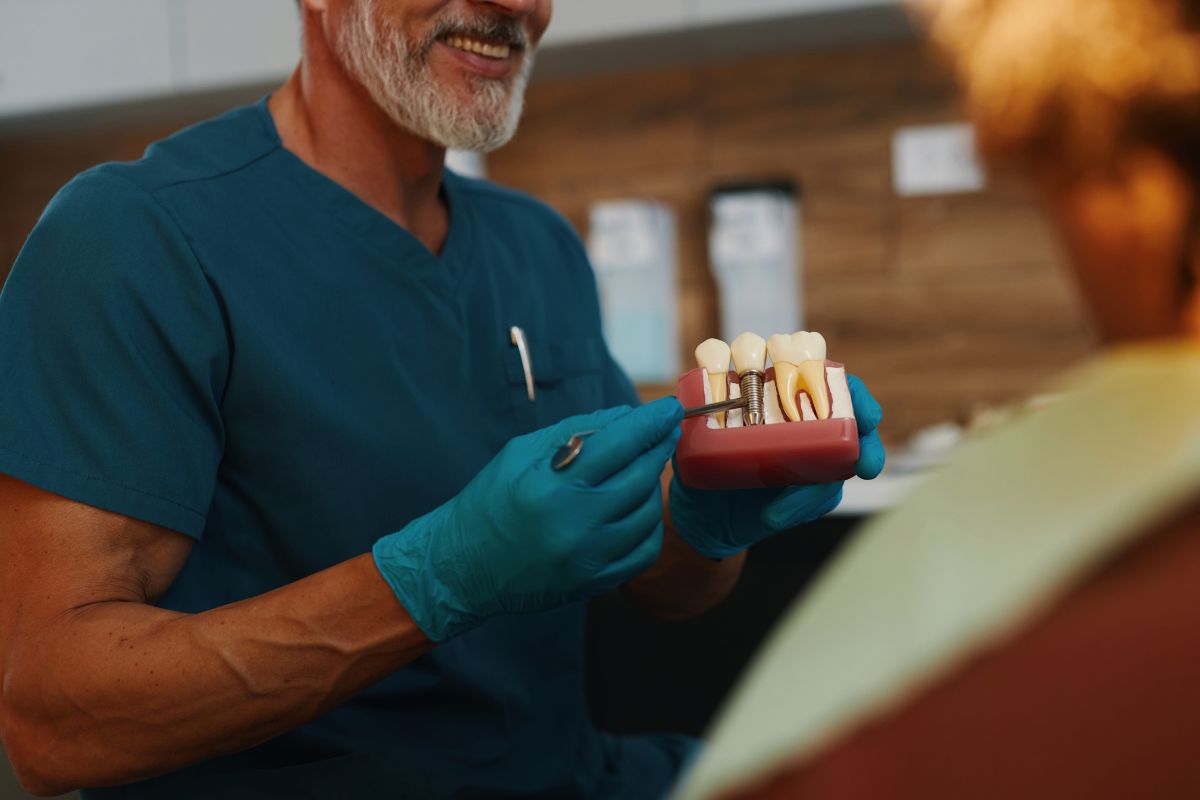
An implant acts as an artificial tooth root. After it integrates with the jawbone, a dentist can attach a suitable restoration, such as a crown, bridge, or denture.
The right approach depends on how many teeth are missing, the condition of the remaining teeth, and your overall oral health.
2. Your Gums Are Healthy or Can Be Treated
Healthy gums are an important part of successful implant treatment. Active gum disease can damage the tissues and bone that support teeth, potentially increasing the risk of complications around an implant.
If you have bleeding gums, persistent bad breath, gum tenderness, or a history of periodontal disease, discuss these concerns during your dental evaluation.
Does gum disease automatically disqualify you from dental implants? No. Many patients can still be considered after gum disease has been treated and their condition is stable. Your dentist may recommend periodontal treatment and ongoing maintenance before moving forward.
Keeping your gums healthy after implant placement is equally important. Daily brushing, cleaning between your teeth, and regular professional checkups help support the health of the surrounding tissues.
3. You Have Enough Jawbone to Support an Implant
Dental implants need adequate bone for support. After a tooth is lost, the jawbone in that area can gradually shrink because it no longer receives stimulation from the tooth root.
Your dentist will evaluate the amount and quality of bone available at the proposed implant site. This assessment may include dental X-rays and, when appropriate, three-dimensional imaging.
What if you have bone loss?
Bone loss does not always mean implants are out of reach. Depending on your situation, a dentist or oral surgeon may recommend a bone graft to build up the area before implant placement.
Bone grafting can add time and complexity to treatment, and it is not appropriate for every patient. Your evaluation will help determine whether additional procedures are needed or whether another tooth-replacement option makes more sense.
4. Your General Health Supports Healing
Your overall health can affect how well you recover after implant surgery. Certain medical conditions, medications, and lifestyle habits may influence healing or increase the risk of complications.
For example:
- Diabetes: Uncontrolled blood sugar can interfere with healing. Your dentist may coordinate with your medical provider when necessary.
- Smoking and tobacco use: These can impair healing and increase the risk of implant complications.
- Certain medications: Some medications affect bone metabolism, immunity, or healing. Tell your dentist about all prescription medicines, over-the-counter drugs, and supplements you take.
- Conditions affecting immunity or bone health: These may require additional assessment and coordination with your healthcare team.
Having a medical condition does not automatically rule out implants. The important question is whether the procedure can be planned safely and whether your individual risk factors can be appropriately managed.
Never stop a prescribed medication on your own to prepare for dental treatment.
5. You Can Maintain Your Implant and Oral Health
Dental implants are not a maintenance-free solution. Although the replacement tooth cannot develop a cavity, the gum tissue and bone around the implant can still become inflamed or damaged.
Good candidates should be prepared to:
- Brush twice daily with a soft-bristled toothbrush.
- Clean between teeth and around the implant as recommended.
- Attend routine dental examinations and professional cleanings.
- Follow post-operative instructions during recovery.
- Avoid tobacco and address habits that may interfere with healing.
If you have difficulty maintaining oral hygiene because of dexterity issues or other challenges, discuss this with your dental team. They can help you explore practical cleaning methods and decide whether implants are a suitable option.
6. Are There Age Requirements for Dental Implants?
Dental implants are generally considered for adults whose jaw growth is complete. There is no single upper age limit that automatically prevents someone from receiving implants. Overall health, bone support, gum condition, and the ability to heal are usually more important than age alone.
For younger patients, a dentist must determine whether facial and jaw development is complete before considering implant placement. Placing an implant too early can create problems as the jaw continues to grow.
Older adults may also qualify, provided their individual health and oral conditions support treatment.
7. When Might Dental Implants Not Be the Best Option?
Implants may need to be delayed or may not be recommended if you have untreated gum disease, insufficient bone that cannot be adequately addressed, uncontrolled medical conditions, or other factors that make surgery too risky.
That does not mean you have to live with missing teeth. Depending on your needs, alternatives may include a traditional bridge or removable dentures.
If you are weighing these choices, read our guide to dental implants vs. dentures to understand how the options differ in stability, maintenance, and treatment requirements.
The best solution is the one that fits your oral health, preferences, budget, and long-term goals.
What Happens During a Dental Implant Consultation?
Your first consultation helps establish whether implants are appropriate for you. At Picasso Dental & Orthodontics in Mansfield, the process may include:
- Reviewing your health history: Discuss previous dental treatment, medical conditions, medications, and tobacco use.
- Examining your mouth: The dentist checks your gums, remaining teeth, bite, and the area where a tooth is missing.
- Assessing your jawbone: Dental imaging may be needed to evaluate bone support and plan treatment.
- Discussing your options: Your dental team explains potential treatment stages, healing considerations, alternatives, and expected costs.
- Creating a treatment plan: If implants are appropriate, the plan may involve coordination with an oral surgeon and later placement of the replacement tooth.
Treatment timelines vary. Some patients need additional procedures or healing time before the final restoration can be placed. Ask your dentist what to expect in your specific case.
Frequently Asked Questions
Can I get dental implants if I have bone loss?
Possibly. Some patients with insufficient jawbone may qualify after bone grafting or another appropriate procedure. Your dentist will evaluate the location and extent of bone loss before recommending treatment.
Are dental implants painful?
Implant placement is typically performed with anesthesia to manage discomfort during the procedure. Some soreness, swelling, or tenderness can occur afterward. Your dental team will explain how to manage recovery and when to contact the office about unexpected symptoms.
How long does dental implant treatment take?
Treatment may take several months because the implant needs time to integrate with the jawbone before the final restoration is attached. Bone grafting, gum treatment, and other individual factors can extend the timeline.
Can smokers get dental implants?
Smoking does not automatically disqualify someone, but it can increase the risk of healing problems and implant complications. Tell your dentist about tobacco use and ask how stopping or reducing it before and after treatment could improve your prospects.
Are dental implants better than dentures?
Neither option is best for everyone. Implants are fixed in place or can support certain removable restorations, while conventional dentures are removable. Cost, bone health, medical history, maintenance, and personal preference all help determine which option is appropriate.
Conclusion
So, who is a candidate for dental implants? If you have missing teeth, healthy or treatable gums, adequate jawbone support, and a health profile that supports healing, implants may be worth exploring. Even if you have bone loss, gum disease, or certain medical conditions, you may still have options after an appropriate evaluation.
At Picasso Dental & Orthodontics, we help patients in Mansfield, TX, understand their tooth-replacement options and make informed decisions about their oral health. Our team can assess your needs, explain the treatment process, and discuss whether implants or an alternative may be right for you.
Ready to take the next step? Contact Picasso Dental & Orthodontics at (817) 405-2260 or schedule a dental appointment to discuss your options for dental implants in Mansfield.


