Losing a tooth can affect much more than your appearance. Over time, the jawbone beneath the missing tooth may begin to shrink, making tooth replacement more complicated. Many patients in Mansfield and nearby communities such as Arlington, Midlothian, and Burleson are surprised to learn that bone loss can influence long-term oral health and future treatment options. Fortunately, advances in modern dentistry have made it possible for many people with reduced jawbone density to still qualify for dental implants in Mansfield. Understanding why bone loss happens and what solutions may help can make the process feel far less overwhelming.
Why Jawbone Strength Matters for Tooth Replacement
Your jawbone plays an important role in keeping teeth stable and maintaining facial structure. Natural tooth roots stimulate the bone every time you chew or bite. When a tooth is lost, that stimulation disappears, and the bone in that area can slowly deteriorate.
This process is called bone resorption. It often begins shortly after tooth loss and may continue for years if the missing tooth is not replaced. As the bone shrinks, nearby teeth can shift, and the shape of the face may gradually change.
For patients considering tooth replacement, healthy bone provides the support needed for long-term stability. Without enough bone volume, placing an implant securely may become more challenging.
Common Reasons Bone Loss Develops
Bone loss can happen for several reasons, and many people are unaware it is occurring until they visit the dentist for an evaluation.
Missing Teeth for an Extended Time
When teeth are missing for months or years, the jaw no longer receives the stimulation needed to maintain bone density. The longer the tooth remains unreplaced, the more likely bone shrinkage becomes.
Advanced Gum Disease
Periodontal disease damages both the gums and the supporting bone around teeth. If left untreated, infection and inflammation may destroy significant portions of the jawbone.
According to the American Dental Association, maintaining healthy gums is essential for preserving long-term oral health and preventing complications that may affect tooth replacement options.
Injury or Trauma
An accident involving the mouth or jaw can damage bone tissue. Even after healing, the area may lose density over time.
Certain Medical Conditions
Conditions that affect healing or bone health, including osteoporosis and uncontrolled diabetes, may contribute to reduced bone strength in the jaw.
Signs That Bone Loss May Be Present
Bone loss often develops gradually and may not cause discomfort in the early stages. However, some warning signs can include:
- Loose teeth
- Changes in facial appearance
- Difficulty wearing dentures comfortably
- Gum recession
- Shifting teeth
- Jaw tenderness
Regular dental examinations and imaging help detect these changes before they become more severe.
Why Implant Placement Can Become More Complex
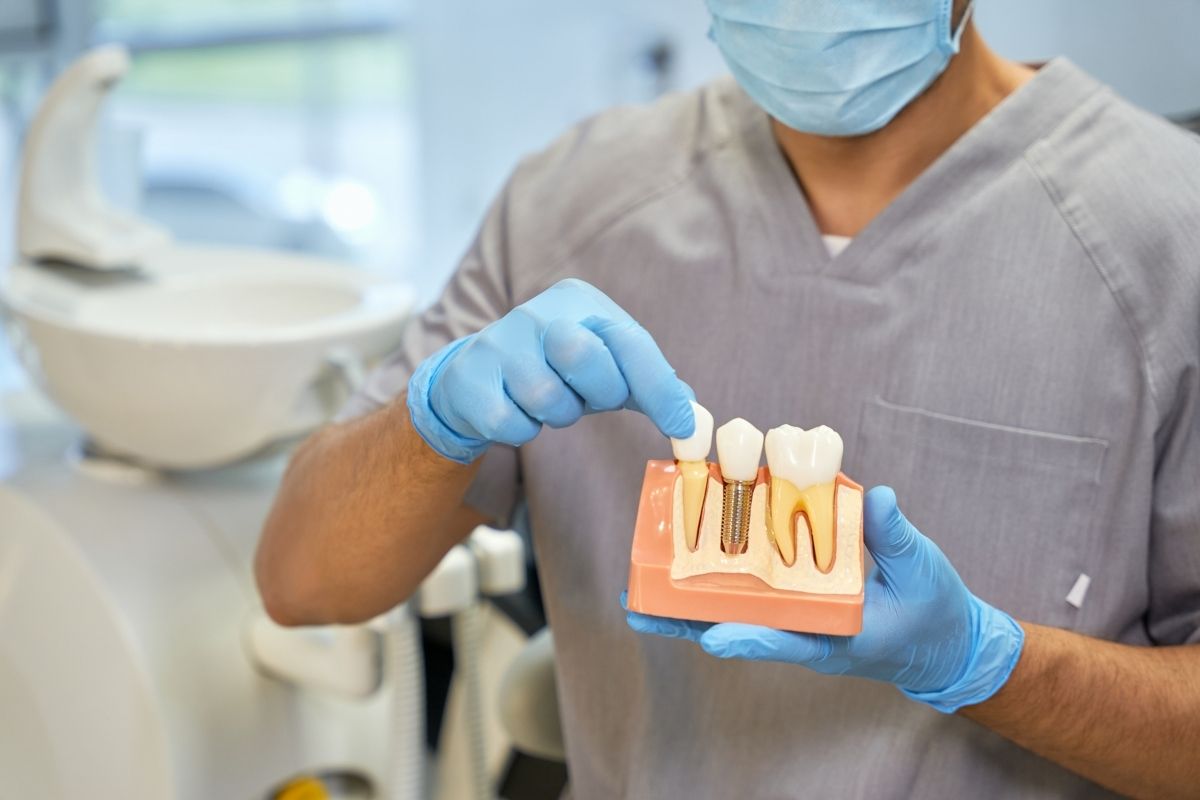
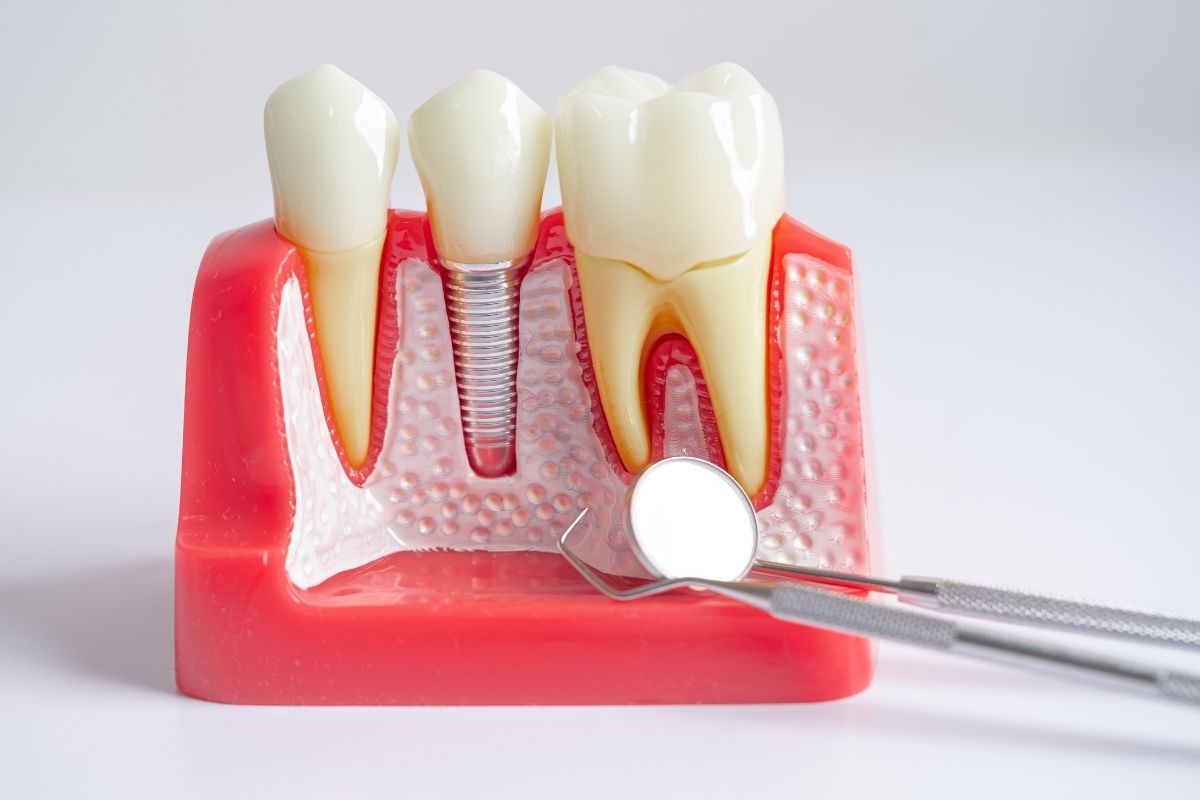
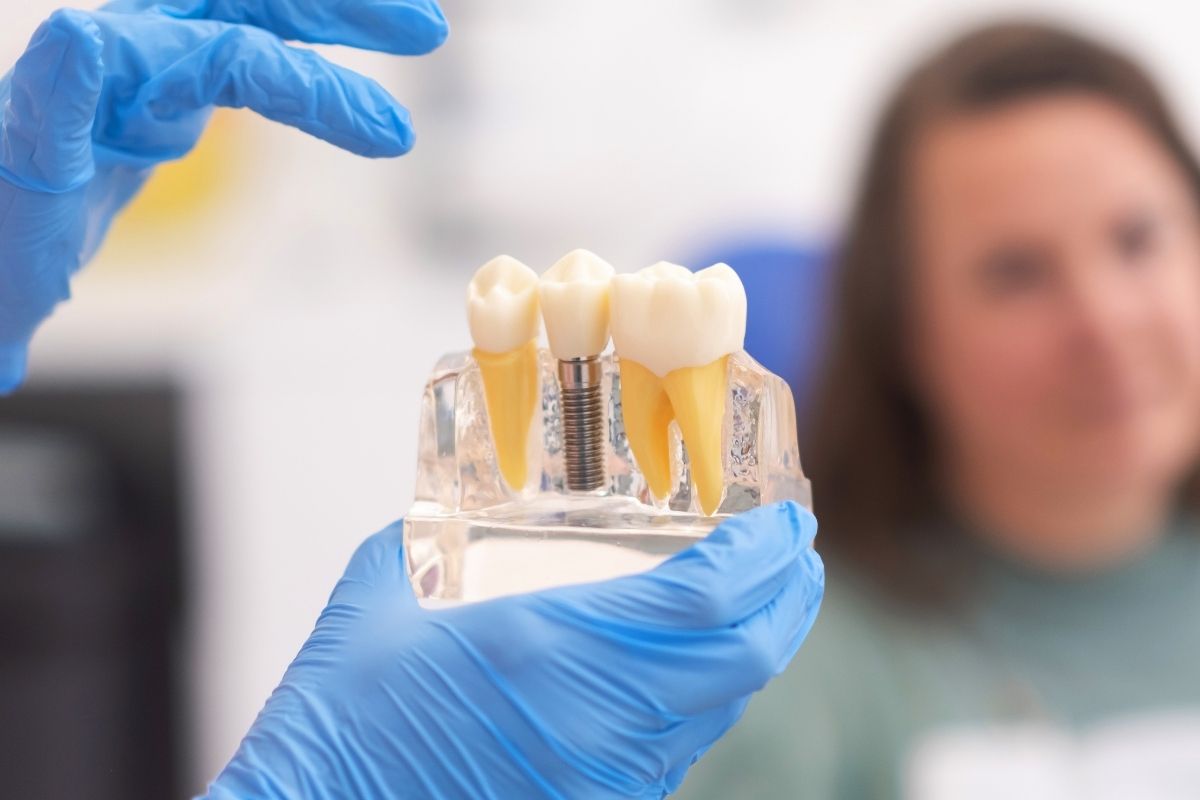
Successful implants rely on a process called osseointegration, where the implant fuses with the jawbone. When bone density is insufficient, achieving a stable foundation becomes more difficult.
Patients with significant bone loss may face challenges such as:
- Limited bone height or width
- Reduced implant stability
- Longer healing periods
- Increased risk of implant complications
Even so, reduced bone volume does not automatically eliminate treatment possibilities. Modern techniques allow many individuals to move forward safely with treatment plans designed around their needs.
Modern Approaches That Help Restore Bone Support
Dental technology has evolved significantly over the years. Today, several procedures may help rebuild or maximize available bone structure.
Bone Grafting Procedures
Bone grafting is commonly recommended when the jaw lacks enough volume for implant placement. During this procedure, grafting material is added to areas where bone has weakened or deteriorated.
Over time, the body integrates the graft material and creates stronger support for future restorations.
Sinus Augmentation
For patients missing upper back teeth, the sinus cavity may leave limited room for implant placement. A sinus lift carefully raises the sinus membrane and creates space for additional bone support.
Guided Bone Regeneration
This technique encourages natural bone growth in targeted areas using protective membranes and regenerative materials.
Alternative Implant Techniques
Some patients may qualify for advanced approaches that use strategic implant positioning to avoid areas with severe bone loss. These solutions can sometimes reduce the need for extensive grafting procedures.
The Importance of Early Evaluation
One of the biggest misconceptions surrounding tooth replacement is the belief that waiting will not affect future treatment options. Unfortunately, delaying care often allows bone deterioration to progress.
An early consultation allows dentists to evaluate:
- Bone density
- Gum health
- Remaining teeth
- Bite alignment
- Overall oral health
Advanced 3D imaging provides a detailed view of the jawbone and helps determine whether additional preparation may be necessary before treatment begins.
Protecting Bone Health After Tooth Loss
Preventing further bone loss is often easier than rebuilding lost bone later. Patients can help protect jaw health through consistent oral care and timely treatment.
Helpful habits include:
- Brushing and flossing daily
- Attending routine dental visits
- Treating gum disease early
- Avoiding tobacco products
- Replacing missing teeth promptly
- Following a balanced diet rich in nutrients that support bone health
Many patients are unaware that dental implants may also help reduce future bone deterioration because they mimic the function of natural tooth roots and stimulate the jaw during chewing.
Questions Patients Often Ask About Bone Loss
Can severe bone loss still be treated?
In many cases, yes. Advanced procedures and customized treatment planning have expanded options for patients who were once told they were not candidates for implant treatment.
Does bone grafting take a long time to heal?
Healing times vary depending on the extent of treatment and the individual patient’s health. Some procedures may require several months before the area is ready for the next step.
Is every patient with bone loss the same?
No. Each patient has unique bone density, oral health conditions, and treatment goals. A personalized evaluation is essential for determining the most appropriate solution.
Can replacing missing teeth help prevent future problems?
Yes. Restoring missing teeth may help preserve jawbone structure, support facial appearance, and improve overall function.
A Personalized Approach Makes a Difference
Every smile is different, and bone loss can affect patients in varying ways. Some individuals may need minor preparatory procedures, while others may qualify for alternative treatment approaches that work with their existing bone structure.
What matters most is having a thorough evaluation and a treatment plan tailored to long-term oral health goals. Modern dentistry continues to create opportunities for patients who once believed they had no options left.
Conclusion
Bone loss can make tooth replacement more complex, but it does not always prevent successful treatment. With careful planning, advanced imaging, and modern restorative techniques, many patients can still restore their smiles and improve oral function. Understanding the causes of bone loss and seeking care early can make a significant difference in long-term outcomes. If you have concerns about missing teeth or jawbone changes, contact Picasso Dental & Orthodontics Mansfield to schedule a consultation and learn about the options available for rebuilding a healthier, more confident smile.