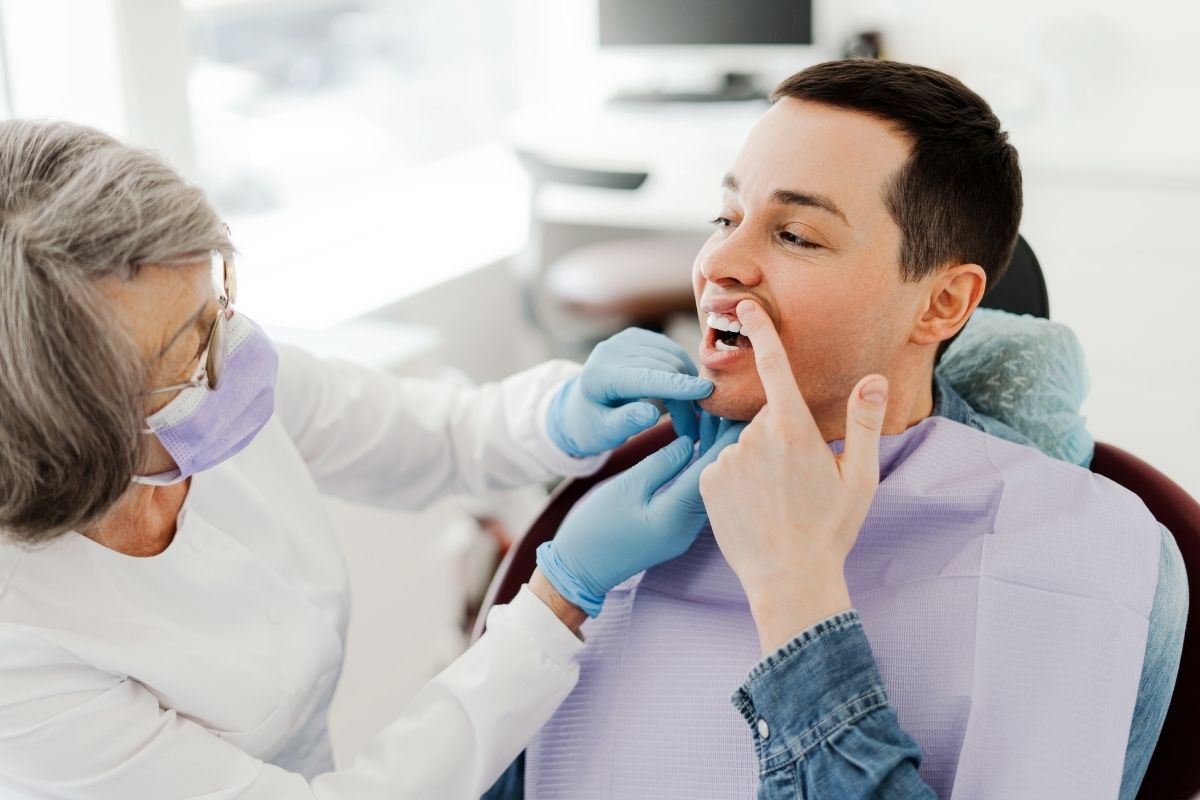
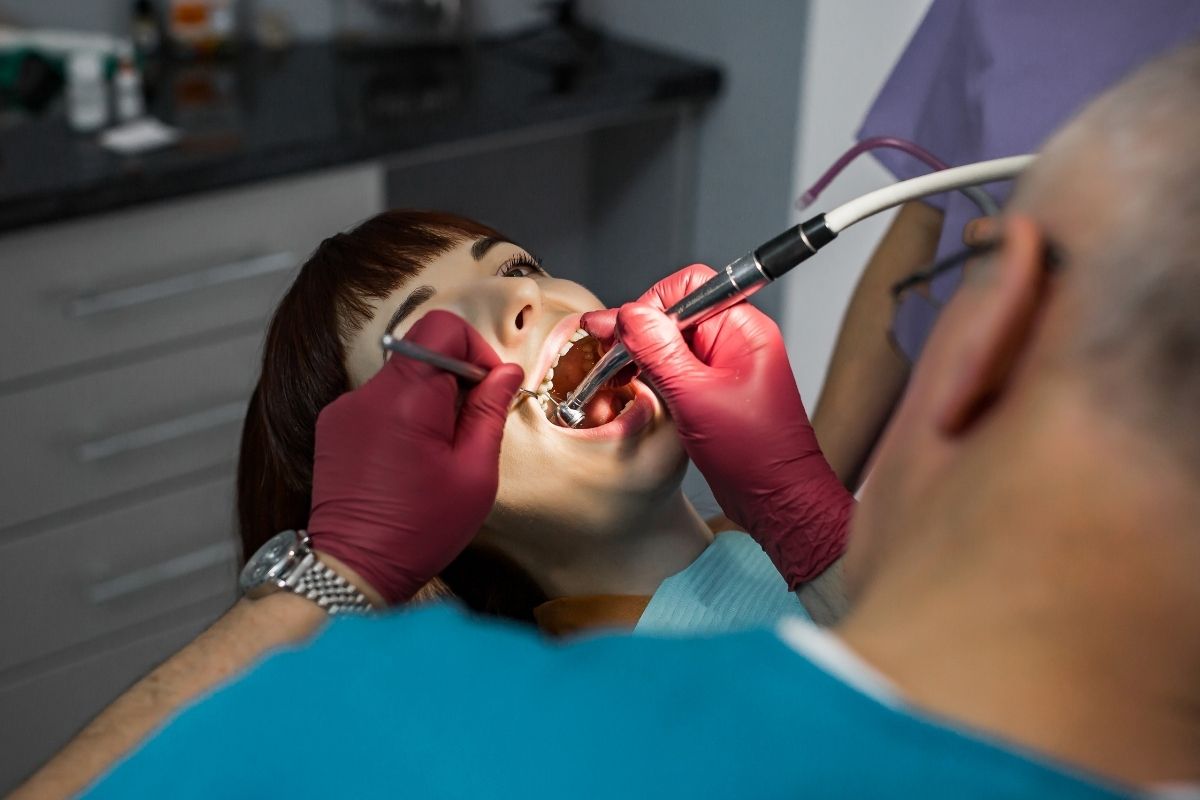
Gum health plays a vital role in protecting your teeth and overall well-being. Many patients in Corsicana and nearby communities like Richland and Kerens don’t realize how quickly gum problems can progress without proper care. If you’ve noticed bleeding gums, bad breath, or tenderness, it may be time to explore gum infection treatment before the condition worsens. Gum disease is common, but it’s also highly manageable, especially when caught early. Understanding the signs, causes, and treatment options can help you take control of your oral health and avoid long-term complications.
Why Gum Health Should Never Be Ignored
Gum disease, also known as periodontal disease, is an infection of the tissues that support your teeth. It typically begins with plaque buildup, a sticky layer of bacteria that forms on teeth due to poor oral hygiene.
When plaque isn’t removed through brushing and flossing, it hardens into tartar. This irritates the gums and leads to inflammation. Over time, untreated gum disease can damage the bone that holds your teeth in place, increasing the risk of tooth loss.
Beyond oral health, research from the American Dental Association shows that gum disease may also be linked to systemic conditions like heart disease and diabetes, making early care even more important.
Early Warning Signs You Shouldn’t Overlook
Recognizing symptoms early can make a major difference in how easily gum disease can be treated. Watch for:
- Red, swollen, or tender gums
- Bleeding when brushing or flossing
- Persistent bad breath
- Gum recession (teeth appearing longer)
- Sensitivity or discomfort while chewing
These signs often indicate the early stage, called gingivitis, which is reversible with proper care.
Understanding How the Condition Progresses
Gum disease develops in stages, and each stage requires a different level of care:
Gingivitis (Early Stage)
This stage involves mild inflammation and bleeding. With consistent oral hygiene and professional cleanings, it can often be reversed.
Periodontitis (Moderate Stage)
At this point, the gums begin to pull away from the teeth, forming pockets that trap bacteria. These pockets deepen over time, leading to more serious infection.
Advanced Periodontitis (Severe Stage)
In the final stage, the supporting bone and tissue are damaged. Teeth may become loose or even fall out, and advanced dental procedures may be necessary.
Effective Ways to Manage Gum Problems Early
The good news is that early intervention can stop gum disease from progressing. Here are some proven approaches:
Improve Daily Oral Hygiene
Consistent at-home care is your first line of defense:
- Brush twice daily using a soft-bristle toothbrush
- Floss once a day to remove plaque between teeth
- Use an antibacterial mouthwash to reduce bacteria
These habits help control plaque buildup and support healthier gums.
Stay Consistent With Dental Visits
Routine dental checkups allow your dentist to detect early signs of gum disease. Professional cleanings remove plaque and tartar that can’t be eliminated at home.
Consider Deep Cleaning When Needed
If gum disease has progressed, your dentist may recommend scaling and root planing, a non-surgical deep cleaning procedure. This treatment removes bacteria below the gumline and smooths tooth roots to help gums reattach.
Use Targeted Medications
In some cases, dentists may prescribe antibiotic gels or rinses to control bacterial infection and promote healing.
When Advanced Care Becomes Necessary
If gum disease is more severe, additional treatments may be required to restore oral health. These may include:
- Pocket reduction procedures to minimize bacterial buildup
- Bone grafting to restore lost bone support
- Soft tissue grafts to repair receding gums
While these treatments are effective, they highlight why early detection is always the better path.
Simple Habits to Protect Your Gums Long-Term
Preventing gum disease is easier than treating it later. Incorporate these habits into your routine:
- Maintain a consistent brushing and flossing schedule
- Eat a balanced diet rich in vitamins
- Avoid tobacco products
- Manage health conditions like diabetes
- Schedule dental checkups every six months
Patients looking for gum disease treatment in Corsicana often find that prevention and early care significantly reduce the need for more complex procedures.
Conclusion
Gum disease may start quietly, but it can lead to serious oral health issues if left untreated. By recognizing early symptoms, practicing good oral hygiene, and seeking timely professional care, you can protect your smile for years to come. If you’re experiencing signs of gum problems or want a professional evaluation, don’t wait; taking action now can prevent more complicated treatments later. Contact Picasso Dental & Orthodontics in Corsicana today to schedule your visit and keep your gums healthy and strong.
Locate our Corsicana office easily on the map and plan your visit with confidence.