Dental implants are widely considered one of the most reliable solutions for replacing missing teeth, offering long-term durability, natural appearance, and improved oral function. However, successful outcomes depend on more than just the procedure itself; your overall health plays a crucial role. Patients exploring implant dentistry services in Corsicana and nearby communities often benefit from understanding the medical and oral factors that can influence healing and long-term success. By identifying potential risks early, your dentist can create a personalized treatment plan that supports both your oral health and your overall well-being.
Why Your Overall Health Matters for Implant Outcomes
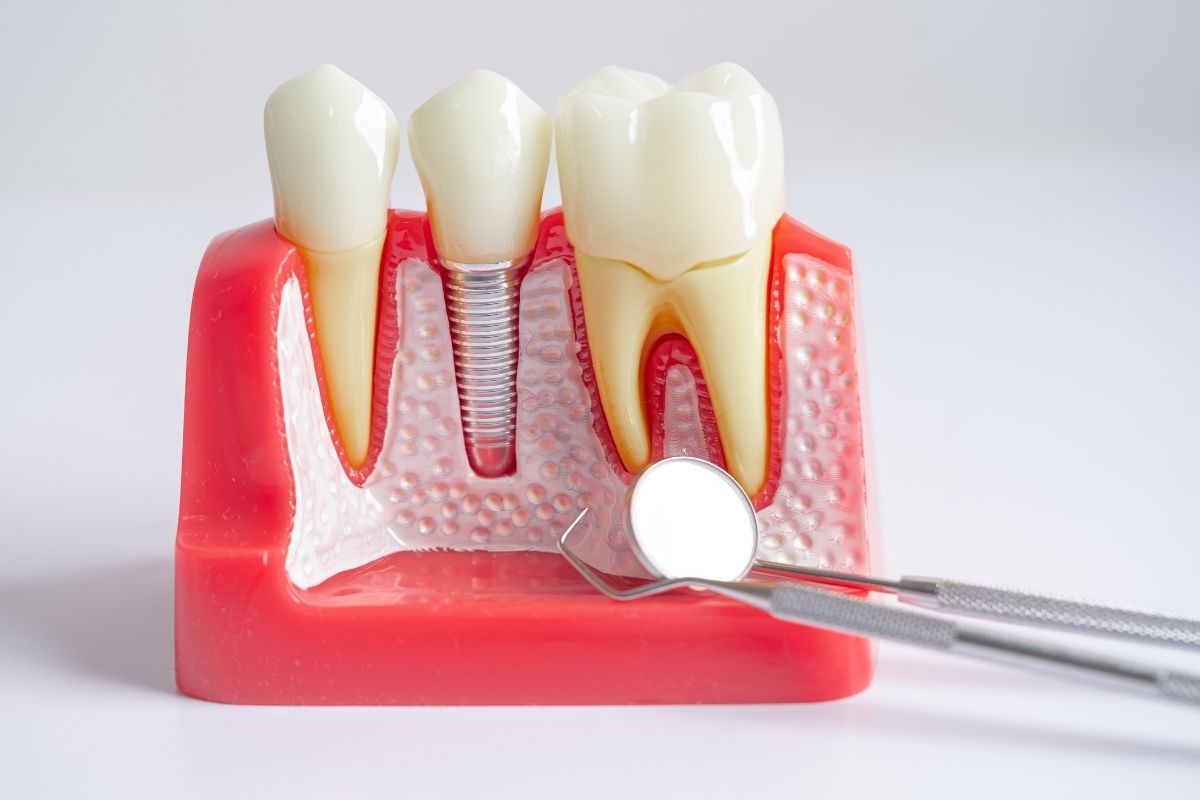
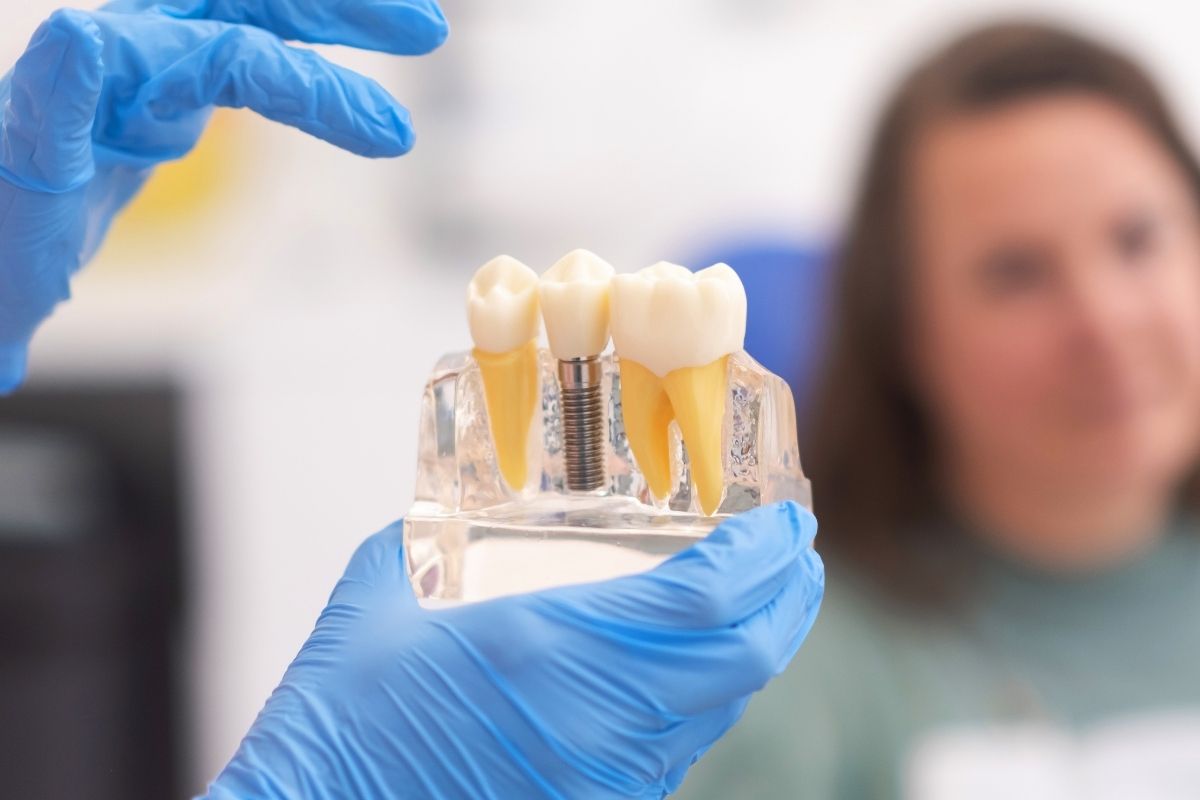
Dental implants rely on a biological process called osseointegration, where the implant fuses with the jawbone to create a stable foundation. For this to happen successfully, your body must be able to heal properly and maintain healthy bone and gum tissue.
Conditions that interfere with healing, reduce bone strength, or increase infection risk can impact how well your implant integrates. The good news is that many of these concerns can be managed with proper planning and professional care.
When Bone Strength Isn’t Sufficient
A strong jawbone is essential for supporting an implant. If bone density is too low, the implant may not stabilize properly. This often happens after prolonged tooth loss or advanced gum disease.
Dentists may recommend bone grafting procedures, which help rebuild and strengthen the jawbone. This step can significantly improve your candidacy and increase the likelihood of long-term success.
The Impact of Gum Health on Healing
Healthy gums are the foundation of a healthy smile, and they’re especially important for implants. Conditions like periodontal disease can damage the tissues and bone that support the implant.
If gum disease is present, it must be treated before moving forward. Addressing inflammation and infection early helps create a stable environment for healing and reduces the risk of complications such as peri-implantitis, a condition that can lead to implant failure.
How Chronic Conditions Can Influence Recovery
Certain medical conditions can slow healing or increase the risk of complications after implant placement. These include:
- Diabetes, especially when not well-controlled
- Autoimmune disorders that affect the body’s defense system
- Osteoporosis, which impacts bone density
Patients with these conditions can still be candidates, but they may require closer monitoring and coordination with their physician. According to the American Dental Association, maintaining overall health is a key factor in successful dental treatments. For more information, visit: https://www.ada.org
The Role of Lifestyle Habits in Implant Success
Everyday habits can significantly affect how well your implant heals and lasts over time.
Tobacco Use
Smoking reduces blood flow and slows healing, making it harder for the implant to integrate with the bone. Patients are often encouraged to quit or reduce smoking before and after treatment.
Oral Hygiene Routine
Consistent brushing, flossing, and preventive dental care are essential. Poor hygiene can lead to bacterial buildup, increasing the risk of infection around the implant.
Teeth Grinding and Excess Pressure
Chronic teeth grinding, also known as bruxism, can place excessive force on implants. Over time, this pressure may weaken the implant or damage the restoration.
Dentists often recommend custom nightguards to protect both natural teeth and implants from unnecessary stress.
Age and Healing Considerations
While dental implants are suitable for many adults, younger patients whose jaws are still developing may need to wait before undergoing treatment.
For older adults, age alone is not typically a barrier. As long as overall health and bone quality are adequate, implants can be a highly effective solution.
Local Considerations for Patients Seeking Care
For individuals researching dental implants in Corsicana, it’s important to choose a provider who evaluates both oral and systemic health. Nearby communities also benefit from comprehensive consultations that consider lifestyle, medical history, and long-term goals.
A personalized approach ensures that any underlying conditions are addressed before treatment begins, helping patients achieve predictable and lasting results.
Conclusion
Dental implants offer a dependable and natural-looking solution for missing teeth, but their success depends on several important health factors. From gum condition and bone density to lifestyle habits and chronic illnesses, each element plays a role in healing and long-term stability. The key is early evaluation and proper planning.
If you’re considering dental implants, the team at Picasso Dental & Orthodontics in Corsicana can guide you through every step from assessing your health to creating a customized treatment plan. Contact us today to schedule your consultation and take the first step toward restoring your smile with confidence.