For those needing to replace teeth, choosing dentures is crucial. Dentures impact not only your smile but also your comfort, confidence, and oral health. With various options available today, making an informed choice is essential.
A denture consultation with your dentist is the first step in selecting dentures that fit your needs and lifestyle. In this guide, we’ll outline practical tips and explain the different types of dentures available to help you make the best choice.
Tips for Choosing the Right Dentures
Consider Your Needs
The first step is to understand your personal dental needs. Do you need partial or full dentures? What kind of activities or foods do you enjoy? For example, if you are active or enjoy various foods, you may want durable, implant-supported dentures. A denture consultation with your dentist can help determine the best fit based on your lifestyle.
Choose Quality Materials
The quality of the materials used in dentures significantly affects their durability, appearance, and comfort. High-quality materials last longer and provide a more natural look. Opt for durable acrylic or porcelain dentures for better performance and a more realistic appearance. Lower-cost materials might be tempting, but they often wear out quickly.
Review Cost Options
While dentures can be an investment, it is vital to review cost options upfront. Different types of dentures vary widely in price. Complete and implant-supported dentures are more expensive than partial dentures but can offer long-term durability benefits. Feel free to discuss pricing and payment plans during your consultation.
Avoid Perfectly Straight Dentures
Natural teeth are not perfectly straight, so dentures with minor imperfections will create a more realistic appearance. Dentures that are too perfect may look artificial and detract from your natural smile.
Different Shade for Top and Bottom
When selecting the color of your dentures, avoid matching the top and bottom teeth to the same shade. Natural teeth often differ slightly in color, so choosing different shades for your dentures will result in a more natural look.
Types of Dentures Available
Conventional Full Dentures
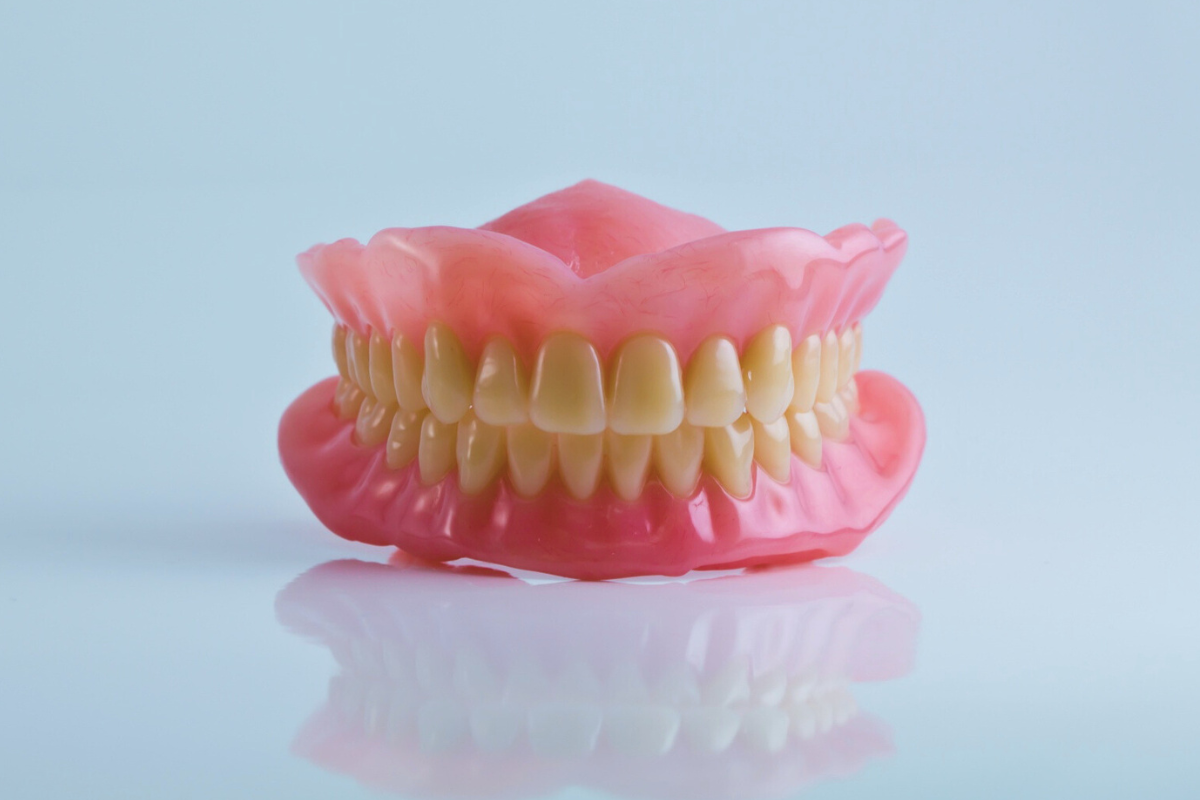
These are complete sets of artificial teeth designed for individuals missing all their teeth in one or both jaws. Conventional dentures rest directly on the gums and are removable, completely replacing all missing teeth. They are typically recommended for patients with significant tooth loss.
Partial Dentures
For those still with some natural teeth, these dentures are an excellent option. Dentures are custom-made to fill gaps and prevent existing teeth from shifting. They can be attached to your natural teeth with clasps or precision attachments, offering more stability than conventional complete dentures.
Implant-Supported Dentures
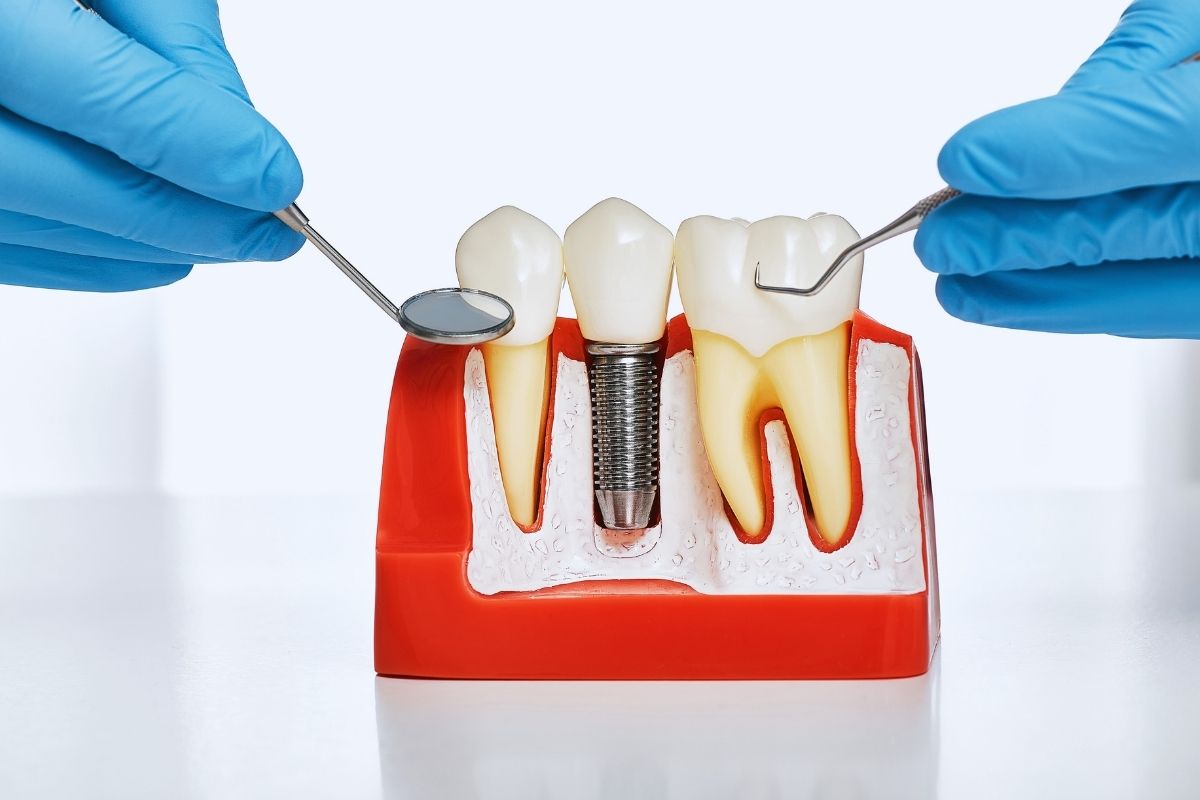
Implant-supported dentures are popular for those looking for a more permanent, secure option. Dental implants that have been surgically inserted into the mandible serve as anchors for these dentures. This offers superior stability and prevents the dentures from slipping while talking or eating. Over time, dental implants also help maintain jawbone density, preventing bone loss.
Immediate Dentures
Immediate dentures are a temporary solution placed right after tooth extraction, so you won’t have to be without teeth during the healing period. Once the gums heal, the dentures can be adjusted or replaced with conventional ones. Immediate dentures allow you to continue daily activities without interruption, although adjustments are often required after healing.
Overdenture
Overdentures are similar to implant-supported dentures but are removable. They fit over a few remaining natural teeth or implants, enhancing stability. Overdentures help preserve any remaining natural teeth, making them an excellent choice for patients with healthy teeth.
How do Dentures Benefit Your Oral Health?
Choosing fitting dentures improves your appearance and supports your oral health. Dentures help:
Prevent tooth shifting: Dentures prevent remaining natural teeth from moving by filling in the gaps.
Maintain jaw structure: Properly fitted dentures support your jaw and help prevent bone loss.
Improve bite and speech: Dentures restore your ability to chew properly and speak clearly.
Dentures can improve your daily life and long-term dental health with regular care and adjustments.
The fitting dentures should align with your dental needs, offer quality materials, and meet your aesthetic and budget preferences. Whether you opt for complete dentures or partials, each type offers unique benefits tailored to oral health needs. Schedule an appointment today to discuss your options with a restorative dentist in Mansfield.
Regular dental care and attention to denture upkeep will ensure their longevity and comfort. To make the best choice, consult your dentist about your preferences, lifestyle, and budget. If you’re considering getting dentures or dental implants, visit Picasso Dental & Orthodontics—Mansfield.