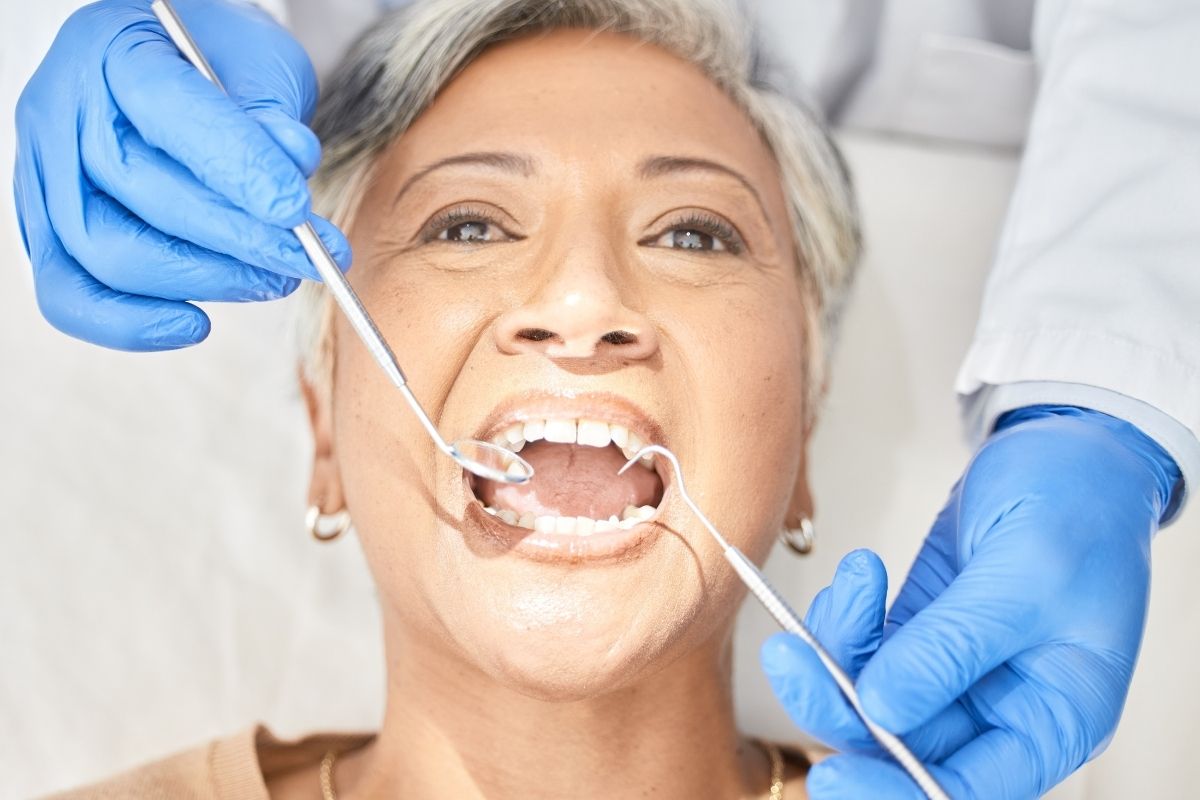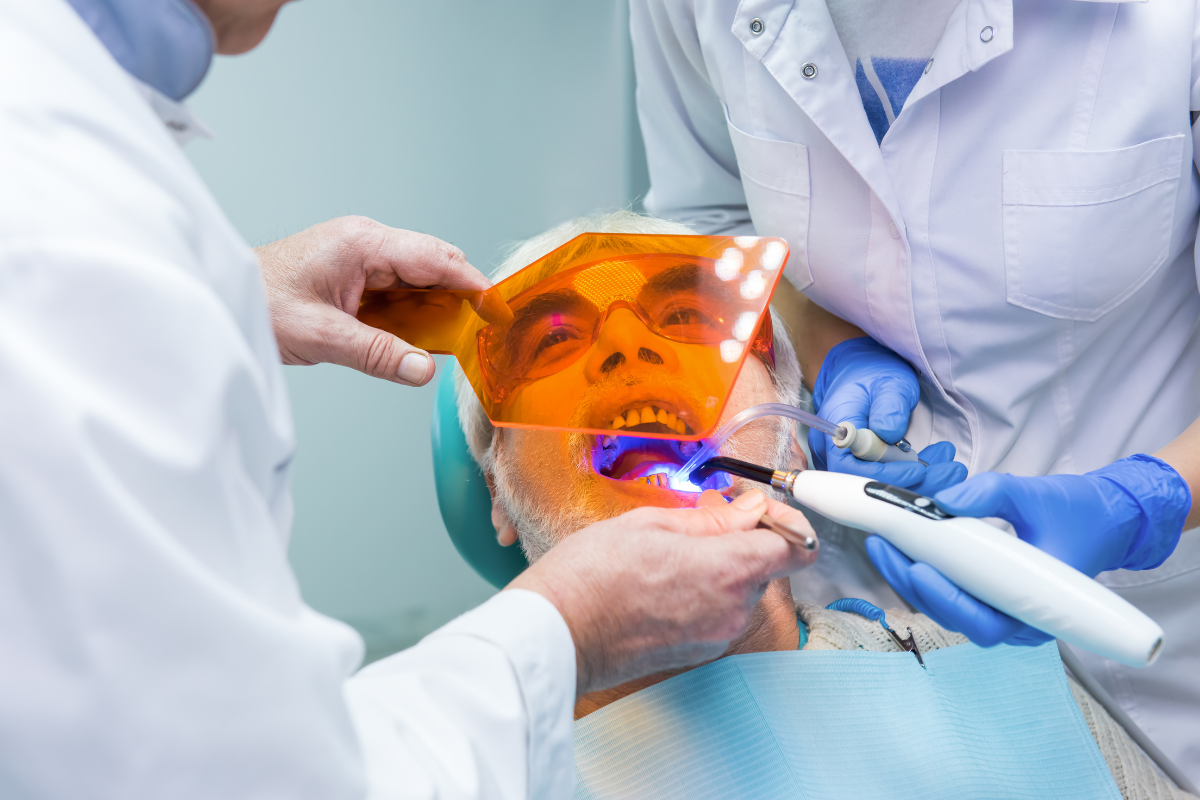
Oral health issues can sometimes go beyond routine dental care, requiring more advanced solutions to protect your smile. For patients in Corsicana and nearby areas like Ennis, Kerens, and Rice, understanding these procedures can make dental decisions easier and less stressful. If you’ve been referred to an oral surgeon in Corsicana, it typically means your condition needs specialized care to prevent further complications. Oral surgery is not just about treating pain; it focuses on preserving your natural teeth, improving function, and helping you maintain a healthy, confident smile for years to come.
When Dental Issues Require a Deeper Approach
While regular dental visits are essential, some conditions affect areas beneath the surface, like the jawbone, tooth roots, or gum tissue. These situations often require more precise treatment.
Oral surgery is commonly recommended for:
- Deep infections that reach the inner tooth
- Impacted or improperly positioned teeth
- Bone loss in the jaw
- Structural concerns affecting the bite
Addressing these problems early can prevent long-term complications and help maintain overall oral health.
Common Oral Surgery Procedures That Help Protect Your Smile
Removing Teeth That Threaten Your Oral Health
Sometimes, a tooth cannot be saved due to severe decay, infection, or lack of space. In such cases, extraction is the best way to protect surrounding teeth and tissues.
For example, impacted wisdom teeth can:
- Causes swelling and discomfort
- Lead to infection
- Push nearby teeth out of alignment
Timely removal helps prevent these issues and supports better long-term dental health.
Replacing Missing Teeth with Long-Term Stability
Missing teeth can impact both your appearance and daily function. Dental implants offer a modern solution by replacing the root and visible portion of a tooth.
This approach helps:
- Restore chewing ability
- Maintain jawbone strength
- Improve the overall look of your smile
Because implants integrate with the bone, they provide a stable and durable option for tooth replacement.
Treating Infection While Preserving Natural Teeth
When decay or injury reaches the inner portion of a tooth, it can lead to significant discomfort. Treatments like root canal therapy or minor surgical procedures can remove infection and save the natural tooth.
Signs that may indicate a deeper issue include:
- Persistent tooth pain
- Sensitivity to hot or cold
- Swelling near the gums
Treating the infection early helps preserve your natural smile and prevents further complications.
Rebuilding Lost Bone for Better Support
Bone loss in the jaw can occur after tooth loss or due to gum disease. Without proper support, it may affect both function and facial appearance.
A bone grafting procedure helps rebuild the jaw by restoring lost bone tissue. This is especially important for:
- Supporting future dental restorations
- Maintaining facial structure
- Preventing further bone deterioration
This step often plays a key role in long-term dental health planning.
Improving Bite and Jaw Function
Jaw alignment is essential for everyday comfort. When the bite is off, it can lead to difficulty chewing, speaking, or even cause chronic discomfort.
Corrective procedures can help:
- Improve bite balance
- Reduce jaw strain
- Enhance facial symmetry
These improvements not only restore function but also contribute to overall comfort and confidence.
How Specialized Care Supports Better Outcomes
In many cases, complex dental issues require the expertise of an Oral surgery specialist. These professionals are trained to handle advanced procedures involving the teeth, gums, and jaw.
Regular visits to a dentist in Corsicana also play an important role in identifying problems early and ensuring timely treatment. Early diagnosis allows for more effective and less invasive solutions whenever possible.
According to the Centers for Disease Control and Prevention, untreated oral health conditions can lead to more serious complications, reinforcing the importance of timely care.
What Recovery Typically Looks Like
Healing after oral surgery is usually straightforward when proper aftercare is followed. Most patients recover within a few days to a couple of weeks, depending on the procedure.
To support healing:
- Stick to soft foods initially
- Keep the area clean
- Avoid strenuous activity
- Follow all post-treatment instructions
These simple steps can help ensure a smooth and comfortable recovery.
Conclusion
Oral surgery plays a crucial role in protecting and restoring your smile. From removing problematic teeth to rebuilding bone and preserving natural teeth, these treatments address issues at their source. Understanding your options can help you feel more confident about your dental care decisions. If you’re experiencing ongoing discomfort or have been advised to consider advanced treatment, taking action early can make all the difference. Contact us today to learn more and take the next step toward a healthier, more confident smile.